by Shelby Hettenbach | Apr 8, 2016 | Global Justice, Peace & Disarmament
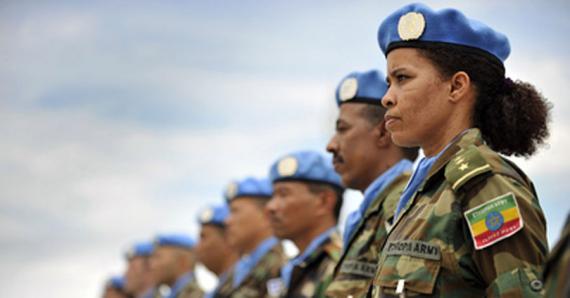
As of February this year, less than 4% of all UN peacekeepers are women. Currently there are 105,314 troops, police and military personnel that encompass the UN peacekeeping force, and only 4,268 of that total are women. Why are there so few female peacekeepers?
Perhaps the most reasonable and logical explanation is,
Peacekeepers are soldiers from countries that commit troops to the UN mission, so it is ultimately the discretion of the member countries—and the percentage of women in national armies—that filter up to the mission.”
Women are not trained in military professions as frequently as men in most countries in the world. Therefore, each country is producing less qualified women than men; obviously, this affects the potential pool of troops. Another (somewhat sexist) possibility that has been argued is that women are simply not willing to work in the rough conditions faced by UN peacekeepers.
Regardless of the reason, it is clear that there is a problem. The UN must increase the number of women in their peacekeeping forces if they hope to succeed.
Female peacekeepers are necessary to help and empower women in war-torn countries. Female UN peacekeepers become role models to women in local environments. They inspire women and girls in heavily male-dominated societies to fight for their own rights and become stronger, more equal voices in their own communities. By having a majority male peacekeeping force, the UN sends a message that males are the more powerful sex, only furthering gender inequality throughout the world. The only way to send the message that women are equal is to make women equal.
Aside from the symbolic message that increasing the number of women in the UN sends, female peacekeepers also serve a very practical role that male peacekeepers cannot. Irena Dzisiewska, a lieutenant colonel in the British army said, “For a lot of women, or even men, who have suffered sexual violence, history has shown us they only want to speak to women.”
Major Shikha Mahrotra, an Indian officer with the UN Organisation Stabilisation Mission in the Democratic Republic of the Congo, said,
Women, children, the elderly—they will talk to us. With women they can open up easily. And being a women you can hear what they say, but also understand what they are not saying, which is sometimes more important.”
She believes that women have the ability to be inherently more empathetic than their male counterparts.
Fitting with this pattern, it has been found that female peacekeepers tend to be more effective than men in using persuasion and communication to come to agreements. Women are also inherently less aggressive; if they can avoid bloodshed they will—a very positive quality for a peacekeeper.
This is not to say that the UN should replace every male peacekeeper with a female version. Men and women each contribute a different skill set to the position. In order to maximize its effectiveness, the UN must make the effort to bring the sexes to a more equal balance.
Next month, CGS will host a Webinar focusing on female peacekeepers. Stay tuned to hear from some very influential women and learn more about women’s’ roles in peacekeeping!
by Emily Ervin | Mar 31, 2016 | Global Justice, Human Rights
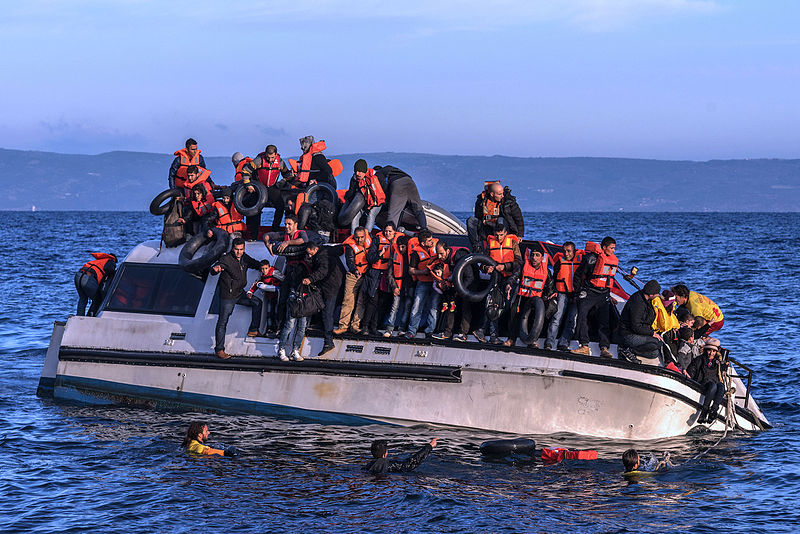
Over the past few weeks, the European Union (EU) has been itching to sign a deal with Turkey in order to move towards resolving Europe’s refugee crisis. Turkey has recently agreed to a deal, promising to take any refugees who arrive in Greece starting on March 20th, 2016. The deal was made with the hope that the Aegean Sea smuggling route into Europe will close as refugees are being relocated to Turkey.
The European Union promised Turkey funding, an estimated €3 billion, as well as visa-free travel into Europe in return for claiming the influx of refugees.
While the EU is thrilled to slow down the amount of illegal migration occurring at its borders, human rights organizations are rejecting the deal. Amnesty International referred to it as a “historic blow to human rights,” claiming the European Union is determined to turn its back on the growing global refugee crisis. While Greece has been instructed to individually assess each refugee crossing from Turkey into Greece, Amnesty fears that Greece lacks the capacity to do so and instead will send massive numbers of refugees to Turkey.
Medical charities such as Doctors Without Borders join Amnesty International and the UN refugee agency in criticizing the deal on ethical grounds. Doctors Without Borders has withdrawn some assistance, stating they “will not allow assistance to be instrumentalized for a mass expulsion operation and refuse to be a part of the system which has no regard for humanitarian protection needs of asylum seekers and migrants.”
These organizations are skeptical of the safety of the 2.7 million Syrian refugees now stuck on Turkish soil. Turkey has previously broken international law by sending refugees back to Syria; with an increasing number of refugees soon to be pouring in from Europe, there is concern for their security within the country. Turkey fails to provide the political will and capacity necessary to protect the human rights of refugees. Most refugees will be left in poverty, as access to employment is restricted to illegal work, which is far below the minimum wage. Without the ability to seek employment, the refugees will become a permanent burden on Turkey for securing all basic needs, such as shelter, food and water. This dependency may only prolong the crisis for years to come.
The deal is intended to reduce the incentive for Syrians to cross the Aegean Sea into Greece, encouraging the refugees to instead stay in Turkish refugee camps. Under the deal, the European Union has agreed to resettle one Syrian refugee for every Syrian sent back.
However, it is unlikely that this deal will cut off all migration into Europe. In 2016 alone, nearly half a million refugees have arrived at the EU’s southern border. At least 3,000 refugees have died in the Aegean Sea while attempting to reach Europe. As the route through the Aegean Sea closes, even more dangerous routes will open, potentially between Turkey and Bulgaria, Morocco and Spain, or Libya and Italy. This past weekend a large group of refugees attempted to reach Europe through the Strait of Sicily. The routes across the Mediterranean Sea are extremely risky and may claim ever more lives. Refugees are desperate for a better life, and the closure of one route will almost certainly lead to the opening of another.
Over the next several months, the effects of the EU’s deal with Turkey will become clear. Until then, human rights groups will be monitoring the consequences of new migration routes into Europe, as well as the efficiency of Greece’s process of evaluating each refugee and Turkey’s capacity to accept refugee flows. As the deal pushes the crisis away from Europe, it is possible that it will only make the refugee situation even more dire than before.
by Shelby Hettenbach | Mar 25, 2016 | Global Justice
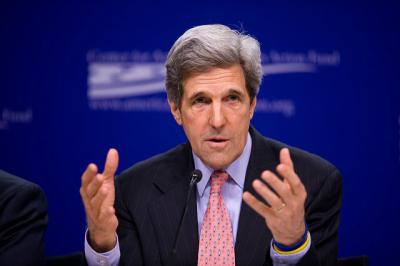
Secretary of State John Kerry announced on Thursday that ISIS (also known as Daesh) has been committing genocide against religious minorities in the Middle East. This announcement marks the second time in United States history that the executive branch has used the term “genocide” in reference to a current conflict, the first instance being Darfur in 2004.
The announcement was made after the House of Representatives passed a nonbinding resolution by a unanimous vote condemning ISIS atrocities as genocide. The statement was made in response to a deadline Congress set last year for the Obama Administration to determine whether the targeting of minority religious and ethnic groups by ISIS could be defined as genocide.
During a news conference at the State Department, Kerry said, “My purpose here today is to assert in my judgment, Daesh is responsible for genocide against groups in areas under its control, including Yazidis, Christians and Shiite Muslims.” He went on to detail the atrocities committed against each of the aforementioned groups, the entirety of which can be seen here. After listing the crimes he added,
Naming these crimes is important. But what is essential is to stop them. That will require unity in this country and within the countries directly involved, and the determination to act against genocide, against ethnic cleansing, against the other crimes against humanity must be pronounced among decent people all across the globe.”
He continued by defining genocide and explaining why ISIS fit the criteria. “One element of genocide is the intent to destroy an ethnic or religious group, in whole or in part,” Kerry said. “The fact is that Daesh kills Christians because they are Christians; Yezidis because they are Yezidis; Shia because they are Shia… Its entire worldview is based on eliminating those who do not subscribe to its perverse ideology.”
He went on to stress the importance of rightfully labeling the crimes of ISIS as genocide: “We must recognize what Daesh is doing to its victims.” While claiming to be “neither judge, nor prosecutor, nor jury,” Kerry said that the distinction was necessary to reassure ISIS victims that the U.S. “recognizes and confirms the despicable nature of the crimes that have been committed against them.” The announcement stands as validation of those victimized by the terrorist group.
However, the United States government is far from the first group to condemn the actions of ISIS as genocide. Over the past year, a growing number of groups and individuals have determined that Daesh’s actions have been genocidal. United Nations human rights investigators accused the group of genocide and war crimes last May, citing evidence that the group’s fighters had sought to wipe out the Yazidis, a largely Kurdish group that practices an ancient religious faith in Iraq. Months later, the United States Holocaust Memorial Museum, a leader in genocide research, said in a report that the crimes against Yazidis constituted genocide.
After this announcement, the key question that remains is whether this statement will force the United States government into taking action to stop the genocide. State Department spokesman Mark Toner previously had said a genocide determination in ISIS’s case “would not necessarily result in any particular legal obligation for the United States.” A reporter from the New York Times argued that the statement is “unlikely to change American policy.”
However, a statement by John Kerry near the end of his speech shines some hope on the possibility for action from the United States:
So we must bear in mind, after all, that the best response to genocide is a reaffirmation of the fundamental right to survive of every group targeted for destruction. What Daesh wants to erase, we must preserve. That requires defeating Daesh, but it also demands the rejection of bigotry and discrimination – those things that facilitated its rise in the first place.”
With this in mind, please help us at Citizens for Global Solutions impact a positive change and force action against ISIS’s genocide in the Middle East.
by Emily Ervin | Mar 17, 2016 | Global Justice, Human Rights
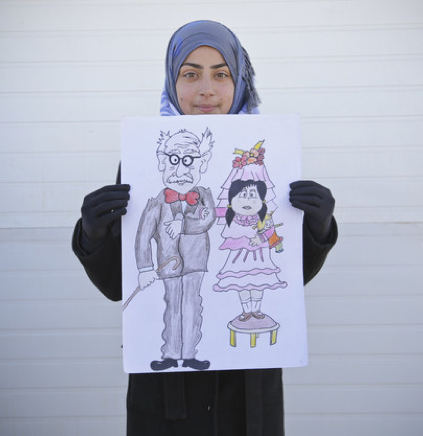
Child marriage is a global problem that spans across countries, cultures, religions, and ethnicities. Today, 1 in every 3 girls worldwide is said to be married before the age of 18, which can lead to physical, emotional, and psychological abuse. In order to end the practice of child marriages, the international community must work hand in hand within the various societies to provide the policies and programs necessary to achieve this goal.
The causes of child marriage often stem from tradition and gender norms within the community. However, child marriages can also be a result of severe poverty; the dowry, or “price of the bride,” may be needed for a family’s survival. Even security plays a role in the decision, as parents may believe their daughter will be safer in a marriage than unwed.
For example, five years into a conflict, child marriage has become an ever-growing problem for the girls in Syria, as well as Syrian refugees in Jordan, Lebanon, Iraq, and Egypt. In a conflict as devastating as Syria’s, families often must resort to the desperate response of marrying off their daughters to older men. In Jordan’s refugee communities, child marriage rates have risen 20% from 2012 to 2014.
The impacts of child marriages can be detrimental to the development of girls. Child brides are less likely to have access to education and healthcare, are in danger of physical and sexual abuse by their spouse, and have a greater risk of experiencing life-threatening complications during childbirth.
Plenty of international organizations are trying to end child marriage. The organization Girls Not Brides has an extensive role in leading this movement by bringing over 500 civil society organizations worldwide together for change. The United Nations For Population Activities (UNFPA) sponsors a program called Safe Spaces. Their goal is to empower girls through education on sexual and reproductive health, self-esteem, and their rights as young women. According to UNFPA, when girls leave school they are more at-risk for becoming child brides, and marriage often ends their chance of continuing an education. This leaves girls who are poor, uneducated, and who live in rural areas most vulnerable to marrying before reaching the age of 18.
Currently, the Sustainable Development Goals (SDGs) aim for universal education, sexual and reproductive health rights, and reduction of poverty and hunger. However, these goals are all unreachable without obtaining SDG 5.3, which aims for gender equality by “eliminating all harmful practices, such as child, early and forced marriages.” Child brides often miss out on the educational and economic opportunities SDGs seek to provide and therefore remain in the cycle of poverty. Without eliminating child marriages, girls will continue to fall behind boys in equal access to education and other services.
In order to reach the goal of ending child marriages, the international community needs to push further in combatting its root causes. International and local organizations should focus on expanding Safe Space programs in order to help young girls educate themselves and become leaders of change in their own communities. Communities must recognize that child marriages bring many dangers to young girls and should be discouraged. Finally, policies protecting women’s rights–such as granting women the right to an education or the right to choose when and whom they marry–must be enforced.
There is no time to lose in combatting child marriage. If current trends continue, there will be 142 million girls married in the next decade. The United States can begin by ratifying the Convention on the Rights of the Child and joining the global community in defending children’s rights.
by Jennifer Keck | Mar 16, 2016 | Global Justice, News, Peace & Disarmament
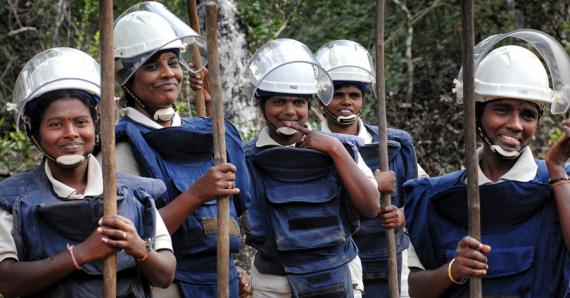
On March 3, Sri Lanka became the 163rd state to agree to the Ottawa Treaty, a UN anti-personnel mine ban convention. It’s an important step toward recovery from the country’s 26-year long civil war, a conflict that claimed upwards of 80,000 lives, displaced an estimated 280,000, and left the Northern and Eastern regions covered in landmines.
Weapon of Choice in the Civil War
The Sri Lankan Civil War ended in 2009, but unexploded mines and ordinances (UXOs) made returning home a risky proposition. Both the rebel Liberation Tigers of Tamil Eelam (LTTE) and the Sri Lankan military relied heavily on landmines, scattering thousands undetonated devices across conflict areas.
Demining efforts, in turn, became a vital part of restoring Sri Lankan civil society. But progress was slow due to random placement, lack of maps on their locations, and too few flair machines, which safely detonate landmines.
Signing the Ottawa Treaty
By joining the convention, Sri Lanka has agreed to destroy all stockpiled anti-personnel mines it owns and/or controls under its jurisdiction within four years. The country must also continue its efforts to clear the devices and assist victims. (Over 21,000 people were killed or injured by landmines during the war, according to Landmine Monitor.)
The Sri Lankan Ambassador to the UN in Geneva, H.E. Ravinatha Pandukabhaya Aryasinha, said in his speech at the First International Pledging Conference for the implementation of the Mine Ban Treaty that to date, 64 square kilometers (24.7 square miles) of mine fields remain contaminated. NGOs such as The Halo Trust, Mines Advisory Group, and DASH have already helped remove thousands of landmines.
The country will officially launch its plan to be “mine threat free” by 2020 on April 4, the International Day of Mine Awareness and Assistance in Mine Action.
“After years of campaigning, I am delighted that Sri Lanka has decided to join the international community in ridding the world of landmines. Accession to the Mine Ban Treaty reconnects Sri Lanka to the world map of disarmament,” said Vidya Abhayagunawardena, Coordinator of the Sri Lankan Campaign to Ban Landmines.
Disarmament and The Future of Sri Lanka
Now that Sri Lanka has signed the treaty, India, Nepal, and Pakistan are the only countries in Southeast Asia to remain outside the ban. The country has also announced that it started consultations in order to join Protocol V of the Convention on Conventional Weapons.
However, banning landmines is only a start if the nation wants to maintain a lasting peace. The Sri Lankan government must reintegrate returning refugees and internally displaced persons into society by giving them access to political representation in addition to housing, health care, education, and employment opportunities.
Despite progress toward disarmament, the country still has a long, slow recovery process ahead.
by Jennifer Welden | Mar 15, 2016 | Global Justice, Human Rights
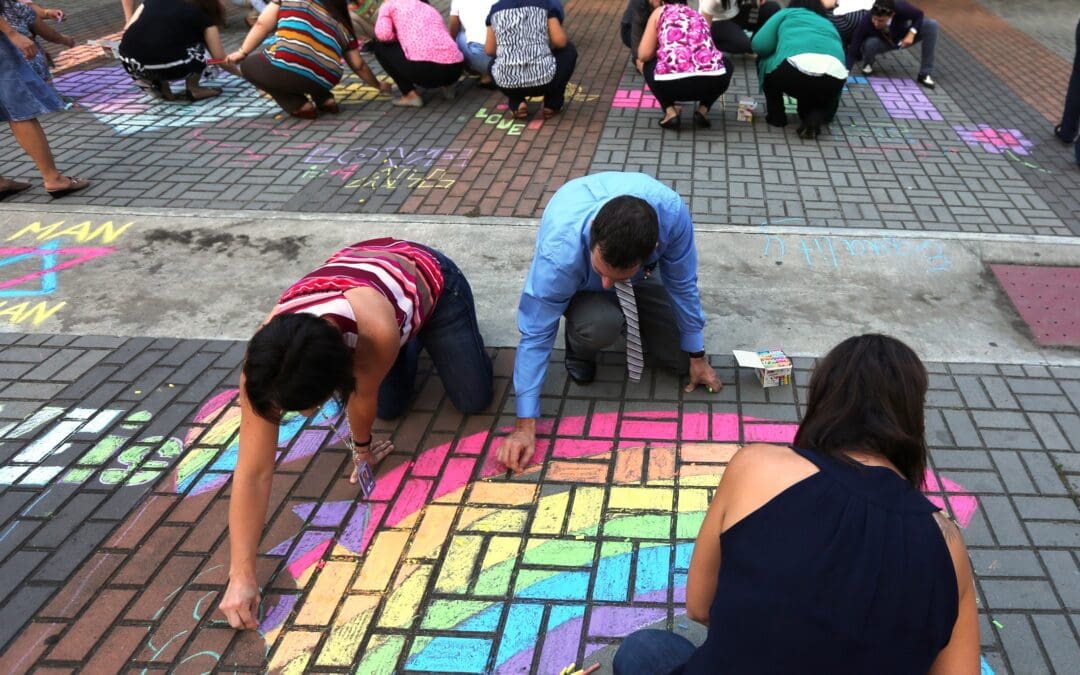
Last week, the Chinese government “banned all depictions of gay people on television, as part of a cultural crackdown on ‘vulgar, immoral and unhealthy content,’” one of many recent acts of censorship following the election of Xi Jinping in 2012.
Unfortunately, this is just one of many recent examples of cultural censorship by East Asian governments. In Indonesia, the government ordered “instant messaging providers…[to] remove gay emoji and stickers from their apps”; in Singapore, President Obama’s positive remarks about the LGBT community on Ellen were censored from public view.
Yet homosexuality is no longer illegal in China, nor in many of these other countries where this kind of discrimination and censorship is occurring. It is clear, then, that while the world may be trending toward legal equality, there is still much progress to be made culturally. So much of acceptance, particularly for children, comes not only from freedom, but also from representation. As one article notes:
Censoring certain content in the media presents major problems for Chinese youth and is an ultimately misguided attempt at influencing behavior. For example, the media can serve to help non-heterosexual young adults better understand their own bodies and know that what they’re experiencing is normal instead of having little to no instruction in this area.
Television also serves educational purposes and can provide a healthy template on which young gay couples can model their own relationships…What is healthier for a society: Forbidding the portrayal of activities that leaves adolescents and young adults ashamed and directionless or giving them an easily accessible way to understand both themselves and different lifestyles?
Often these countries try to justify their actions as being “sensitive to community values,” but which community are they serving? In the same article on Singapore, the author notes that when it came to hosting “openly gay American performer Adam Lambert,” the country was greatly divided:
Two fiercely competing petitions were put up online. The first accused Lambert of promoting a ‘highly sexualised lifestyle and LGBT rights,’ threatening ‘mainstream Singaporean values.’ The other, a reaction to the first, called for more ‘diverse inclusive points of view.’ Both petitions racked up tens of thousands of signatures in days. Lambert’s concert in Singapore went ahead all the same, without a hitch.
We see this same divide over “community values” even in more progressive countries like the U.S. A few months ago, ABC rejected a promo for Carol (a movie about a lesbian relationship), requesting that the trailer—which features “non-explicit nudity and the suggestion of sexual intercourse”—provide “more coverage” on the main characters. Considering the vast number of trailers portraying heteronormative couples that feature “non-explicit nudity” and implications of sexual intercourse, it is curious (let alone frustrating) to think whom these acts of censorship really benefit.
Ultimately, there is still much progress to be made around the world when it comes to just giving LGBTQ individuals basic legal rights; but these cases of censorship show that laws can become meaningless in the face of cultural exclusion. Achieving true equality is both political and cultural, something that takes time, support, but also exposure: how can the world change when the imaginings of it remain the same? We all have the right to feel that our experiences are not just allowed, but also shared. I hope one day to live in a world where that right is fully reached.