
Originally published on the CGS blog on March 17, 2016.
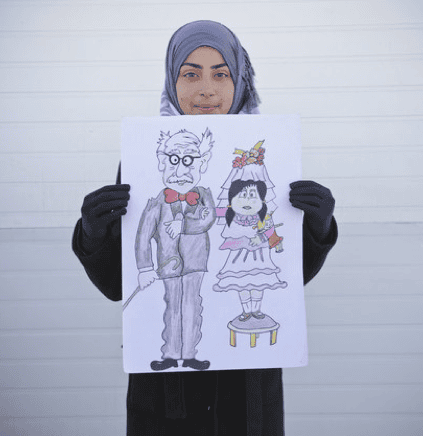
Child marriage is a global problem that spans across countries, cultures, religions, and ethnicities. Today, 1 in every 3 girls worldwide is said to be married before the age of 18, which can lead to physical, emotional, and psychological abuse. In order to end the practice of child marriages, the international community must work hand in hand within the various societies to provide the policies and programs necessary to achieve this goal.
The causes of child marriage often stem from tradition and gender norms within the community. However, child marriages can also be a result of severe poverty; the dowry, or “price of the bride,” may be needed for a family’s survival. Even security plays a role in the decision, as parents may believe their daughter will be safer in a marriage than unwed.
For example, five years into a conflict, child marriage has become an ever-growing problem for the girls in Syria, as well as Syrian refugees in Jordan, Lebanon, Iraq, and Egypt. In a conflict as devastating as Syria’s, families often must resort to the desperate response of marrying off their daughters to older men. In Jordan’s refugee communities, child marriage rates have risen 20% from 2012 to 2014.
The impacts of child marriages can be detrimental to the development of girls. Child brides are less likely to have access to education and healthcare, are in danger of physical and sexual abuse by their spouse, and have a greater risk of experiencing life-threatening complications during childbirth.
Plenty of international organizations are trying to end child marriage. The organization Girls Not Brides has an extensive role in leading this movement by bringing over 500 civil society organizations worldwide together for change. The United Nations For Population Activities (UNFPA) sponsors a program called Safe Spaces. Their goal is to empower girls through education on sexual and reproductive health, self-esteem, and their rights as young women. According to UNFPA, when girls leave school they are more at-risk for becoming child brides, and marriage often ends their chance of continuing an education. This leaves girls who are poor, uneducated, and who live in rural areas most vulnerable to marrying before reaching the age of 18.
Currently, the Sustainable Development Goals (SDGs) aim for universal education, sexual and reproductive health rights, and reduction of poverty and hunger. However, these goals are all unreachable without obtaining SDG 5.3, which aims for gender equality by “eliminating all harmful practices, such as child, early and forced marriages.” Child brides often miss out on the educational and economic opportunities SDGs seek to provide and therefore remain in the cycle of poverty. Without eliminating child marriages, girls will continue to fall behind boys in equal access to education and other services.
In order to reach the goal of ending child marriages, the international community needs to push further in combatting its root causes. International and local organizations should focus on expanding Safe Space programs in order to help young girls educate themselves and become leaders of change in their own communities. Communities must recognize that child marriages bring many dangers to young girls and should be discouraged. Finally, policies protecting women’s rights–such as granting women the right to an education or the right to choose when and whom they marry–must be enforced.
There is no time to lose in combatting child marriage. If current trends continue, there will be 142 million girls married in the next decade. The United States can begin by ratifying the Convention on the Rights of the Child and joining the global community in defending children’s rights.


