
Originally published on the CGS blog on July 30, 2013.
All throughout this summer, I have had the opportunity to speak with a variety of top U.S. climate scientists and write up some of their comments in a series of blog posts for you all to read. I have really enjoyed the experience and have learned more than I could have anticipated from these experts, who each shed light on the issue of climate change from their own unique perspective.
The purpose of this series was to gain insight from climate experts on which climate related stories have not been getting adequate coverage by the media. GlobalSolutions.org has been running our #CoverClimate campaign this summer in efforts to call on the broadcast media to do a better job of this, and these posts have been one component of that campaign.
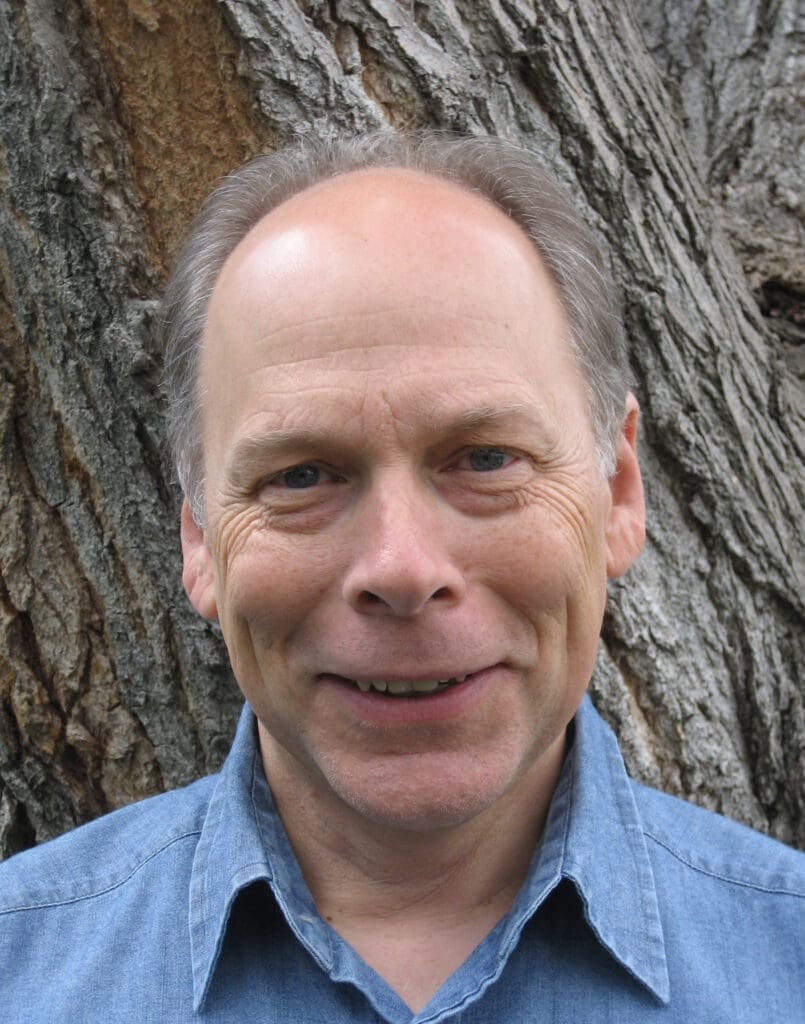
The final interview I conducted was with Dr. Jeffrey Kiehl. Dr. Kiehl is the Section Head and Senior Scientist at the University Corporation for Atmospheric Research’s Climate Change Research Section. His personal research interests include Earth’s changing hydrological cycle, ways to effectively communicate climate change to the public, and the links between climate science and psychology. His additional interest and experience in psychology brought an intriguing new angle to his answers that made this interview particularly interesting.
Here are some of the key excerpts from my conversation with Dr. Kiehl:
GS.org: What are some specific climate related topics that you feel haven’t gotten adequate coverage recently?
Dr. Kiehl: [The story of why the scientific community is certain humans have caused climate change is important to tell.] That’s one question that often comes up: “Well, how do you know? How can you be so certain?” So an article or a series of articles clearly defining … how we are so certain about it would be I think a very powerful message. And hopefully would be written in a way that involved personal discoveries of people. …Because people are always interested in how a discovery is made. Was it serendipitous? How long did it take?
…I think the second one is … how we can use Earth’s past to understand its future. And what are the differences and what are the similarities? …And we’ve learned a lot by looking at Earth’s past and if we continue business as usual then there’s going to be about 800 to 1000 parts per million of CO2 [in the atmosphere] in 90 years. Well, when was the last time there was that much carbon dioxide? Chemistry tells us it was about 40 million years. So in a matter of 90 years we’re going to be putting Earth’s climate back to a state that it hasn’t been in for the past 30-40 million years…. That’s what we’re doing. That’s where we’re headed.
…The other one that is getting some attention but I think it’s not getting enough is the carbon in the arctic. I’ve seen stories slowly coming out about observations of increased methane in the arctic atmosphere and there’s certainly an indication that the past is telling us that the temperatures have destabilized, and if it gets warm enough, it’s a huge amplifier on global warming. So that’s a potential… tipping point for the Earth’s climate.
…Another issue, [which is] related to …policy, is … the one agency that’s talked about the looming national security issue [climate change poses] is the Department of Defense. The DOD doesn’t question [the existence of climate change. It] recognizes climate change is a serious issue for stability, political stability and a potential threat to the security of the United States. I’ve never seen an extensive article written on that.
…I think these stories have tremendous power to them and would be interesting to the public and yet, they get no attention or very little.
GS.org:What kind of climate-related news do you see on the horizon that you feel the media should cover?
Dr. Kiehl: [A] story that [has huge implications for our future is] ocean acidification. I do not believe the public understands the scale of ocean acidification-why it can happen, [the fact that] we’re certain [it is happening…This has] tremendous implications for the biosphere of the ocean, the ecosystem. And if there’s ever a story that needs to get out there and be told, that would be the way that the ocean is becoming more acidic, that this has happened in the past. There are ramifications… that need to be taken into serious consideration.
…There’s another one, and that’s health issues-the implications that climate change can have on both physical and mental health… We’re starting to move millions of people because of sea level rise. …Towns and cities are being destroyed by severe storms. That has a huge impact on people’s ability to deal with trauma. … You look at post-Katrina New Orleans. There was a significant increase in reported cases of depression and the mental health facilities in that area were saturated. They just couldn’t deal with all the people coming in, suffering post trauma.
GS.org: Ninety seven percent of scientists agree that humans are major contributors to climate change. What about the other 3%? Why don’t they agree?
Dr. Kiehl: …There are [several] …explanations for the 3%. [One] is something I’m deeply interested in [as it relates to] the psychology of this issue. I think what we tend to do as a species is to try to reduce anxiety associated with perceived loss.
So, for example, if I were to admit that climate change is real and that humans are the major cause of it [that] would then in turn imply that we need to mitigate the use of fossil fuels. If a deeper held belief is one of personal independent choice-if that’s a deeply held principle in… how I define my sense of self-then to admit the climate is changing and humans are the cause of it, puts me in direct conflict with that value system. Why? Well, it’s because the follow up to that is that we would have to do something about it. And the doing something about it means ultimately getting off of fossil fuels, which in turn, means I wouldn’t have the choice to go to a gas station and put gas in my car. … I wouldn’t have the choice to buy the kind of car that I want to buy. I wouldn’t have the freedom as an owner of a corporation that extracts fossil fuels to make that choice as to how to live my life. In other words, my freedom of choice would be taken from me. Such perceived loss creates tremendous anxiety.
…And it’s not just freedom of choice, it’s fear of loss of my job. If I’m hearing the message that if we were to do something about this problem, tens of thousands of people would lose their jobs-I don’t want to lose my job-so the fear of economic insecurity is enough to prevent me from agreeing that this is a serious issue. So there are all these perceived losses that I would experience if I were to admit the degree [of scientific consensus] on this issue. Rather than do that, I deny it. It’s the root of denial, which helps me avoid feeling anxiety around the problem.
This conversation with Dr. Kiehl, and all those I have had with the other scientists have opened me up to many interesting and important aspects of the climate change problem. I hope you have enjoyed reading along with me and have learned a lot as well!


