Originally published on the CGS blog on September 26, 2014.
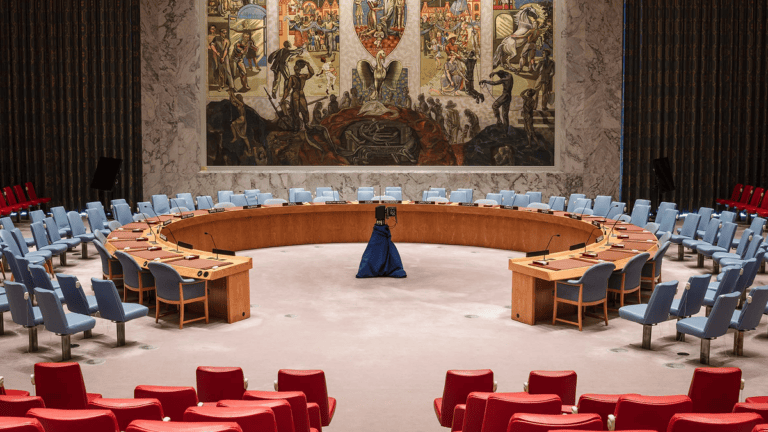
Last week I attended at my first panel on Capitol Hill, which pertained to the currently ongoing 69th United Nations General Assembly (UNGA) in New York City. The panel was hosted by The United Nations Association of the United States of America, and included guests from the State Department, the Better World Campaign, and Peacekeeping Operations Support Section of the UN. The discussion centered on what the likely topics were going to be at the UNGA, as well as on the role of UN peacekeeping forces around the world.
After the panelists were introduced, they quickly highlighted some of their expectations from this UNGA, and what major issues the US was going to lobby for. The audience was then shown a video of an interview featuring one of the panelists, Ken Payumo, who served with the UN peacekeepers in South Sudan. He described the conditions that political refugees lived in, his role in the operation, and a harrowing story of being threatened by pro-government forces who wanted inside the UN compound to look for political dissenters. Ultimately, he did not allow these forces inside the compound and was taken out of South Sudan for his own security. Though I’m sure it wasn’t intended, a lot of the subsequent audience questions focused more than his story than the issues of the UNGA.
The bigger issues that will inevitably be brought up (and hopefully addressed), according to the panelists were the outbreak of the Ebola virus and its threat to the medical security of West Africa, the threat of the Islamic State and mustering a coalition of states to combat it from all fronts, the extra-territorial claims made by Russia in Ukraine and the ongoing hostilities in Eastern Ukraine, the growing concern posed by climate change, and nuclear disarmament.
As one can see, there is no shortage of global issues to address. The UN is often criticized for its lack of substantive results in global issues, but if that perception is going to change, we need a more receptive and proactive body of delegates who are willing to compromise and get to work. Global issues, such as terrorism and climate change, will not just fall by the wayside. I hope this UNGA is a watershed moment in the evolution of the UN and how they operate to achieve their goals.