
Originally published on the CGS blog on January 14, 2011.
January 12, 2011 commemorated the 1 year anniversary of the earthquake in Haiti that claimed 220,000 lives and displaced around 2.3 million people. Immediately there was an outpouring of aid and funds and pledges to help Haiti get back on its feet. The world made promises and commitments that Haiti would not be ignored in the aftermath of the disaster. But even a year later there are grim reminders of a nation that is still bearing the brunt of the tragedy, and the situation can still be described as pessimistic and uncertain. It was reported recently by Head of the United Nations Stabilization Mission in Haiti (MINUSTAH) Edmond Mulet that only 20% of the aid donated after the quake has actually made it to the relief effort. While the news out of Haiti has also been one of endurance and survival, there are still very real and debilitating challenges in widespread illness, displacement, and poverty that leave the door open to the escalation of crime and vandalism, sexual violence, unemployment, and discontent.
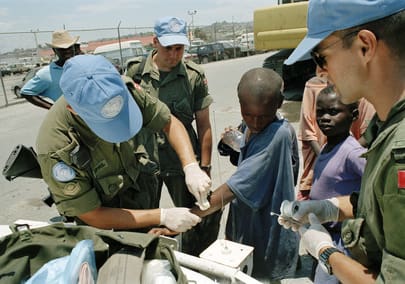
Historically, when there is an international disaster, the world turns its eyes to the United Nations to be a leading force in facilitating a relief effort. Peacekeepers are dispatched all over the world by the UN to high conflict areas and carry out just what their title suggests; to keep the peace. MINUSTAH has had a presence in Haiti since they first arrived in 2004. But when disaster struck and the situation evolved, so did the role of MINUSTAH. As needs increased so did the capacity of MINUSTAH to include things like recovery, reconstruction, and development type goals that deviated from their more traditional role. This additional directive has left the mission stretched thin. Its reception is mixed, and MINUSTAH is sometimes threatened and attacked by local Haitians, signaling an unwelcome response on the ground for their efforts. A recent example of this aggression surfaced when the rumor mill accusations that the UN Peacekeepers were responsible for the Cholera outbreak lead to local attacks on UN personnel. And since the Peacekeepers have been on the ground in Haiti, they have had 159 fatalities, 64 of which have been civilian personnel and none of which were the 102 UN personnel that died in the actual quake. This stands in contrast to the record number of deaths suffered by any UN peacekeeping mission in history: 159 deaths. The effort of UN Peacekeepers can only be effectively maintained if they continue to work with the consent and cooperation of a country’s government and its people.
All this compels us to reassess the nature of the relief effort in Haiti. At this crossroads, sights should be set on the long-term state building processes that must be prioritized if Haitians are to move forward. Development and relief must continue, with an eye toward sustainable relief. As we commemorate this anniversary one year later we remember those who have suffered, but we also remember the promises made and the ways in which we can help to create a safe and effective environment for Haitians to rebuild their future.


