
Originally published on the CGS blog on April 22, 2013.
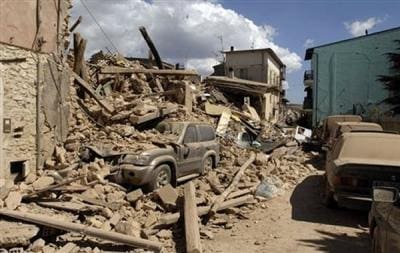
While the US was dealing with the grips of a terrorist attack in Boston, the most powerful earthquake in over forty years hit Iran. A 7.8 magnitude quake occurred 56 miles beneath the ground but luckily the casualties were minute for such a large seismic event. It was the second earthquake in a week for the gulf country that rests on a tectonic plate, making it prone to numerous earthquakes. They actually on average experience at least one slight earthquake a day.
Besides the obvious destruction caused by the earth moving underneath people’s lives, Iran is faced with another problem; their nuclear facilities. The first earthquake struck just miles from Iran’s Bushehr nuclear plant, prompting the Gulf Co-operation Council to call for international inspectors to be sent to the plant for fear of radiation leaks.
The Bushehr nuclear plant is near a fault line and has caused many of Iran’s neighbors to worry recently even as the Iranian government claims nothing bad will happen. Kuwait is especially nervous because, like most gulf countries, most of its water comes from desalination and if radioactive debris escapes the plant, it could pollute the water.
Since Iran plans to construct more nuclear plants and has blocked IAEA inspections, the region has cause to worry. Iran will not even cooperate with its neighbors and come up with a sort of contingency plan, refusing to believe anything is wrong. In the wake of Fukushima a secret report by Iranian scientists claimed that a future earthquake could devastate Bushehr especially with concerns over the foundations which are over 40 years old. Unfortunately the government has ignored these concerns, even those of their own citizens and top nuclear experts.
Questions have been raised on whether or not Iran is capable of handling a nuclear disaster. Iran though ignores these calls and instead has plans to actually expand the program and the Bushehr facility. Iran continuously claims that Bushehr can withstand an 8.0 earthquake yet fears remain.
Another growing problem is their underground uranium enrichment facility they are building in northwest Iran. They claim to be building it under a mountain due to fears of a US or Israeli attack on their facilities. While Iran denounces their plans for nuclear weapons, it is well known around the world that they have been enriching uranium past what is needed for nuclear energy.
If they were to build a bomb underneath said mountain and an earthquake were to occur, it could cause an even bigger explosion. It has been repeatedly said by numerous experts that it is not safe to have any nuclear activity in all of Iran, whether that be energy or to create a weapon of mass destruction. After Tuesday’s recent underground earthquake the fears have continued due to Iran’s lack of transparency in their nuclear programs.
An earthquake followed by a nuclear disaster has the potential to be worse than Fukushima and Chernobyl combined. Not to mention that it’s in a more populated area than both Japan and Russia, it also is one of the most resource rich parts of the planet. Iran might not agree to ending their program for the safety of the rest of the world, but perhaps if they understood the risks posed to their own county and their fragile neighbors, they might reconsider at least letting in IAEA inspectors to make sure everything is up to the proper standards.


