
Originally published on the CGS blog on May 28, 2009.
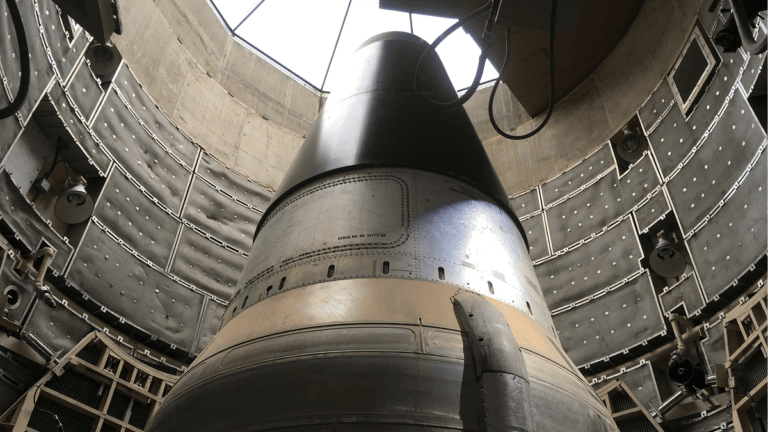
On May 27, 2009 I attended a panel discussion on the North Korean Nuclear Crisis presented by the Brookings Institution. Considering the controversy surrounding North Korea because of their announcement that they tested nuclear bombs this past Monday, May 25, 2009, the discussion focused on why North Korea did what it did and what the U.S. should do next. Panelists included Richard C. Bush, a Senior Fellow at the Brookings Institution and Director of its Center for Northeast Asian Policy Studies; Michael O’Hanlon, a Senior Fellow in Foreign Policy at the Brookings Institution; Carlos Pascual, Vice President and Director of Foreign Policy at the Brookings Institution; and Dennis C. Wilder, a Visiting Fellow at the John L. Thorton China Center in the Foreign Policy Studies Program at the Brookings Institution.
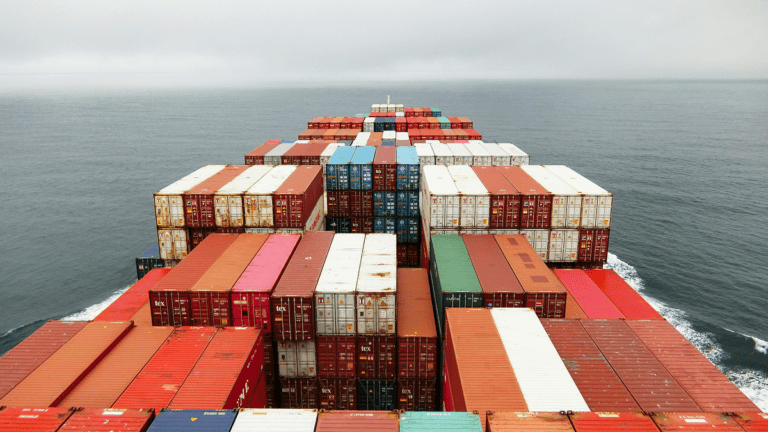
O’Hanlon, who previously advocated for a broader strategy with more cooperation when dealing with North Korea, now says that they have gone too far. Because of their actions, the U.S. has a more legitimate argument when approaching China about signing onto the Proliferation Security Initiative (PSI)- which creates an international agreement between parties to allow nations to search ships carrying suspect cargo and seize illegal weapons or missile technologies. Bush shed some light on why North Korean leader Kim Jong Il feels the need to test nuclear weapons. The need to be accepted as one of the world’s nuclear powers and the belief that North Korea is threatened by the U.S. and needs a deterrent were among a few of the reasons. Whatever the reasons, the international community needs to make clear that this behavior is unacceptable and Kim Jong Il needs to conform to international standards when dealing with weapons of mass destruction.