
Originally published on the CGS blog on September 12, 2014.
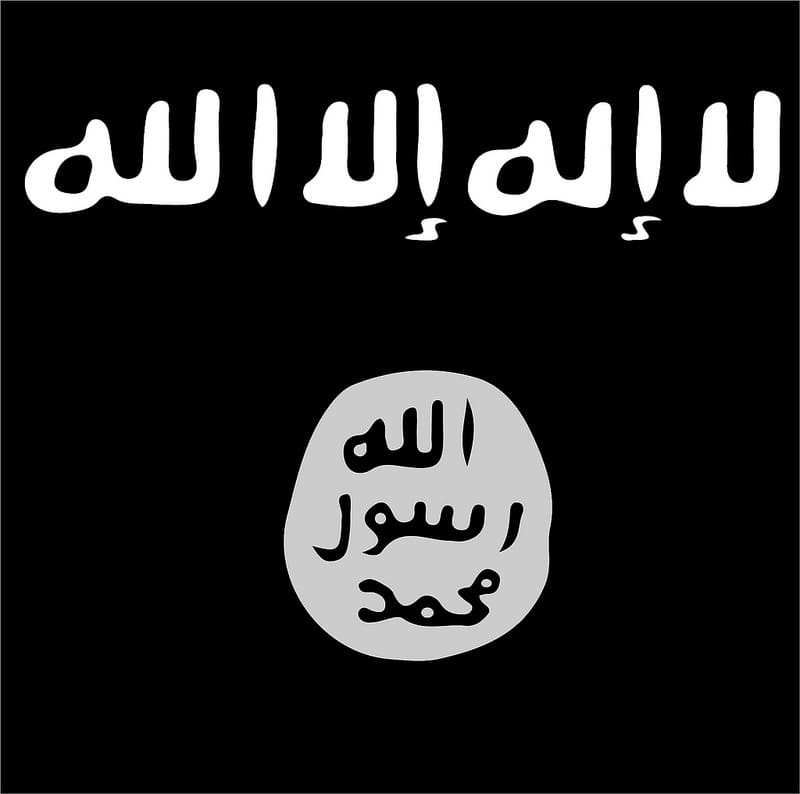
The Islamic State in Iraq and Syria (ISIS) is continuing to gain both territory and vital resources in their quest of religious cleansing and spreading the control of their caliphate. Consequently, pressure is mounting on President Obama and the rest of the world’s leaders to step up and extinguish the violence in the area. The US has successfully conducted airstrikes against ISIS in Iraq. However, it is clear that it is going to take an international coalition to eliminate the threat that they pose.
US military forces have been unable to enter Syrian sovereignty due to the bloody civil war that continues to rage on, having already killed 100,000 people. Furthermore, the situation is escalated by Syrian leader Bashar Al-Assad’s close ties with Russian leader Vladimir Putin. Putin has vehemently warned against any US invasion into Syrian territory, in part because Russia exports arms and resources to Al-Assad’s forces. Currently ISIS’ stronghold is located in Raqqa, Syria. For any substantial work to be done, a coalition force must be able to conduct operations within Syrian territory.
Conversely, US involvement in Syria has the possibility of dragging us into yet another bloody civil war. The US would be wise to stay out of this fight, considering the allegations of Assad’s use of chemical weapons against his enemies. Moreover, some Syrian rebels have in the past been associated with different sects of Al-Qaeda, making any entrance into this conflict extremely controversial.
ISIS has spoken out against the likes of Iran, Russia, Syria, and of course the United States. A situation that pits these four countries in a battle against a common enemy might have been inconceivable five to ten years ago. Despite having a common enemy, however, one should not hold their breath on the possibility of this being a cohesive coalition.
The US is currently at odds with Russia over their extra-territorial conflict in Ukraine, Syria is in the midst of a civil war in which no side has a clear US sponsor, and Iran’s quest to gain nuclear weapons has put off many in US leadership. Despite these shortcomings, a coalition must be raised to with deal with the humanitarian threat that ISIS poses to religious minorities.
So far the US has coordinated airstrikes with local minority militants to target key ISIS resources, but much more needs to be done. It’s not unreasonable to think that several European powers could be under threat if these ISIS militants were to have dual citizenship and cause damage to key European cities. This is the threat that the US is facing as well.
An international coalition must be raised to provide the support that the local militants need to defeat ISIS. The US and major European powers could provide air support and resources while leaving the ground battles to other belligerents such as Iran, Iraq, Syria, or Russia. This may be easier said than done with the civil war still going on in Syria.
CGS believes that the best way to resolve the conflict in Syria is through UN Security Council resolutions. Such resolutions would include sending humanitarian aid to the nations sheltering Syrian refugees, putting Assad’s chemical weapons under UN control, making a referral to the International Criminal Court on war crimes, and more.
President Obama has been dragging his feet, according to some of his critics, in regards to dealing with ISIS’s threat to US interests in Iraq, but now he has outlined his comprehensive strategy. Obama has made it clear that unilateral military action is not his style. He has opted instead to send 475 military advisors to further train and help gather intelligence for Iraqi forces. Moreover the president has made it clear that US forces will start to target ISIS locales in Syria via airstrikes. This strategy undoubtedly raises important questions about the United States’ role in supporting multilateral coalitions against terrorism.


