
Originally published on the CGS blog on June 26, 2013.
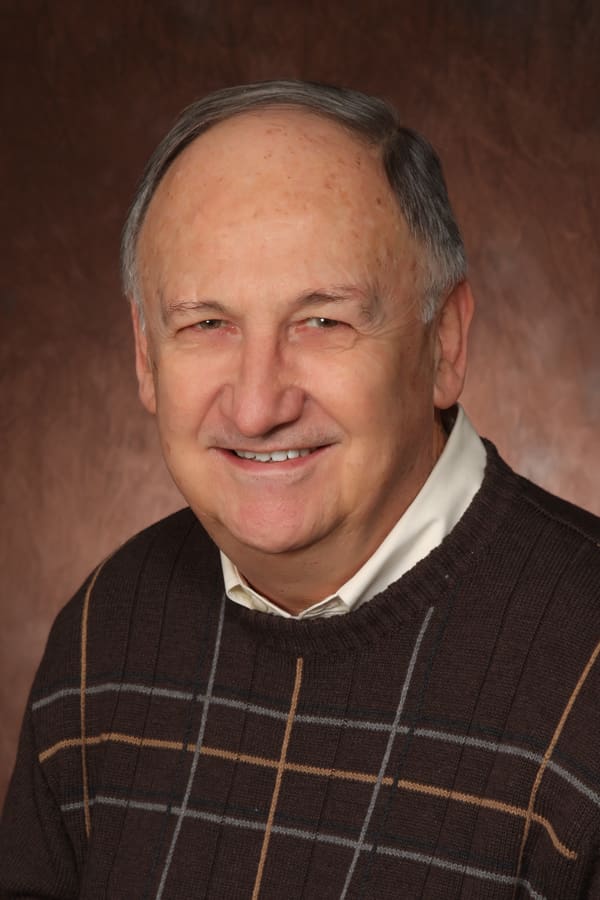
I had the opportunity to interview Dr. Michael MacCracken last week as part of a series of interviews I’m conducting of top US climate scientists. The GlobalSolutions.org team is interested to hear what these experts have to say about the lack of coverage of climate change in the broadcast media and which climate stories they feel deserve more coverage. Eventually, we’re hoping to package these stories for the media and promote their coverage.
Dr. MacCracken has been the Chief Scientist for Climate Change Programs at the Climate Institute in Washington, D.C. since 2002. Prior to this, he was a senior global change scientist to the interagency Office of the US Global Change Research Program. In addition, his testimony on global climate change and its impacts on specific regions was cited favorably by Supreme Court Justice Stevens in the 2007 decision of Massachusetts et al. v. EPA.
Here are some key excerpts from my interview with Dr. MacCracken:
GS.org: What do you think of the coverage of climate change in today’s media?
Dr. MacCracken: Well it seems to me what we need is coverage that pushes us towards action. The people have gained an understanding that climate change is not good for them, but what would be helpful to provide would be suggestions to help them figure out what directions to take. [People are wondering:] “Is there really a strategy to get through this or are we just going to end with the situation getting worse and worse?”
GS.org: Why do you think the media’s coverage of climate change has been so sparse?
Dr. MacCracken: I think the problem is we don’t have enough fireside chats on the issue. I think we sort of lack a national spokesperson. One of the papers I first did when I came back to Washington was trying to understand, given all the science I thought we knew twenty years ago, why all the contention? And my view is there are a number of different perspectives on the issue. Scientists offer a perspective… the fossil fuel industry [offers a perspective]… the environmental community …the economists …the energy security people… [They all offer different perspectives.] …What we need are people that pull views and pull perspectives together.
…The question is, when you have a society as a whole… who is representing thinking broadly across all these things? What about future generations? Does it matter what happens to future generations? And what are our ethical responsibilities as stewards of the world for future generations?
GS.org: You’re a big proponent of the advancement of the clean energy industry and its co-benefits for people. Do you think that’s a story the media should be covering?
Dr. MacCracken: I think that’s fair…I put solar panels on my roof, and because of the way it works in Maryland, I’m making a 10% tax free return on my investment. That’s pretty good! Very good! Sort of guaranteed…And the company that did that is hiring new people to do installations, and is doing a fair bit of business without advertising…They’re figuring out how to make the benefits of rooftop solar available to people who live in apartments or don’t have good roof exposures…There’s a lot of potential to do these types of things. …It just seems to me there are a lot of opportunities to step forward and take action…
GS.org: What kind of climate-related news do you see on the horizon that you feel the media should cover?
MacCracken: The media needs to relate what’s happening to people and what matters to people. To help people prepare, more attention needs to be placed on the emerging impacts of climate change. We also need to realize that what happens to us in the US is connected to what happens to others elsewhere in the world. The world is interconnected. We’re interconnected through the economy and in sharing the world’s natural resources. If there are problems [feeding certain populations] and a transition into famine in Africa or elsewhere, the effects are going to be felt here as well….Our investments, our resources, come from all over the world. We’re all dependent on each other. …We’re inter-coupled with the global economy. We’re interconnected because we all draw things from the global commons. …
One of the specific emerging concerns is what’s going to happen to food production around the world due to the severe weather that’s occurring in many of the major agricultural areas. There are experts who know far more about the international food market than I do who are very worried about what’s going to happen to food prices. …There are only 5 or 6 countries that …grow enough grain [to be able to] export large amounts. There’s the US, Canada, Russia, Argentina, Australia, maybe a couple of others. And if you look at the increasing trend in weather disruptions in these areas, production could be more and more affected over coming years. In the mid-1970s, when farmers in the Soviet Union had a very poor harvest, that sent shock waves through the markets around the world…As the world has become more and more inter-connected, we have in some ways increased our vulnerability, such that a disruptive weather event in a particular place can now have an impact that spreads around the world.
This interview, and the others I have done, has helped shed light on many important and poorly covered aspects of climate change. Stay tuned for further posts on my other interviews!


