
Originally published on the CGS blog on February 16, 2015.
Following recent elections, Greece has us asking big questions about how its sovereign debt will be managed going forward. These questions carry implications well beyond Greece: a collapse in talks over the next steps could result in a severe crisis for the European Monetary Union (EMU), with potential effects throughout the global economy. What are the implications for global politics?
A brief refresher first. Greece joined the European Monetary Union in 1999. The country wasn’t in good financial shape, and things only got worse throughout the next decade. The full extent of the problem wasn’t known until a new finance minister discovered deceitful accounting in 2009. Greece was defaulting on its debt, but it started to take steps to fix the problem.
A troika of international creditors had substantial leverage over how Greece would repay its debt. For Greece to receive relief from this group, it would have to increase taxes, cut government spending, and modify labor standards. With no alternative, Greece agreed to the conditions and accepted a bailout package.
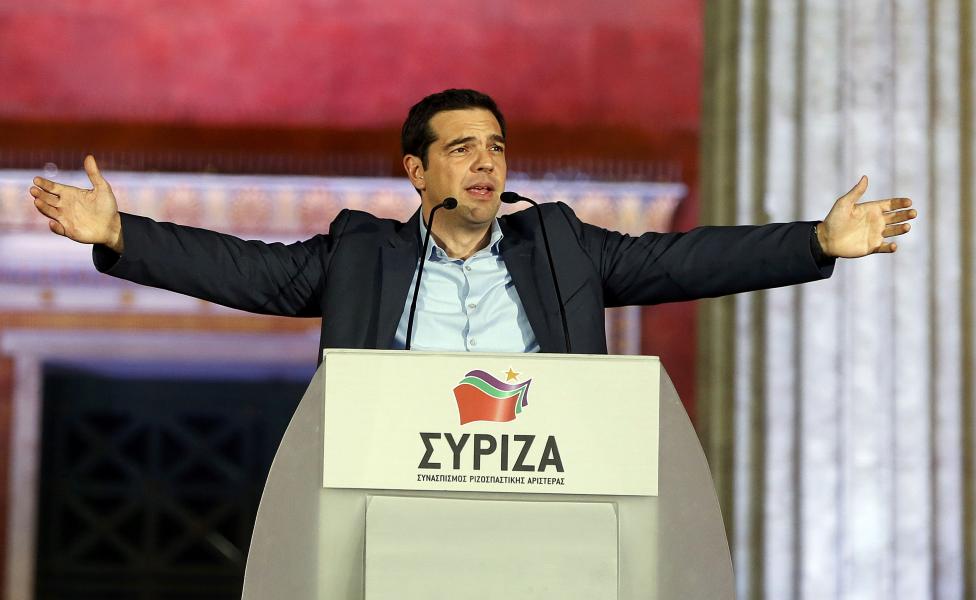
Since then, Greece has achieved a primary budget surplus, but it isn’t paying off its debt as quickly as its creditors prefer. The austerity measures demanded by the troika resulted in high unemployment and a shrinking Greek economy. Thus the elections: Greeks want a change in the conditions for repaying the nation’s sovereign debt so they can go back to work and live better lives.
Our global financial system needs to enable borrowing for public projects because of the cyclical nature of the global economy: sometimes tax receipts fall in a recession but program expenses remain the same, so deficits ensue. We also need public institutions that are responsible to their lenders and earn the trust of the public.
But if we over-prioritize the lender-debtor relationship, we risk missing the fact that sovereign debt is taken out in the name of the public good: repayment measures fall back on the individuals who make up these countries. And demanding too much can risk undoing the original good done by the loans and can cause new harm. Limited options for restructuring sovereign debt leave governments apparently ceding sovereignty to organizations that may not have the best interests of the state or its citizens as a priority.
As a global community, we must carefully review the moral implications of sovereign debt and the institutional structures we use to manage it. If Greeks were to feel so punished by its creditors that its only options were to leave the EMU or to ignore its debt entirely, the ensuing global financial catastrophe would likely extend to every corner of the globe, as lenders could lose faith in governments, development aid could dry up, and international trade could fall apart.
Nobel Prize-winning economist Joseph Stiglitz recommends a more formal, global institutional framework for managing sovereign debt issues. But as the troika of Greek creditors has proven, lender conditions on debt management can be problematic. We need a framework that provides multiple options for debtor states so that their sovereignty is kept intact while protecting public welfare. If nothing else, this years-long crisis has proven that we need to put more effort into developing this sort of solution.
As the Greek situation unfolds, we need to remember that sovereign debt is necessary, but that there are more factors involved than merely how much debt there is and when it can be resolved. There are real people in debtor countries who are affected by the terms of repayment plans. And in a globalized world, repercussions resonate throughout the global economy. In a worldwide community, we need to consider a more permanent global solution to sovereign debt problems.