
Originally published on the CGS blog on October 12, 2015.
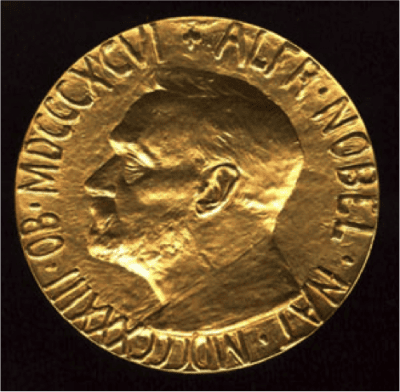
The Nobel Peace Prize was awarded on Friday to the Tunisian National Dialogue Quartet for its contribution to democratizing the country. The group is made up of four civil society organizations: The Tunisian General Labour Union, The Tunisian Confederation of Industry, Trade and Handicrafts, The Tunisian Human Rights League, and the Tunisian Order of Lawyers.
The quartet, formed in 2013, organized a long and difficult national dialogue between Islamists and their opponents, forcing them to work together while dealing with the political unrest that occurred after the Tunisian Revolution. Thanks to their establishment of an alternative and peaceful political process, Tunisia was able to “establish a constitutional system of government guaranteeing fundamental rights for the entire population.”
Today, Tunisia is the only country in the region that has made genuine progress in transitioning to a democracy. After the revolution forced the country’s dictator Zine al-Abidine Ben Ali to step down, Tunisia freely elected its current president, Beji Caid Essebsi. Meanwhile, the revolution, which would come to be known as the Arab Spring, spread to a number of other countries in North Africa and the Middle East.
Unfortunately, as the results of the Arab Spring have shown us, abolishing an old political order is just the first step of a revolution. It is extremely difficult to then establish a new, lasting system. Most of the countries who partook in the uprisings have had their battle for democracy and fundamental rights suffer major setbacks. The devastating civil war currently taking place in Syria is just one example of this.
The Nobel Peace Prize, more than just rewarding the Tunisian National Dialogue Quartet, serves as an encouragement to Tunisia’s civil society as a whole. The prize will hopefully inspire Tunisia to continue working towards democratization.


