Originally published on the CGS blog on June 23, 2014.
At a recent event held at the Brookings Institute, Under-Secretary General of Peacekeeping Missions for the United Nations Hervé Ladsous led a discussion on the future of peacekeeping operations around the world. He highlighted the need for greater innovation and international cooperation in both current and future peacekeeping missions in order for increased success.
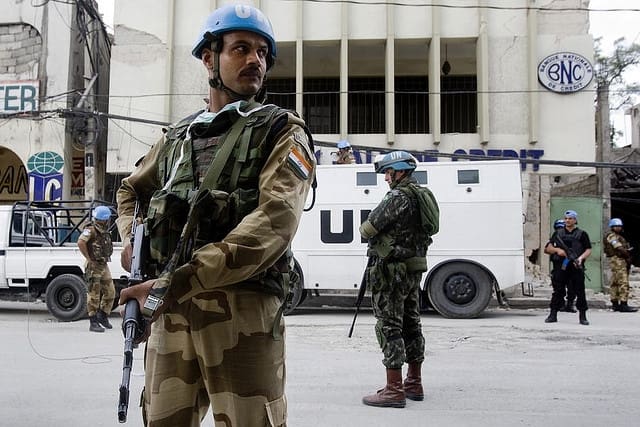
As of today there are sixteen ongoing missions through the Department of Peacekeeping Operations as well as a special political mission–the United Nations Assistance Mission in Afghanistan (UNAMA.) An estimated nine out of every ten peacekeepers are currently stationed in Africa, with missions such as those in the Central African Republic and South Sudan being the most volatile. These dispatched peacekeepers handle a myriad of problems within conflict areas and help to restore stability and peace to those displaced and injured by civil or international violence.
Mr. Ladsous commented on the success of peacekeeping missions in recent years, highlighting the fact that the number of conflicts around the world has decreased dramatically within recent decades. However, the severity of the conflicts we face today make them far more intractable and difficult to handle than in the past. The issue of weakened political frameworks stands as the greatest problem in many conflict areas and often times “cripples the missions.”
In looking towards the future of peacekeeping operations, Mr. Ladsous stressed the need for greater innovation in regards to the tools used by peacekeeping forces. The need for newer technologies is essential for the success of missions, for “we must handle the conflicts of today with the tools of today.” He also mentioned that the Department of Peacekeeping Operations is continually researching ways to ensure its practices promote environmental sustainability within the regions in which its missions are housed.
The need for more regional and international cooperation is also key to future peacekeeping missions around the world. Mr. Ladsous stressed how member states must be “of the same mind” in approaching peacekeeping efforts to ensure their goals are achieved in the long run. He invited all countries, both those that have invested resources into peacekeeping and those that have not, to take a larger role in peacekeeping missions in the future.
During the Q&A session following his speech, many of the audience members presented Mr. Ladsous with controversial questions in regards to current peacekeeping missions–most notable were those regarding the UN’s role in introducing a cholera outbreak in Haiti and the sexual misconduct of Sri Lankan peacekeepers. It was clear, however, that Mr. Ladsous was not inclined to answer the more contentious issues of peacekeeping operations, attempting instead to keep the peace in the discussion.
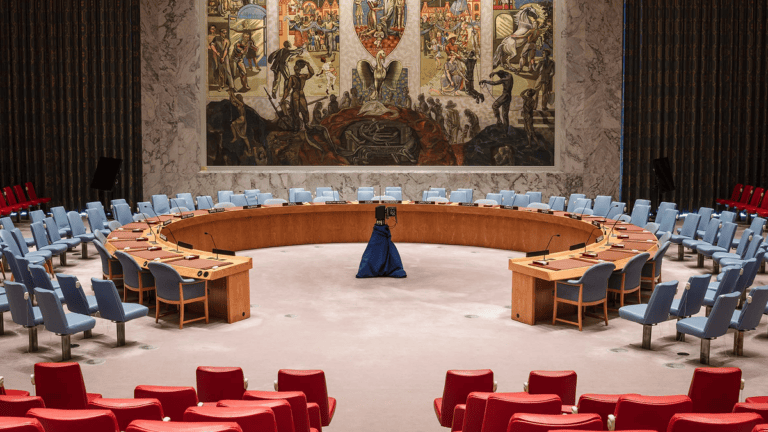
It is clear from the event that the current approach to peacekeeping operations must be reformed when looking at future endeavors. The need for greater global cooperation and a more solid Security Council are essential in ensuring all efforts put forth prove to be worthwhile. Changes in current policies are needed in order for peacekeeping missions to achieve their goal of establishing order and stability in countries around the world.