
Originally published on the CGS blog on July 31, 2012.

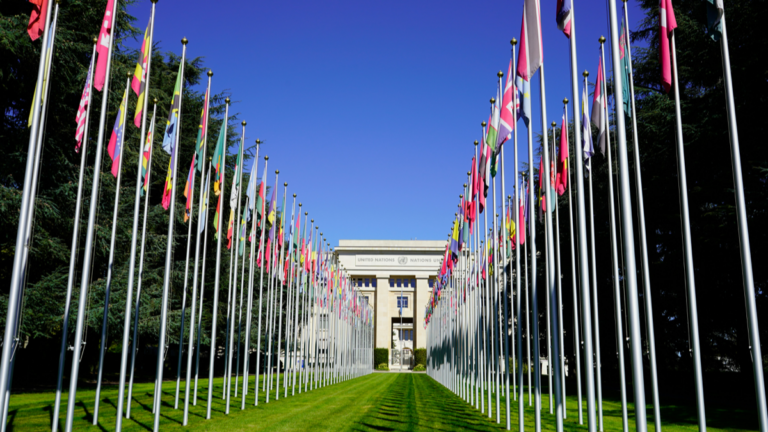
The Arms Trade Treaty (ATT) will not pass this year and sources suggest the United States was central to its failure. The US showed little dissatisfaction throughout the month-long conference, but raised major concerns in the final hours of negotiations that ultimately killed the treaty.
The potential treaty would have been a historic advancement for international peace and security. It sought tougher regulation of the international sale of arms and the transfer of arms to perpetrators and potential perpetrators of atrocities.
GlobalSolutions.org remains committed to passing a meaningful arms treaty. We highlighted the broad significance of the treaty by sending the names of over 5,000 supporters to Secretary Clinton and other top diplomats. The Control Arms coalition also presented negotiators with several hundred thousand petition signatures supporting more regulation.
Unsurprisingly, regressive right-wing groups like the National Rifle Association (NRA) continued their relentless assault against the treaty until the closing bell. Its fear campaign began months ago as the initial meetings began before the four weeks of marathon negotiations this month in New York. A belief that the treaty would violate the Second Amendment and a wholesale rejection of international institutions is the basis of their opposition. The ATT seeks greater regulation of the weapons trade between international actors only. Thus, it would have no impact on a US citizen’s ability to participate in any activity protected by the Second Amendment.
However, the NRA’s fear mongering and enormous campaign contributions slyly seduced a majority of the Senate to oppose the treaty. It’s CEO Wayne LaPierre went on a successful media blitz which culminated in a speech at the United Nations expressing his unsubstantiated concerns. Election year politics is likely why fifty-one Senators adopted a hardline position. The gun lobby won the domestic debate and millions of deadly weapons will flow across borders, largely unrestricted, for at least another year.
The treaty’s defeat is a loss for most of the international community and the millions of civilians killed or injured by weapons each year. However, there is one point of hope. By requesting more time to consider the treaty, the Obama Administration suggested a desire to continue the conversation – just not during an election. If Obama is reelected, signing a treaty at the United Nations General Assembly is a possibility. We might not be able to say the same if his opponent wins.
Co-authored by Emily David and Sean Langberg.