Originally published on the CGS blog on November 30, 2011.
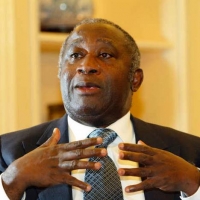
Cote D’Ivoire’s ex-president Laurent Gbagbo was transferred to The Hague last night just hours after the International Criminal Court issued a warrant for his arrest. Gbagbo was indicted for crimes against humanity he committed during violence resulting from his refusal to cede power after losing the presidential election last year. More than 3,000 civilians died and many more were injured or assaulted in the post-election conflict between supporters of Gbagbo and the newly elected president Alassane Ouattara .
The ICC launched an investigation into the events that occurred after the election in October. Speaking about the arrest of Gbagbo, ICC Prosecutor Luis Moreno-Ocampo said, “It is exactly a year since the presidential election that led to one of the worst episodes of violence Cote d’Ivoire has ever known, with ordinary Ivorians suffering immensely, and crimes allegedly committed by both parties. We have evidence that the violence did not happen by chance; widespread and systematic attacks against civilians perceived as supporting the other candidate were the result of a deliberate policy.”
Gbagbo refused to step down from office and ignored international diplomacy efforts, resulting in a military campaign to remove him from power by forces loyal to Ouattara. Gbagbo has been under house arrest since forces backed by the United Nations and France, ousted him from power last April. Both Gbagbo and Ouattara’s forces are being investigated for atrocities committed during the brief conflict, including murder, rape, persecution and inhuman acts.
Don Kraus, CEO of Citizens for Global Solutions said, “Gbagbo’s detention at the International Criminal Court has demonstrated yet again that tyrants and human rights abusers around the world-even if they are heads of state–will not enjoy immunity from international law, and will be held responsible for their crimes.”
Gbagbo is the first former African head of state to be arrested and transferred to the ICC, where he will face further investigation and a trial for his supposed crimes. Several other arrest warrants are expected to result from the investigation, although the ICC is refraining from publicizing names of others under examination.
Gbagbo’s warrant and swift arrest constitute a huge success for the international community and the ICC, proving that humanitarian intervention and international institutions can work effectively to prevent conflict and provide justice. Officials from both Gbagbo’s former government and Ouattara’s current one must continue to cooperate with ICC prosecutors to continue to reveal the truth and exact justice for all those injured or displaced in the conflict.
Kraus stressed, “While we applaud Gbagbo’s arrest, violence was perpetrated by both sides in the conflict. The Court should continue to investigate all instances of grave crimes committed against the people of Ivory Coast, and urge officials in the country to assist the court with bringing perpetrators of violence to justice. International cooperation is essential to resolve global challenges, building a safer, more secure world.”