Originally published on the CGS blog on June 18, 2008.
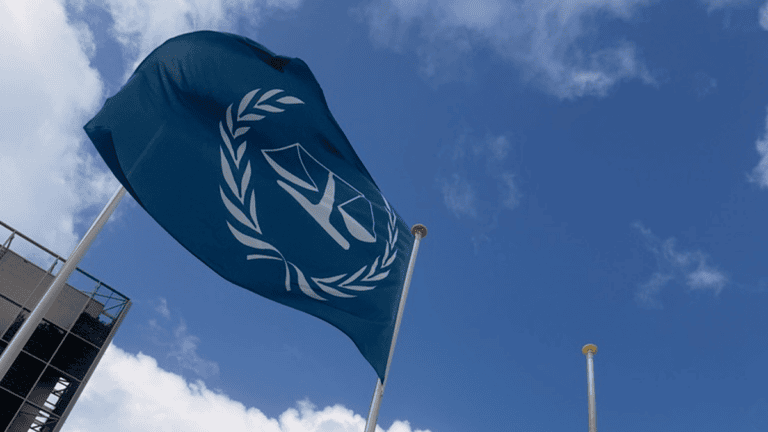
China’s previous veto, shielding the Sudanese government from United Nations’ pressure to comply with International Criminal Court (ICC) warrants for arrests of suspects, no longer offers such protection. With seemingly less opposition from China, the Security Council of the U.N. has been more able to come to a concensus to place real, significant pressure on the Sudanese government to address the genocide and human rights violations in the Darfur region.
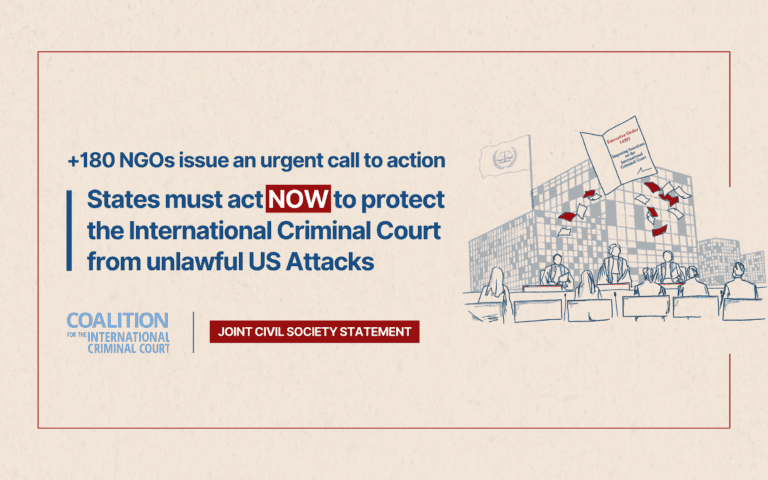
Sudan, a member of the United Nations since 1956, should know the rules, and follow them, when dealing with U.N. propositions – not to mention that the blatant corruption evident within the government is in itself, a serious issue and violates many so-called “rules.” The U.N. has outrightly demanded that the Sudanese government unconditionally cooperate with the ICC, consistent with resolution 1593. Regardless of these demands, a denial of compliance to the legal warrants, and a continued dismissal of the ICC’s influence over the war crimes occuring in the country, ignites valid international unrest and concern.
Specifically, arrest warrants for government official Ahmed Haroun and militia leader Ali Kosheib have not been adhered to. To think that war criminals are unjustly (and illegaly) granted immunity by their government based merely on the notion that the government “refuses to comply,” is unacceptable and should not be tolerated. In no just place would leaders of genocide be granted immunity by the very people who fund it, while the rest of the world looked the other way.
As a result of these rejections of international law by the Sudanese government, the Security Council decided to make a trip to Khartoum (Sudan’s Captial), from June 4-5. The fact that the U.N. needed to physically show the seriousness of the matter is unsettling. It clearly relays that Sudan neither values the U.N. and its demands, nor the lives of its own people. Refusing to adhere to the ICC’s warrants fuels the genocide and does nothing to save the Sudanese people from a potentially irreversable fate. Pressure needs to be continually heightened, in conjunction with serious and binding consequences to those who continue to ignore international law.