
Originally published on the CGS blog on May 31, 2012.
Hopes, concerns, and anger have all surrounded the recent results of the Egyptian election earlier this week. The two front-runners of the preliminary elections were revealed earlier this week: Mohamed Mursi and Ahmed Shafiq. Each received 25% and 24% of the vote, respectfully.
Certain groups are worried about the two choices for various reasons. In Tahrir Square, the birthplace of the revolution, protesters chanted against both candidates. Pro-Democracy youth were angered and worried that Ahmed Shafiq is now one of the front runners, as he served as Prime Minister under former President Mubarak. Earlier this week, more protests broke out, leaving Shafiq’s campaign headquarters burnt and destroyed.
Others are concerned over Mursi as a front runner, including women’s rights groups, pro-democracy groups, and the Christian minority. As a conservative member of the Muslim Brotherhood and the Freedom and Justice Party (FJP), Mursi pledged to implement shariah Islamic law. There are reports that if elected, Mursi would quit the FJP and would appoint a Christian vice president, “if possible.” It was further reported that he would not impose the veil on women.
Not forcing the veil on all women is one thing, but what about their representation in government? Mursi mentions “Christian brothers,” are “partners in the nation,” adding, “they will have full rights that are equal to those enjoyed by Muslims.” Sure, that includes the Christian minority, yet there seems to be little mention of prioritizing the advancement of women in the government, especially since the Muslim Brotherhood-controlled Parliament has been unpopular with women’s rights groups.
Since last December when the newly-liberated country elected Parliament members, assaults on women’s rights and participation in government have been plentiful. Women all over Egypt protested two critical and horrifying laws that would impede on their rights: one that would make the legal age of marriage for girls 14 and the other which would allow a husband to engage in necrophilia if his wife dies.
As many international organizations know: the younger the legal age for girls to marry, the less likely they will go to school, the less likely they will enter the workforce, and as a result, the entire country’s economy suffers. Marrying a girl off at a young age will also increase her chances of dying in childbirth. The law that would allow a husband to engage in necrophilia sends a sickening message to the public about the value of women and how little they respect women.
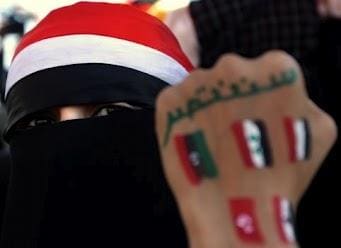
The recent attacks on women’s rights by the Muslim Brotherhood-controlled Parliament shows their lack of appreciation of the huge role women had in the revolution. There is justified concern over Presidential Candidate Mursi since he is a part of the Muslim Brotherhood. Since the second round of elections were announced, the Muslim Brotherhood has made efforts to broaden their appeal to women and other minorities. The head of the National Council for Women (NCW) Mervat al-Talawi announced that she will call on the newly-elected President (whoever he may be) to appoint a female Vice President. One can hope that Mursi’s promise to quit the Muslim Brotherhood if elected would be true, but would that have any effect on his commitment to strengthening and supporting women empowerment in Egypt?
I will leave you with a story of an Egyptian woman who is a reporter, a Muslim, and someone wary of having shariah law implemented in Egypt’s constitution:
I have a concern for a daughter I may have. I want her to feel worthy of respect regardless of what she chooses for herself. When she goes to school, I don’t want her to have to take the classes I had to take on how to cook and clean just because she is a girl. I don’t want her to grow up as I did in a struggle between what she is made to believe she “should” be as an Egyptian woman and an aspiration to one day be free to be whoever she decides to be. […] I’m concerned about living in a society ruled by a government that gives itself the right to restrict my freedom in the name of my own religion. And I’m simply not secondary.
If a prosperous democracy is the goal for Egypt, empowering and including women in the political process is one of the biggest solutions. Until Egypt ensures fair representation and rights of the other half of the population, the revolution will remain incomplete.


