Originally published on the CGS blog on December 10, 2010.
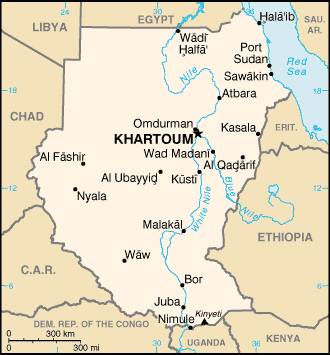
With only a month left until Sudan’s momentous January 9th referendum-in which southerners will cast their votes on whether or not to secede from the north to form their own independent state-questions are swirling about whether the referendum will happen on time, or at all, and what the aftermath might entail for the country that Secretary of State Hillary Clinton recently described as a “ticking time bomb.” Just yesterday, it was announced by Sudanese officials that the separate referendum in the oil-producing Abyei region will not take place on January 9th after all, despite being agreed to in the 2005 Comprehensive Peace Agreement (CPA), which ended decades of war in Sudan.
Today, on International Human Rights Day–which marks the 62nd anniversary of the United Nations General Assembly adoption of the Universal Declaration for Human Rights–the possibility of human rights violations and even a potential return to warfare between north and south Sudan following the referendum remains of great concern to GlobalSolutions.org.
Against this backdrop, the Center for Strategic and International Studies (CSIS) hosted a briefing on December 10th entitled “Preparing for Sudan’s Referendum,” in which panelists described the process leading up to next month’s vote and offered predictions on how it will unfold. Traci Cook of the National Democratic Institute spoke about preparations for the vote currently taking place in Sudan. Ms. Cook said she believes the referendum will happen on time, or at least close to it, and the results will be accepted, as the price of renewed warfare is too high for both the North and the South to contemplate.
Atul Khare, Assistant Secretary-General for Peacekeeping at the United Nations, talked about U.N. efforts in Sudan and stressed that protection of civilians in the country is a task in which everyone must be engaged at all levels. For now, the security situation in southern Sudan remains calm, he said, but tensions will rise during and after the referendum. In a worst-case scenario, Khare said that 2.8 million Sudanese might be displaced and an additional 3.2 million otherwise affected by the vote’s outcome.
Linda Bishai of the U.S. Institute of Peace described her recent visit to a small town in southern Sudan, as well as the mood in the regional capital, Juba, where she described people as “euphoric” about the anticipated vote for southern independence. While it does not appear from this atmosphere that North-South conflict might be imminent, Sudanese are still aware of the potential dangers. Still, her overall report on the current state of southern Sudan in preparation for the referendum was positive.
The relatively upbeat tone of the briefing was welcome and uplifting. It remains to be seen, of course, what the outcome and aftermath of Sudan’s referendum will be, particularly in light of the announcement of the Abyei referendum being postponed. But if a fair and non-violent election, with an outcome respected by both North and South, remains a real possibility as the panel indicates, then this would represent a great success for human rights in Sudan and in sub-Saharan Africa as a whole.
CGS continues to follow the Sudan referendum as part of our broader concern with advancing human rights and ensuring protection of civilians throughout the world. We will keep blog readers posted on events as they occur.