Originally published on the CGS blog on November 15, 2010.
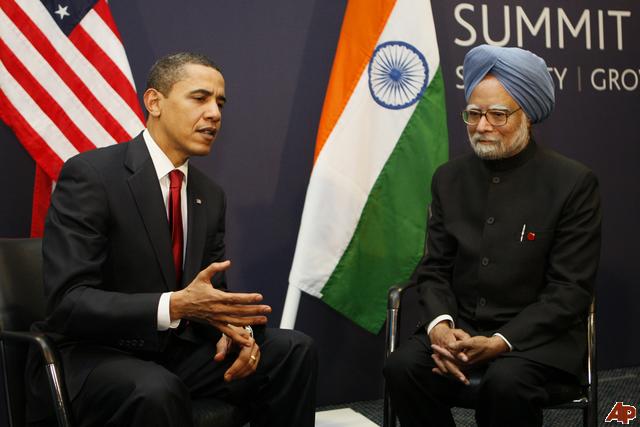
In a recent visit to India, President Obama announced U.S. support for India taking a seat on the United Nations Security Council. A second announcement centered on U.S. backing of India’s membership in the Nuclear Suppliers Group. While these developments indicate a stronger tie between the world’s two largest democracies, they open up questions about Obama’s other initiatives as well as what this will mean for next steps in ensuring reform.
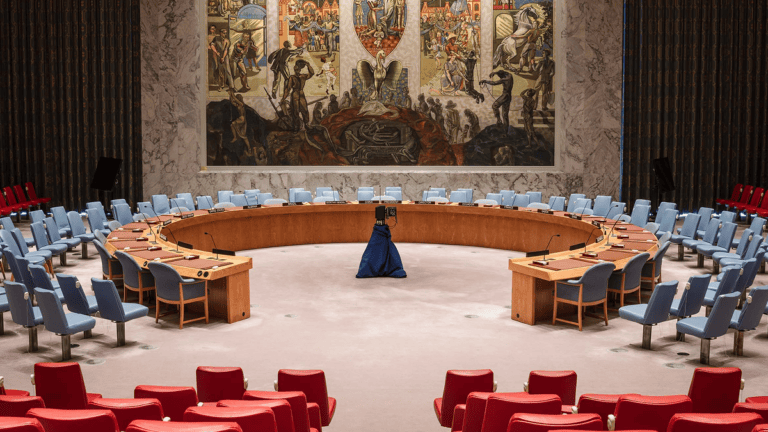
By publicly announcing U.S. support for entrance into the Security Council, President Obama has made clear that his administration looks favorably upon reform of the Council beyond the current makeup 5 permanent and 10 non-permanent members. Almost since its inception, calls have been made to reform the structure of the Council to better reflect the balance of power in the world. But changing power dynamics over the past two decades have ramped up the demand for a more representative council. This reform includes the addition of India to the Council, as India is the second most populated country in the world, and as Obama put it “India is not simply emerging, India has emerged,” as a major power in Asia as well as throughout the globe. While reform of the Security Council won’t take place overnight, the U.S. example can help garner international support for change.
President Obama also announced the U.S. decision to support India’s membership in multilateral export control regimes, such as the Nuclear Suppliers Group (NSG). The NSG is a group comprised of 46 supplier states who aim to prevent nuclear exports for commercial and peaceful purposes (such as nuclear energy) from being used to make nuclear weapons. Also, The NSG guidelines require that importing states provide assurances to NSG members that proposed deals will not contribute to the creation of nuclear weapons.
This visit indicates Obama’s intention to improve the U.S. international reputation as well as to expand international relations by acting inclusively towards other major powers. However, questions about domestic initiatives are raised by these actions. Is Obama actually undermining his own nuclear nonproliferation plans by inviting India into the NSG? A requirement of membership to the group is signing of the Nuclear Nonproliferation Treaty, which India has not done, and it seems that Obama is willing to make India the exception. This could ultimately anger other countries, especially Pakistan and China, and delegitimize Obama’s claims to be working towards a nuclear weapon free world. In addition, it’s great that Obama is publicly calling for Security Council reform and endorsing India is a smart platform for this. However, Obama didn’t provide an answer of how this will actually be achieved. What steps will have to be taken to initiate reform and include countries that deserve a say in the decisions of the Council?