
Originally published on the CGS blog on October 9, 2015.
India has just stepped up its efforts in the global fight against climate change.
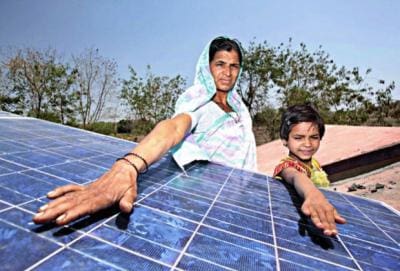
The country has now joined over 140 others in submitting a climate change plan, or Intended Nationally Determined Contribution (INDC), to the UN. India, which is expected to become the world’s most populous by 2028, has pledged to focus on clean energy and obtain 40% of its electricity from low carbon sources by 2030.
Nations are submitting INDCs in preparation for an important UN climate change summit occurring in Paris this December. Here, the UN will attempt to come up with a global agreement to determine how climate change will be tackled after 2020, when current climate targets expire.
Last November, the United States and China kicked off this process by unveiling an agreement to reduce greenhouse emissions, with the US pledging to cut its emissions to 26-28% below 2005 levels by 2025 and China agreeing to cap its emissions by 2030.
Both countries recently submitted INDCs based on this agreement, with China– the world’s largest carbon emitter– further committing to cut greenhouse gas emissions by 60-65% from 2005 levels. Since then, some 148 other countries have followed suit, submitting their plans before the informal October 1 deadline set by the UN.
Almost 90% of world emissions are currently covered by INDC pledges. Forty-eight countries have yet to submit their climate plans.
The upcoming Paris conference will be highly important, as it will attempt to establish the first legally binding multinational agreement on climate change. Today’s level of greenhouse emissions is putting the world at the risk of a 5C temperature increase. Although that may not seem like much, it will have devastating impacts on ocean levels, plant and animal life, weather patterns, health, and more.
It is important to note that even if all countries stick to their pledges, global warming will not be slowed enough to prevent catastrophic results. For this reason, we cannot rely on the Paris conference alone to solve our climate problems. Non-state actors such as municipalities, businesses, and local governments also must be engaged.
Finally, every one of us has a responsibility to cut back on our emissions and support a more sustainable world.


