Originally published on the CGS blog on November 12, 2009.
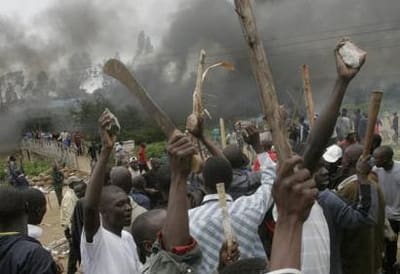
On November 5, 2009 ICC Prosecutor Luis Moreno-Ocampo announced that crimes against humanity had been committed during the 2007 post-election violence in Kenya and that the ICC would begin a formal investigation. The crimes being investigated occurred when Mwai Kibaki was reelected as President, defeating Raila Odinga. The people loyal to Odinga rebelled; believing that the elections were rigged. This period of violence resulted in 1,500 deaths and 500,000 displacements. Most of this violence occurred in the Rift Valley, where accounts lead to the belief that much of the violence was planned. One example of such violence was the burning to death of 30 people in a church.
Political parties in Kenya are generally divided among ethnic lines, and many citizens believe that if someone from their ethnic group is in power, they will benefit. The charges against Odinga’s followers (in the Orange Democratic Movement) claim that they orchestrated a genocide against the Kikuyu people in the Rift Valley (Kibaki is of Kikuyu descent). On the other hand, the Orange Democratic Movement has accused that police of using excessive and deadly force against protestors after the elections.
Ocampo decided to bring a formal investigation because neither President Kibaki nor Prime Minister Raila Odinga was pursuing investigations on the crimes committed. The ICC does have a good deal of support from Kenyan citizens because many do not believe that the government will initiate investigations because of the known corruption within the government. Some of the prime suspects, accused by human rights groups, are high ranking government officials.
Furthermore, the actual arrests of any individuals indicted would be entirely up to Kenyan officials. The ICC has to be careful however, because, according to Chirau Ali Mwakwere, Kenya’s transportation minister in a NY Times article,” gangs loyal to powerful politicians within the same ethnic group could explode if their leaders were hauled off to a court in Europe”. It was also reported that, after the government agreed with Ocampo to arrest any indicted individuals, leaders seemed evasive or to have changed their minds regarding any potential arrests. If Kenyan government officials refused to arrest indicted individuals, the ICC would essentially be powerless in initiating any trials against the criminals.
There are of course, complications with the investigation because, in some parts of Africa, the ICC is known as the “white man’s court”. Almost all of the cases and investigations that the ICC has pursued have been in Africa (Uganda, Democratic Republic of the Congo), and Kenya just seems to be another one of those cases. While this trend is hard to overlook, it is also important to realize that some of the most recent and grievous atrocities that have occurred have been in Africa. Considering that many African governments are plagued with corruption, it is no surprise that it has been difficult for African leaders to investigate crimes in their own countries. However, the ICC has initiated preliminary investigations in Colombia, Georgia, Afghanistan, and Gaza.