Originally published on the CGS blog on May 1, 2015.
The United Nations General Assembly convened this week to discuss specific proposals in selecting the organization’s top officer.
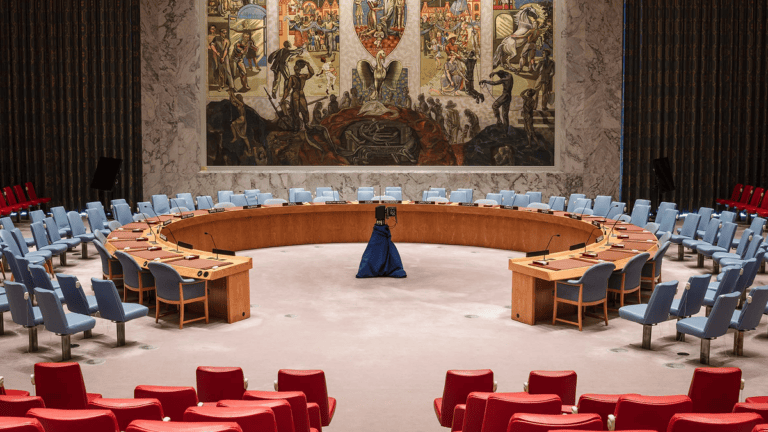
The Charter provides a rather uncomplicated process for electing the Secretary-General: appointment by the General Assembly upon nomination of the Security Council. There is no mention of the veto, term of office, or other criteria that have received criticism in recent years. Those provisions arise mostly from a 1946 General Assembly resolution. In recent years, members of the General Assembly have come to view that resolution as a restriction on their ability to select from among several qualified candidates.
During the discussion, India called for multiple nominees to be presented by the Security Council, with the Assembly appointing one as the new Secretary-General by a two-thirds majority vote. This would revise two core provisions of the 1946 rules. Indonesia proposed another significant reform by suggesting that the nominees from the Security Council not be subject to the veto.
Not surprisingly, permanent members prefer to avoid any changes that could limit their role in selecting the Secretary-General. France opposed nominations of multiple candidates, arguing that the process could “divide states.” China argued for fidelity to the Charter. The United States noted that it was “open” to new ideas as long as the process remained within the “current framework.” It opposed deadlines that would prevent nominations for the “best Secretary-General” to come in even at the last minute. This position was hardly defensible in 2006, let alone today:
Deadlines serve as one accountability mechanism against a politicization of the process that would otherwise encourage ‘dark horse’ candidacies. Such candidates are individuals whom governments may privately support from the beginning but not formally nominate until later in the process, usually after strategically voting against announced candidates. Such nominees are usually unknown (as candidates) to the majority of governments, but become ‘compromise’ candidates after others are eliminated from consideration.
The strongest calls to enact reforms this year came from Latin American states. Brazil called for reforms to be adopted immediately; otherwise it wouldn’t be possible for at least five more years. Cuba chastised the Assembly for lacking the political will to implement changes to the 1946 rules, suggesting the body’s failure to act left the selection a “private matter” for the Security Council.
Costa Rica was the most outspoken on the need to update the process, calling the selection the “most important decision in 2016.” The country joined regional partners and other small states in calling for a single seven-year term, female nominees, public hearings, and nomination deadlines. (How such reforms can drastically impact selection processes was examined immediately following the 2006 UNSG race in this paper.)
Calls to select the first woman Secretary-General were widely supported by many states, with the exception of Russia. In responding to calls for female nominees, its (male) representative suggested that the effort would amount to “discrimination” against male candidates. In contrast, states from Latin America and Europe stated their firm support in for gender equality.
Hungary and Moldova reiterated the regional call for the post rotating to Eastern Europe this round, and Germany endorsed the emerging consensus.
Discussions on the process will now unfold in a “hurry up and wait” approach over several months. Formal nominations will likely be deposited with the President of the Security Council after the General Assembly convenes in September, but agreement on the process will likely await new Security Council members being seated in January.