
Originally published on the CGS blog on July 31, 2014.
Operation Protective Edge, the name given to the Israeli Defense Force’s ground assault against Hamas’ military arm, is aimed at halting rocket and mortar fire on Israeli territory. In addition to cross border fire, Protective Edge is targeting a network of ground tunnels Hamas’ militants use to infiltrate Israeli territory.
Whatever Israel’s intentions are, one thing is clear; the loss of life has been alarming.
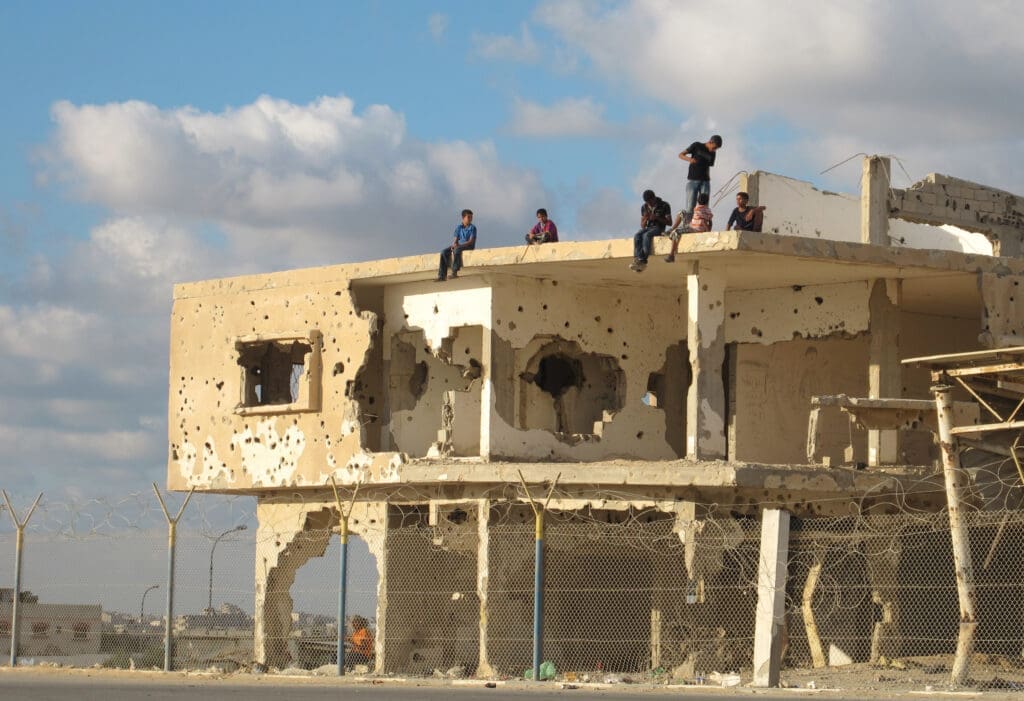
The death toll has passed 1,000 and, according to UN reports, 72 percent of those killed have in fact been civilian, including a larger number of women and children. Last week, an air strike killed five and wounded dozens of others inside a Gaza hospital. Israel’s target was a cache of anti-tank missiles that was identified as being in the “immediate vicinity” of the hospital. More recently, a UN shelter was hit killing 16 and injuring many.
In addition to civilian casualties, more than 100,000 citizens have been displaced by the conflict. The international community is calling for a ceasefire agreement, warning that the war crimes from both sides must end, including UN Secretary-General Ban Ki-moon who stated that Israel’s attack on the densely populated Shejaiya neighborhood of Gaza “an atrocious action“.
A series of humanitarian cease-fires were observed over the weekend however a long term agreement has yet to be achieved.
Unfortunately, a long term deal seems unlikely until Israel has achieved its military goals.
Israel’s Minister of Communications stated “Israel must not agree to any proposal for a cease-fire until the tunnels are eliminated,” referring to the Hamas’ ground tunnels into Israel. Hamas is demanding that Israel and Egypt open their borders and ease travel restrictions; the two sides are all but assuring that there will not be a quick, peaceful end.
As the fighting continues, concerns must shift toward humanitarian efforts.
The US is set to send $47 million in aid to Gaza in an attempt to “alleviate the immediate humanitarian crisis.” Additionally, Secretary of State John Kerry is in Cairo working with Egyptian and Arab League officials in the hopes of achieving a ceasefire.
Secretary-General Ban Ki-moon spoke alongside Israeli Prime Minister Benjamin Netanyahu, urging both sides to open dialogue and end the fighting that left the region in turmoil. Additionally, the Secretary-General urged Israel to exercise restraint; Mr. Netanyahu made it clear that this will be a difficult process, stating, “What grievance can we resolve for Hamas? Their grievance is that we exist.”
The modern Israel-Palestine conflict is one that has raged on since 1947; while a ceasefire may end the violence today, it will not provide a resolution to this longstanding rift between the Jewish and Arab states. Our hope and focus must be directed toward the preventing the unnecessary loss of civilian life.


