
Originally published on the CGS blog on August 12, 2013.
The Olympics, at least as I have always understood them, are known for their spirit of unity. I’ve always watched – partially for the melodramatic music playing over the rags-to-riches success story of this runner or that rower; for the close-ups of athletes crying on the podium as they hear their national anthems being played; and, perhaps most importantly, for the sense of camaraderie among the participants despite the national boundaries that separate them.
Overall, the spirit of teamwork and internationalism pervades – despite the basic fact that each country is competing against every other one. However, it is impossible to deny that the 2014 Winter Olympics in Sochi, Russia will be an intensely politicized affair.
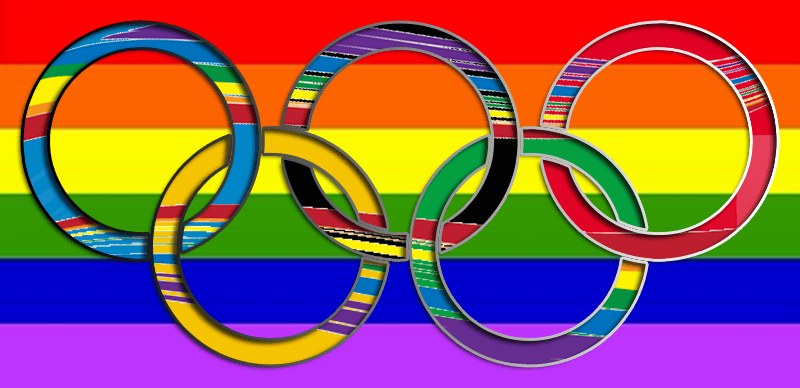
The controversy is over a bill signed into law in June by President Vladamir Putin, banning “homosexual propaganda.” This law makes it illegal to give anyone under 18 information about homosexuality, and anyone deeming to be promoting gay rights can be arrested, or in the case of foreigners, detained and deported. Although Russia’s Deputy Prime Minister said the law would not “infringe on rights of people based on sexual orientation, either at the Olympics, or before or after,” the bill is intentionally vague, and comes amidst crackdowns on homosexuality throughout Russia.
The new law has provoked international outrage, leading to threats of boycotting the upcoming Olympic Games. But honestly, I don’t think a boycott of the games would be effective. It seems as though it would not hurt Russia, but rather, the athletes themselves who have been training hard for their events and may only have one chance to compete against the best in their fields. Changing the venue would not be effective either, because it would be nearly impossible to choose a country and have that country make the necessary preparations with the event less than six months away.
But really, Putin’s bogus laws shouldn’t even be the focus, because that turns the Olympics into a background on which to project political statements when the games really should be about the athletes, themselves. These individuals have worked hard for their entire lives to reach Olympic status. They should not be relegated to being poster children of some political or social agenda.
However, if an individual athlete decides not to attend, that would be within his or her rights. But since I have never seen a study proving, or even suggesting, that sexuality affects athleticism, a victory by an openly homosexual athlete might be the best way of speaking up and making a statement.
Yes, I personally think Russia’s homophobic laws are abhorrent. But the Olympics aren’t about Russia’s laws. Despite the unfortunate policies in Russia, I think we should focus on restoring the sense of both patriotism and international camaraderie that the summer and winter Olympics bring us every two years by keeping the focus on the competition.
To me, the Olympic Games are a symbol of international cooperation, of countries joining together despite the grievances they may have with one another. In our politically charged world, we need the Olympics to remind us that world cooperation is possible, that the spirit of unity can survive even through the most difficult political situations. This February, that is what I will be looking for when I tune in.


