Originally published on the CGS blog on April 7, 2010.
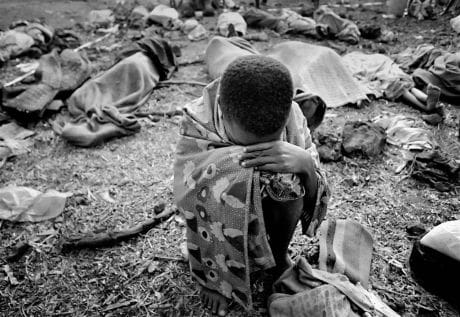
Sixteen years ago, a bloody killing rampage began in Rwanda on April 7th and continued for 100 days. Organized by the majority Hutus, the genocide was ethnically motivated and systematically executed against the Tutsi minority population in Rwanda. The campaign was sparked by the assassination of President Habyarimana, and radical Hutus accused Tutsis rebels of being responsible for his death. Compounded by the country’s history of civil war, this led to the widespread rape and murder of Tutsis and even moderate Hutus. The tragic failure of the international community to act rapidly and effectively once the killings began – or even beforehand – left as many as 1 million dead by July 1994. UN Security Council members refused to commit troops to the tiny UN force in Kigali. The horrific episode has left an indelible mark on many, affirming the vow that genocide will happen “never again.”
Yet genocide has since raged in Darfur, Burma, and elsewhere, so it is not clear that the “never again” pledge has been fulfilled. Genocide is preventable and early signs are detectable, but stopping atrocities before they begin requires political will at the national, regional, and international levels. As we remember the thousands of Rwandans that were killed, we must urge our government to commit to taking action at the first signs of future genocide. For example, GlobalSolutions.org supports the introduction and passage of new genocide prevention legislation which includes funds to prevent or halt emerging genocidal crises. CGS also advocates that Congress fully fund the President’s FY 2011 International Affairs Budget request of $2.182 billion.
In addition to protecting civilians by stopping the violence before it starts, accountability for genocide and other crimes against humanity is essential for bringing justice to victims and serving as a deterrent for would-be perpetrators. Current U.S. law contains loopholes for perpetrators of crimes against humanity to seek safe haven in the U.S. The 2009 Crimes Against Humanity Act seeks to seal these loopholes and allow international criminals to be prosecuted. This kind of impunity for criminals must end. Click HERE to take action and send a letter to your Senator urging them to join Senators Durbin, Leahy and Feingold in sponsoring the 2009 Crimes Against Humanity Act.