
Originally published on the CGS blog on September 17, 2013.
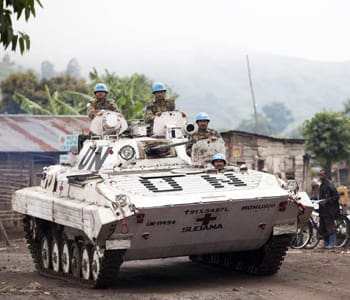
The UN Mission in the Democratic Republic of the Congo, or MONUSCO, has been conducting peacekeeping operations in the unstable countries since early 2000. But on March 28th, 2013, the Security Council approved Resolution 2098 which allowed for the creation of an Intervention Brigade. This Brigade, a first in the history of the UN, is allowed to conduct offensive operations against numerous rebel and guerilla groups, including the Lord’s Resistance Army, operating in the DRC. These groups have been responsible for 59 peacekeeper deaths and have attempted to further destabilize the country and halt elections. The Brigade has a one year mandate and a defined exit strategy; it consists of almost 20,000 soldiers in 3 infantry battalions, 1 artillery battalion, 1 Special Forces group, and 1 Reconnaissance Company.
A peacekeeping force that can actually go after rebels and guerrillas that attack civilians and destabilize regions is a very positive step forward for UN Peacekeeping. Past UN operations have been heavily criticized for be unable to stop events and groups that were killing innocent civilians. The most damning example of a UN Peacekeeping failure is the Rwandan Genocide. Peacekeepers were not allowed to combat machete wielding Hutus as they massacred Tutsis and even when several Peacekeepers were killed the force was withdrawn rather than being reinforced and allowed to counterattack. Being able to stop and combat the groups that led to a need for a UN mission will make for a more lasting peace than when the groups were ignored or government forces had to be relied on to stop them. Future instances of the brigade will depend on how well the one in the DRC performs, but being able to actually stop violence directed at civilians and peacekeepers alike will go a long way in ensuring that a tragedy like the Rwandan Genocide will not happen again just because peacekeeping forces’ hands are tied by red tape.


