
Originally published on the CGS blog on July 24, 2016.
Plagued by rising temperatures, droughts, and elevated carbon dioxide levels, Central America’s agricultural sector hangs in the balance. But the Guatemalan town of San Miguel Chicaj in Baja Verapaz may have the answer to this increasingly worrisome problem. With support from the German Society for International Cooperation (GIZ), San Miguel Chicaj will soon be home to an agro-ecological center designed to serve as a model of adaption to climate change.
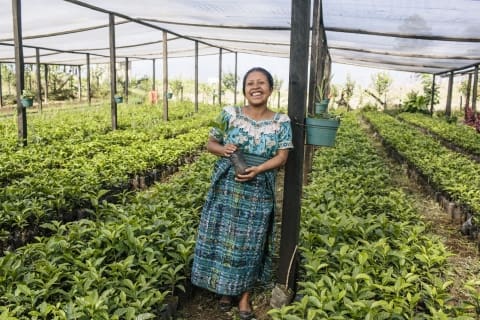
For the past ten years, the state of Baja Verapaz has been part of the ‘dry corridor’, making it the perfect testing ground for the agro-ecological center’s techniques. The center, located in a small forest surrounded by cornfields and nurseries, plans to teach people to adapt crop production to the changing environment.
“It will strengthen our crops…serve as a space for youth to be trained in agricultural-related activities,” the chief counselor of San Miguel Chicaj told El Periodico.
The project, which is in the second phase of the “Adapt” initiative of the GIZ, has been called “innovative” and “a new way to address climate change” by the organization’s head of cooperation Thomas Cieslik.
Under construction on municipal land, it will cost around $100,000 USD to complete. GIZ, meanwhile, is providing €10.5 million over six years (2013-2018) to invest in consulting and training. Once open, the center will fund operations by charging schools, universities, and companies for training students and employees.
It won’t be ready for about a year-and-a-half, but GIZ is already conducting workshops to teach residents of Baja Verapaz how to reduce their impact on the environment.
Like any project, San Miguel Chicaj’s agro-ecological center needs time to prove successful. However, if it does, it could become the model for agricultural innovation and food security around the world.


