Originally published on the CGS blog on March 28, 2011.
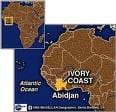
While the world’s attention is focused, and understandably so, on the events unfolding in Libya, another conflict and brewing humanitarian crisis has been unfolding on the other side of Africa for months. Ivory Coast, the small West African nation which saw a disputed presidential election result in a political stalemate late last year, is sliding ominously downhill towards civil war.
The November 2010 election in the country resulted in a victory – widely recognized by the international community – for candidate Alassane Ouattara over incumbent president Laurent Gbagbo. However, Gbagbo has refused to leave office and has ordered U.N. peacekeepers out of his country, though they have remained anyway. Now four months later, Gbagbo is still clinging to power, and opposition rebels supporting Ouattara have been battling with his forces. Meanwhile U.N. peacekeepers have surrounded the hotel where Ouattara is living in order to protect him, and are also attempting to protect civilians in the country.
However, there have been several incidents of violence towards civilians in which peacekeepers have been unable to intervene. Meanwhile, conflict between pro-Gbagbo forces and anti-Gbagbo rebels continues. The humanitarian situation is growing increasingly dire, with the U.N. saying up to a million people have fled the city of Abidjan, many to neighboring Liberia. While the eyes of the world remain fixed on Libya, the crisis in Ivory Coast continues to worsen far from the media glare.