
Originally published on the CGS blog on March 8, 2012.
Until yesterday, the name Joseph Kony wasn’t on the radar of most Americans. But thanks to a video campaign from the non-profit organization Invisible Children that went viral yesterday, more Americans know about Kony, the leader of the Lord’s Resistance Army in Uganda who has is wanted by the International Criminal Court of conscripting child soldiers. But just as quickly as the video spread across Twitter and Facebook, so has the controversy.
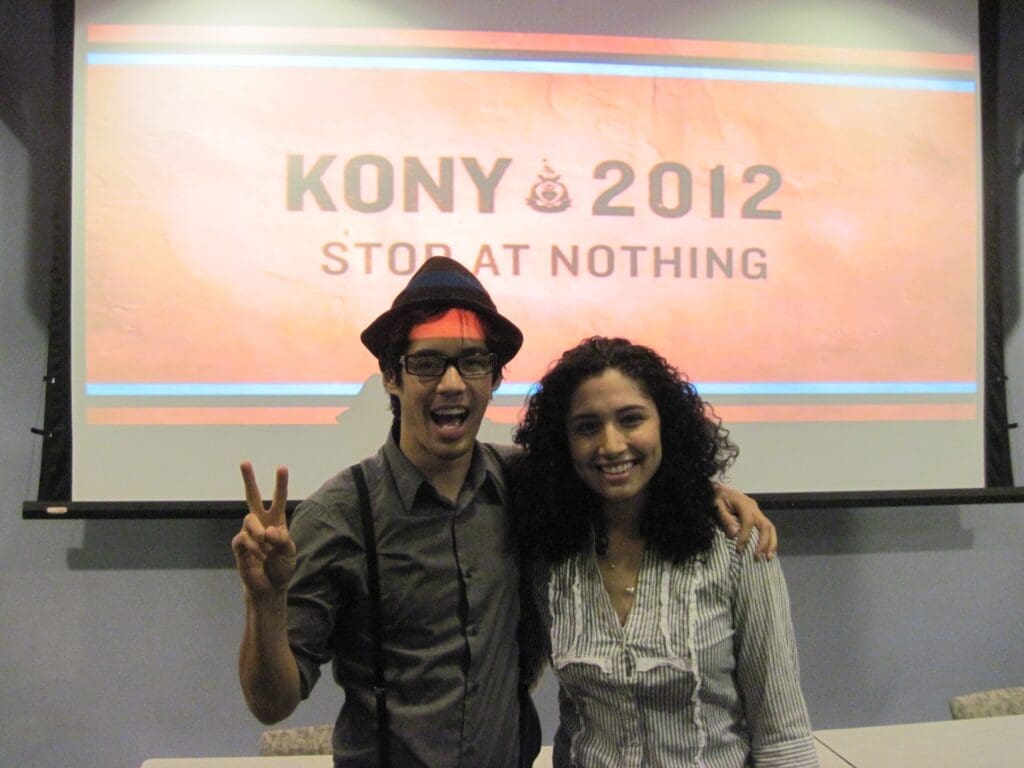
Last night, I had the opportunity to attend an event sponsored by the University of California Washington Center that showed the video. This event was planned weeks before the video campaign went viral, and was made even more interesting by having a representative of Invisible Children available to answer questions about its campaign and the controversy swirling around it after the video was shown.
The Kony 2012 film reveals a new personal reason for spreading awareness for the children threatened by the LRA. IC co-founder and filmmaker Jason Russell shares his concern for his son, Gavin. The world Gavin was born into includes people like Joseph Kony who abducts children like him and forces them to fight his unworthy battles. The film recollects how Jason, Lauren and Bobby met Jacob, a former child soldier of Kony’s, while in Uganda. The audience experienced again the moment that the three recent college graduates decided to help children, like Jacob, to see life in a different way. Viewers will see breath-taking images of past IC campaigns in different cities. The film explains the new event and the meaning of this year’s April 20. With 26 million views the day after its release, the film encourages people to participate this April in an event to share Kony’s story by covering the streets with posters.
The purpose of the “Kony 2012” campaign is to increase awareness of Joseph Kony’s crimes against humanity and his evasion from the International Criminal Court’s justice, roaming free in the Democratic Republic of Congo, South Sudan, and the Central African Republic. Children in Uganda lived in fear of the Lord’s Resistance Army for more than 20 years without stirring a reaction by those who were capable. To say that Kony should not be a priority or that his crimes are not worthy of national attention is to not only reject with the powerful movement occurring around the world, but also to disagree with the International Criminal Court. The complexity of the problem is undeniable, so will people just ignore the problem? Kony and his followers have been weakened, a fact that matters to the survival of the people in LRA-affected regions.
However, not everyone has reacted positively to Invisible Children’s social media and video campaign efforts to promote bringing Kony to justice. Critics have said that the campaign simplifies a complex problem, and that it’s naive to think taking a campaign action will produce real change in Uganda. After more than 20 years of violence, Kony has fewer followers and fled to border regions in neighboring countries. The problem is not over, though, because the people fear him, and he could regain strength. Along with raising awareness, IC established ground programs that have supported schools for the children and built radio towers to inform the people of Kony’s movements. You can find Invisible Children’s response to the criticism here.
With much attention to the negative actions of my generation, Invisible Children is one of many organizations that have organized an empowering movement. Justice for the people who need our help will happen because of us. To learn more about the campaign, visit http://kony2012.s3-website-us-east-1.amazonaws.com before asking, what is the point now?


