
Originally published on the CGS blog on October 17, 2013.
Kofi Annan said that “gender equality is more than a goal in itself. It is a precondition for meeting the challenge of reducing poverty, promoting sustainable development and building good governance.” There are many ways that investing in women’s empowerment can help end poverty. For example Women tend to invest more of their wages into their families than men. However, I’m going to focus on one aspect of women’s equality and development: birth registration.
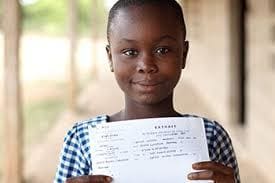
My host mother, Madame Sanokho took me on a trip to deliver books to a small Senegalese village about two hours from Kaolack-the second largest city in Senegal — where I was living. On the way she told me about the problems that girls face with achieving an education. I learned that one of their biggest challenges was not having a birth certificate because without a birth certificate children can’t attend secondary school. In Senegal birth certificates cost about $25 to obtain and most families live on about a $1.25 per day so birth certificates are financially unfeasible. When we arrived at the village I met 32 girls in their final year of primary school and I asked them if they planned to go to secondary school. They all said no because they didn’t have a birth certificate. People in this situation are often referred to as unregistered.
I couldn’t believe that the amount of money I might spend with friends going out to dinner on a Friday night is what was standing between these girls and a more vibrant future. Birth certificates grant children access to education, health care, an identity card which allows them to work legally. Moreover, a birth certificate provides them the ability to cross borders in times of conflict and return at a later date.
A few years ago I met Josephine. Her teachers considered her to be the best student in the Kaolack region of Senegal. She told me her dream is to become the Finance Minister for Senegal, and to promote policies that reduce extreme poverty. However, because her parents couldn’t afford to buy her a birth certificate she was ineligible to take the secondary school entrance exam. As a result, she thought her education would end with primary school. However, ELEVEate, a nonprofit that I founded in 2008, provided Josephine with her birth certificate so she was able to continue going to school and keep her professional dream alive. Josephine said that “having a birth certificate has enabled me to enroll in school, to have an identity card, which makes me part of society, and all of this makes it possible for me to look forward to the future.”
So how big of a problem is birth registration? 50 million children born each year don’t receive a birth certificate. 50 million children each year are relegated to the margins of society. They aren’t citizens, they can’t work legally, and they have little hope of pulling themselves or their families out of poverty. This simply perpetuates the cycle of poverty. Moreover, a disproportionate share of the world’s unregistered youths are female. Families who opt not to buy birth certificates for their children at birth can buy them later as they age. In many cases, especially for their sons, they do just that but girls are seldom as lucky.
Greater coverage of birth registration is something that can be achieved over time by altering institutions, making it easier and less costly to register children at birth or later in their life, and changing cultural norms or attitudes about education of women held by parents — especially fathers.
Birth registration can be a powerful social force that will ultimately lead to economic changes. I’ve seen a region of Senegal change in just five years. I saw a whole generation of girls who thought they would be relegated to menial work — mostly cleaning homes and caring for children — who thought they didn’t have the power to change their communities, transform into a powerful community of motivated girls with big dreams. They dream of being teachers, doctors, lawyers, NGO workers, even of being the President of Senegal. These girls are inspiring and they are changing their society and fostering greater women’s equality as sure as they’ve changed my life.


