
Originally published on the CGS blog on September 3, 2014.
The Ice Bucket Challenge – a fundraising and awareness campaign for Amyotrophic Lateral Sclerosis (ALS) or “Lou Gehrig’s Disease” – has gained widespread popularity in the last month, with everyone from celebrities to fugitives posting videos of their participation. This campaign has not come without its controversies, however, with many all over the world criticizing the challenge. In my home state of California, which is in a state of emergency because of the current drought, the ice bucket challenge has left many conflicted as we struggle to save water. Residents of the drought-stricken Henan province in China have reacted similarly, staging a protest urging, “Henan, please say no to the Ice Bucket Challenge.”
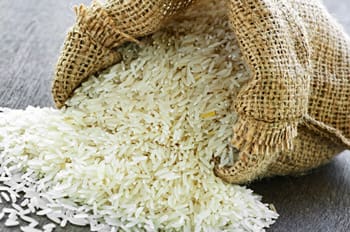
In India, where more than 100 million people lack access to clean drinking water, an alternative was created: the Rice Bucket Challenge. Started by 38-year-old journalist Manju Kalanidhi, this challenge asks people to donate a bucket of rice to a person in need. Then, just like the Ice Bucket Challenge, the participant snaps a photo, puts it on social media, and nominates friends to do the same.
Today, a third of India’s 1.2 billion people live on less than $1.25 USD a day; a kilogram of rice, or 2 pounds, costs between 80 cents and a dollar. A family of four goes through about 45 pounds of rice a month, according to Kalanidhi.
The Rice Bucket Challenge has blown up on social media, and Manju estimates “that at least 200 people have taken part and more than 4,000 pounds of rice have been donated.” The movement has also grown beyond India’s borders, with people all over the world beginning to take part in what is universally viewed as a more sustainable form of charity.
But what does the success of the Ice Bucket Challenge (which arguably has become more of a publicity stunt than an act of altruism), and now the Rice Bucket Challenge, say about us as a society? Is this just another example of people wanting to follow a trend, or is it a sign of a more charitable generation? Will future campaigns for charity only be successful if they give people the opportunity to document their good deeds?
Does an instagrammed bucket of rice taste better than a benevolent one?


