
Originally published on the CGS blog on March 6, 2014.
In the summer of 2008, tensions between Russia and Georgia reached a climax as conflict (now called the South Ossetia War) broke out. As an explanation as to why they invaded, Russia pointed to its need to defend Russian citizens living in the Georgian territories of South Ossetia and Abkhazia from prosecution by the Georgian government. By labeling their use of force as a responsibility to protect, Russia hoped to present their actions as defensive actions instead of antagonistic violence for the purpose of keeping influence over the region.
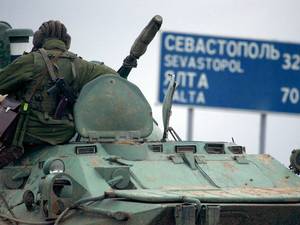
Fast forward six years and Russia is deploying this same strategy in its response to unrest within the Ukraine. Putin’s government is claiming the uprising and consequent overthrow of Yanukovich and his government are an “anti-constitutional coup and armed seizure of power.” There are rumors that Russia is issuing passports to ethnic Russians in the Crimea to bolster the basis for their defensive maneuvering. While Putin is using caution around when he will deploy his forces, he has made no effort to hide their posturing as open military movement within the Russian base in Sevastopol continues. In defense of this posturing, Putin has invoked the same argument of 2008 maintaining that Russia reserves the right to use all means to protect its citizens within the Ukraine.
This language around the protection of citizens is reminiscent of the Responsibility to Protect (R2P) doctrine adopted by the UN in 2005. Putin hopes to use this association to lend legitimacy to any action he may take in the Ukraine. However the situation in the Ukraine falls far outside of the boundaries of R2P.
R2P states that if a state fails to protect its citizens in the face of mass atrocities, such as genocide, war crimes, etc., the international community has a responsibility to intervene to protect the citizens. Putin has stretched these boundaries to lend credence to military action in the Ukraine but in fact there are no mass atrocities being committed and much of the violence has ceased with the overthrow of the government. Using the rhetoric of R2P Putin has not had much success in garnering support for invasive action. In fact he is only damaging the value of R2P and its effectiveness for countries that actually need it in the future.
By calling upon the responsibility to protect, Putin is associating this doctrine with unsupported and unfavorable unilateral military aggression. This will only give the opponents of R2P something to criticize saying that the doctrine is only an excuse for the P5 members to trample on the sovereignty of other nations who take action they do not like. R2P has already faced struggles in its implementation and with aggressive action from Russia, nations could sour towards R2P thereby preventing the enforcement of the doctrine in situations where it is really needed, such as Syria or Libya.


