
Originally published on the CGS blog on March 12, 2014.
On Friday March 7th, the International Criminal Court (ICC) handed down its second conviction in its 12 year history.
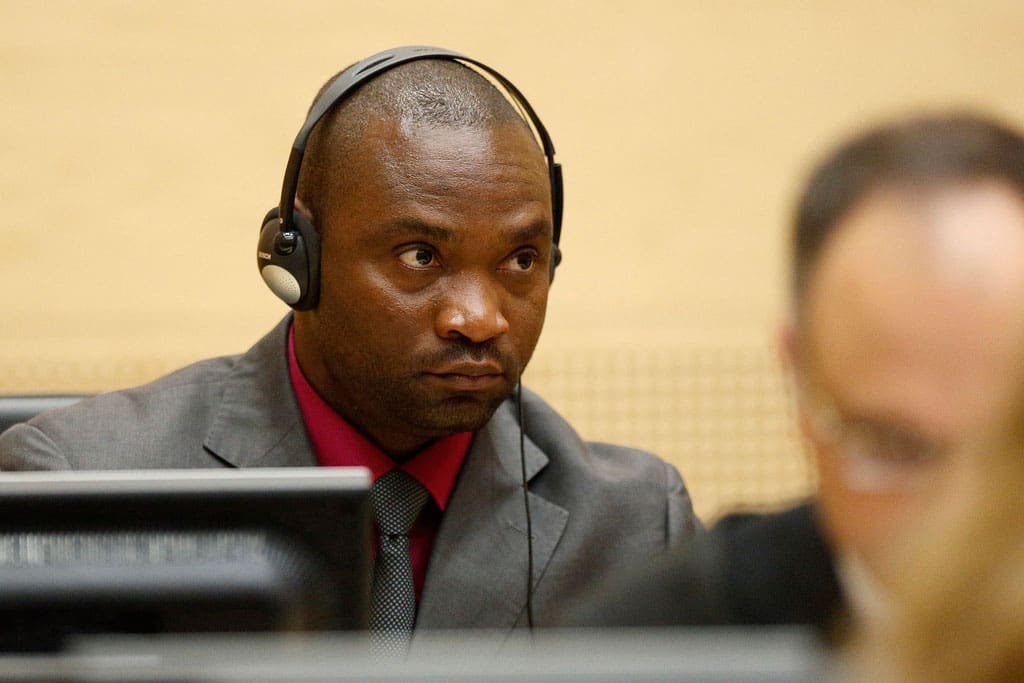
This conviction found Congolese warlord Germain Katanga guilty of being an accessory to one crime against humanity and four counts of war crimes, including murder, attacking a civilian population, destruction of property, and pillaging. Katanga now faces up to 30 years in prison when sentencing is passed down.
This case came out of fighting in the northern Congolese province of Ituri that lasted from 1999 to 2003. The violence in this diamond-rich region began as a struggle for control of land and resources, but quickly developed into an interethnic conflict that by its end left approximately 50,000 people dead. The specific charges against Katanga revolve around his role as a leading member of the Ngiti militia and this group’s 2003 attack on the village of Bogoro that left over 200 dead. He was convicted as an accessory to this violence because of his role orchestrating and supplying weapons for the attack. Also as a result of the trial Katanga was acquitted of one crime against humanity and three war crimes, including sexual slavery, using child soldiers, and rape.
This landmark decision was lauded by Secretary-General Ban Ki-Moon is a statement saying,
“This is an important verdict for the victims of these horrific crimes, for international justice, and for the fight against impunity in the Democratic Republic of the Congo.”
The split verdict of two to one came after a long six year trial. While the conviction builds on the Court’s credibility and its effectiveness in the wake of five other cases, it does little to address criticisms on the Africa-heavy caseload of the Court, the length and expense of trials, and the efficacy of the Court as an institution.


