
Originally published on the CGS blog on June 20, 2013.
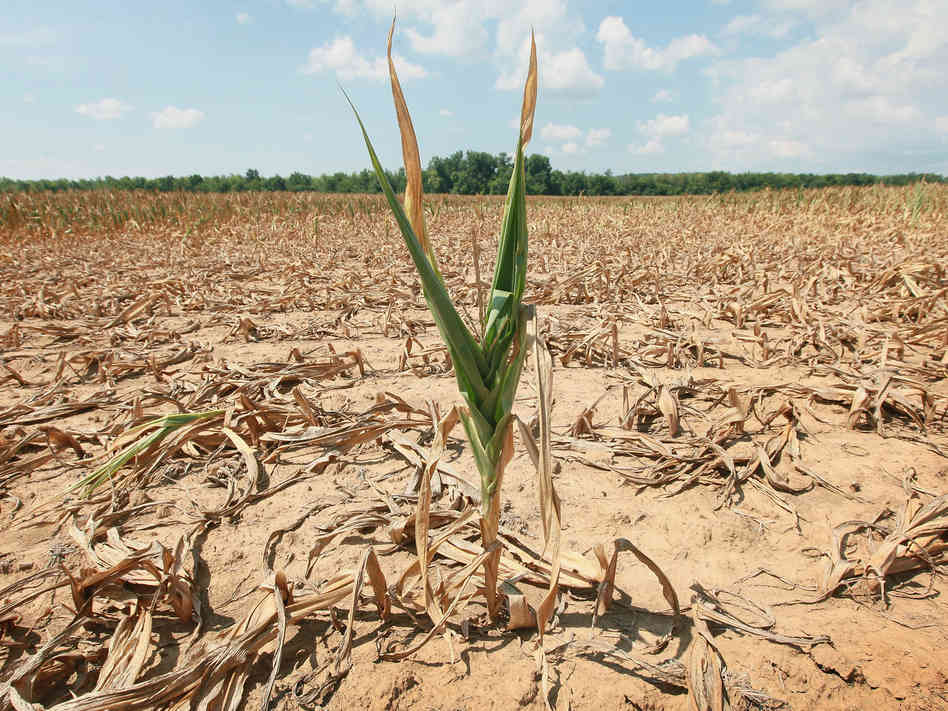
On June 17, 2013, World Day to Combat Desertification, UN Secretary General Ban Ki-Moon called for a collective global response to combat drought. He went on to explain the need to “shift from crisis management to drought preparedness and resilience.” This year’s theme for World Day to Combat Desertification was drought and water scarcity. The goal was to “create awareness about the risks of drought and water scarcity in the drylands and beyond, calling attention to the importance of sustaining healthy soils as part of post Rio+20 agenda, as well as the post-2015 sustainable development agenda.”
Desertification is a significant global ecological and environmental problem, caused by various factors, including climate change. Drought produces a large number of socio-economic impacts, as water is the key to life. The severity of droughts around the world affects agriculture, water supply, and human health. The spread of desertification has made populated regions more arid, which makes accessing vegetation and fresh water challenging. For instance, in Ethiopia, an estimated 8 million of Ethiopia’s 60 million people are at immediate risk due to drought (UNICEF estimates that 1.4 million of those at risk are children under five).
Of all the water on Earth, only 2.5 percent is freshwater. Of all this freshwater, the total usable supply for ecosystems and humans is less than 1 percent. Climate change is intensifying the circulation of water on, above, and below the surface of the Earth, causing drought and floods to be more frequent.
Not only are droughts more frequent, but they are also becoming more severe due to rising temperatures. Due to the aridity, areas are also more susceptible to disasters like wildfires. An increase in spring and summer temperatures have increased fire frequency by 400 percent and have increased the amount of land burned by 650 percent since 1970. The wildfires raging in the United States, due to last year’s drought, are considered to be the most extensive in the country since the 1950s.
In his speech, Secretary-General Ki-Moon stated that “the price of preparedness is minimal compared to the cost of disaster relief,” and encouraged countries to build resilience to droughts by implementing the outcomes of the High-level Meeting on National Drought Policy. Executive Secretary of the UN Convention to Combat Desertification, Luc Gnacadja, agreed, stating, “Investing in our resilience today costs a fraction of the relief price we will pay tomorrow and its benefits are worth far more. Becoming a drought-resilient global society is not only possible and affordable; it must be our first and only option.”


