Originally published on the CGS blog on June 12, 2013.
Twelve. That’s the number of times ABC, CBS, and NBC combined mentioned climate change in 2012. Does that surprise you? Shock you? Scare you? It should.
Though climate change is a global problem, it seems that the American public’s interest in the issue has cooled. According to a Pew Research Center report, as of January 2013, only 28% of Americans believe that dealing with global warming should be a public policy priority. While a respectable 52% say that protecting the environment ought to be a priority, the fact that these two response numbers are so divergent shows that the link between environmentalism and climate change has yet to be firmly established. To a large degree, the media’s silence on climate change is to blame for this disinterest.
In a Journal of Media Psychology paper, Dr. Stuart Fischoff makes the point that the “dealer-user paradigm” of the media’s relationship with the public prevents substantive coverage of important events from making it through the ratings sieve. Fischoff writes that in times of crisis, after the initial onslaught of expected coverage and “the alarm of an unfolding crisis fades, economics and competition quickly reassert themselves as the principal engines that drive media coverage and focus.” To put it simply, crises are only beneficial to the media in the short-run, or when there’s a plethora of sad-faced victims, bodies, and conspiracies to continually ruminate on for weeks on end.
Climate change, conversely, is a crisis that isn’t new or flashy. It doesn’t make crying widows or mourning communities bare themselves in front of the flashbulbs and cameras. It doesn’t have the imminence or vigor that other crises flaunt. And when communities are ravaged by the effects of climate change, the here-and-now dangers take precedence in the media over climate change; environmental disasters, believed by many scientists and laymen alike to be linked to the changing climate, are often blamed for their destruction while the underlying root of climate change is ignored. Hurricane Sandy devastated most of the United States’ eastern seaboard and even though the UN climate panel’s number two scientist said that the storm’s ferocity was likely caused by climate change, many in the media failed to publicize the link.
This is the problem: climate change isn’t sexy or popular or emotionally-manipulative. It’s looming, dangerous, and potentially-world ending, but because the media can’t milk it as a developing crisis, it’s not worth anything to them. By allowing this media silence to continue as the status quo, we are ceding global leadership on the issue to others unwilling or unable to take up the banner of climate change. Our responsibility within the international community is being shirked, and our legitimacy is diminished as each year progresses without substantial climate change coverage.
This year, we’re already on our way to another sad excuse for climate change coverage, with just six mentions. This can change. This must change. We will change it together.
If you believe the climate is worth saving and worth covering, then get involved here!
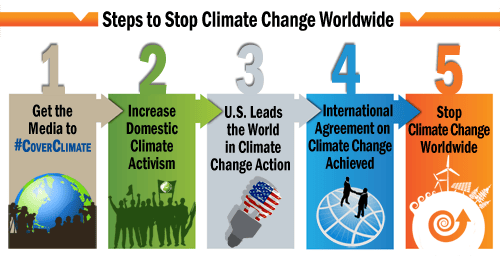
GlobalSolutions.org is committed to ending the media’s silence on climate change, but we can’t do it without your help. The #CoverClimate Campaign will fight to make the media cover climate change widely and responsibly. Increased media coverage generates public awareness of the issue, which begets progress in US policy. We cannot claim to be a world leader on sensible climate policy if we have no real track record on it. To make a difference in the world, we must first make a difference at home.