Originally published on the CGS blog on September 9, 2009.
According to documents recently declassified by the U.S. State Department, the Bush administration had tried to soften the draft language of an international treaty on “enforced disappearances”, in order to protect those involved in the CIA’s secret prison system.
The treaty, which had been supported by many prior U.S. administrations, was to bring an end to government-sponsored kidnappings which took place en masse in Latin America during the 1970s and 1980s, and apparently still occur in some parts of the world.
The draft treaty called for a wide ban on activity of this sort, but in 2004 the United States government pushed for a softer ban – a ban on intentionally placing people outside of legal protections for a long period of time. The US-recommended wording was criticized internationally for being too vague, and with ‘intentionality’ being hard to prove in court.
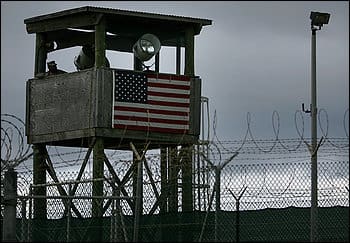
At the time, the CIA was holding a dozen or so prisoners in its secret prison system.
The treaty went ahead with the broader ban, and has been signed by some 80 countries around the world, not including the United States. A White House official said that the Obama administration is reviewing the U.S. position on the treaty, as part of a wider review of human rights treaties that the U.S. is not party to. However, the Obama Administration recently said that it will continue to capture and transfer suspects to third countries (‘rendition’) if it sees the need to do so.
The documents outlining this information were obtained by Amnesty International, who had made a request for these documents under the Freedom of Information Act.
Further details can be found at this article at the Washington Post.