Originally published on the CGS blog on July 8, 2011.

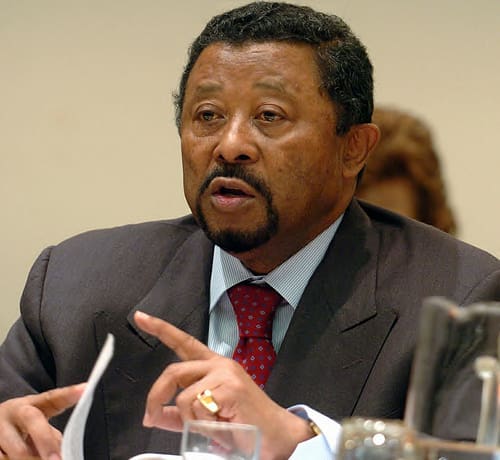
Last week, the African Union Chairman Jean Ping made a statement rejecting the International Criminal Court’s warrant against Mummar Gaddafi. This news has received extensive coverage in the press, but overlooks the main story: why are Ping and some African states defending a tyrannical leader that threatened to kill civilians indiscriminately, is alleged to have ordered his henchmen to use rape as a weapon, and prohibits the people’s right to protest?
Anti-Court sentiments in Africa are a complete departure from its vocal support when the judicial body was created. African nations were instrumental in the negotiations for the creation of the ICC, wanting to use the Court as a platform to bring international attention to problems facing their countries. Thirty-one African states are signatories to the ICC, making it the most well represented continent that agreed the world needed a permanent judicial body to protect human rights and bring justice for victims of state-sponsored violence. These African nations understood that international cooperation is essential to building a safer, more secure world.
What Chairman Ping fails to mention is that the Central African Republic, the Democratic Republic of Congo, and Uganda, the first three countries to be investigated by the ICC, asked the Court to discover if grave crimes had been perpetrated in their countries. The ICC isn’t solely focused on Africa; it is pursuing active preliminary investigations in Afghanistan, Columbia, Georgia, the Occupied Palestinian Territories, Honduras, Korea, Iraq, and Venezuela.
In his statement against the ICC, Ping also claimed that the arrest warrant complicates the negotiations for political and military settlements in Libya. These are essential steps in healing the country from the terror they experienced in the Gaddafi regime. However, if these agreements permit Gaddafi to slink off to an exile in a palatial estate, far from the grasp of the rule of law, justice will not be served for the victims of his crimes. Seeking a cease-fire to hostilities, establishing a fair political process, and holding Gaddafi accountable to the Libyan people are not mutually exclusive, and in fact are all achievable goals.
This isn’t the first time the AU has dismissed an ICC warrant. When the Court found it had enough evidence to arrest Sudanese leader Omar al-Bashir, the AU also ignored calls to bring him to justice. According to the Coalition on the International Criminal Court, Gaddafi, who was the AU Chair at the time, pressured other countries into opposing the warrant, by threatening foreign ministers, censoring emails, and blocking faxes so that the resolution opposing Bashir’s prosecution couldn’t be challenged. Considering this history of silencing opposition to the ICC’s warrants, it wouldn’t be surprising if the statement by Chairman Ping isn’t the opinion of all member nations of the AU.
Botswana is one such country that has come out publicly to state it doesn’t support Ping’s position. The Foreign Ministry of Botswana took a stand in support of bringing Gaddafi to justice. The statement said,
“Botswana wishes to reiterate her position in support of the warrant of arrest. This decision was not reached lightly. State-sponsored violence and blatant human rights violations by the Gaddafi regime on its own people, which started in February this year, continues unabated to this day.”
While Chairman Ping focuses on the ICC prosecuting grave crimes in Africa, he should remember that he represents the interests of the African people, who deserve to see leaders like Gaddafi get his day in court, and not those of despotic rulers that terrorize their citizens.