Originally published on the CGS blog on July 30, 2009.
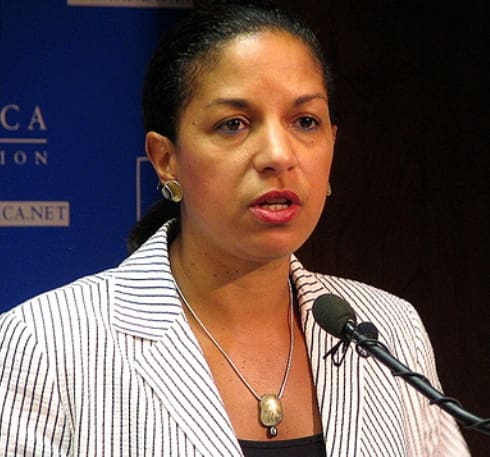 The House Committee on Foreign Affairs held a hearing on July 29 with Ambassador Rice to address questions on the status of United Nations peacekeeping operations around the world. The ambassador discussed the challenges that still hobble peacekeeping. She spoke of a “gap between supply and demand,” implying that there is far more need for peacekeeping operations than there are resources within the U.N. to meet those needs. When asked about what, if anything, peacekeeping operations accomplish, the ambassador spoke of how countless lives have been saved, and how local conflicts have been prevented from spreading because of peacekeeping.
Following the Committee hearing, two panels discussed the challenges of peacekeeping. The first panel included Bret Schaefer, writer for the conservative think tank The Heritage Foundation. Mr. Schaefer noted the importance of peacekeeping in the world, stating that it is vital that these operations get the resources they need to effectively accomplish their missions.
Ms. Erin Weir of Refugees International participated in the second panel. She spoke at length of the important new concept that has been the focus of much discussion at the United Nations, The Responsibility to Protect. This norm, which every U.N. member has endorsed, professes that countries have a right and a duty to intervene in foreign instances of genocide, war crimes, ethnic cleansing, and crimes against humanity.
What was most encouraging was that the focus of the day was not whether the U.N. should engage in peacekeeping operations at all, but how these essential missions can be improved.