
Originally published on the CGS blog on November 5, 2014.
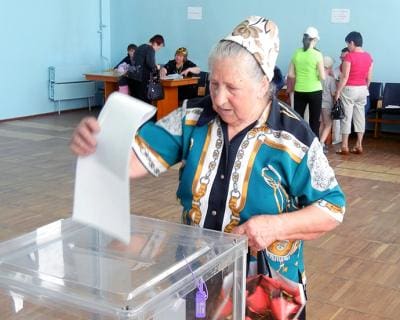
This past weekend, residents in Eastern Ukraine went to the polls to vote in leaders to pave the way for independent states in this war-torn region. Thousands came out to support creating an autonomous region with closer ties to Russia. The elections further illustrate the extreme differences felt by the people in Ukraine, raising tensions in the current conflict and worsening the relations between Russia and the West.
Already, Ukraine has witnessed many exacerbating events, from the annexation of Crimea to the downing of MH-17 and Russia’s meddling in the conflict. The conflict in Ukraine, according to the United Nations, has killed an estimated 4,000 people and has forced many to flee their homes.
With a fragile ceasefire in place, the elections only make this volatile situation worse. Many who came out to vote saw the elections as a first step towards peace, but also as an act of vengeance towards Ukraine for the damage caused by the war. The controversial elections took place in the Luhansk and Donetsk regions with backing from the Russian government, who say that this election serves as a way to facilitate dialogue between the two sides.
In the West, the elections were strongly deplored and viewed more as an act of aggression that would further “undermine the Minsk protocol and memorandum” and “breach the constitution and national law” of Ukraine, according to UN Secretary-General Ban Ki-moon. In Ukraine, Foreign Minister Pavlo Klimkin claims the elections will essentially keep the sides polarized, causing further “economic and political deadlock,” and suffering for those who live there, as violence will likely increase. With the West condemning the elections as illegal and an instigation, the divide between the two parties grows.
It remains unclear how the west will continue to respond to this precarious situation. So far, sanctions have continued to hurt the Russian economy, but that has not stopped Russia from supporting and aiding the rebels in Ukraine. These past elections have further threatened to end the ceasefire agreement, with some rebels planning to take more territory back from the government. Despite Ukraine not being a member of NATO, this crisis has been the organization’s first real test since the downfall of the Soviet Union in 1991.
The elections will have a tremendous impact on the outcome of the crisis, deteriorating the relations between the West and Russia and hindering any resolve towards the unification or peace of Ukraine. The vehement denial by Russia of any instigation and supplying of rebel soldiers only escalates the situation, with constant troop movements and convoys crossing into Ukraine with ease. It has been reported that there are at least 20,000 Russian troops on the border and at least a couple hundred within Ukraine. Despite these facts, it is evident that Ukraine will not relinquish any more regions in efforts to exert their sovereignty and keep the country whole.
Unfortunately, the elections seem to cause more harm than good for Ukraine. The situation remains fluid, but hopefully Ukraine, the rebels, and Russia can negotiate toward finding a solution to prevent further conflict from destabilizing the region and hurting the livelihoods of people caught in the conflict. The next couple of weeks are critical because if these nations act as autonomous regions without Ukraine’s concurrence, then we may see the ceasefire cease to exist and an all-out siege emerge against these breakaway regions. Already we are seeing movements of Ukrainian troops toward these regions. The elections have already illustrated Eastern Ukraine’s desire to be independent; let’s just hope that they don’t exacerbate the crisis and that peace agreements and settlements can still be reached.


