Originally published on the CGS blog on December 18, 2015.
December 18 was set by the UN General Assembly to call attention to the role of migrants in the world society. The date was chosen to mark the creation of the International Convention on the Rights of All Migrant Workers and Members of their Families. The aim of the Convention was to ensure that migrants and their families would continue to be covered by the human rights standards set out in the Universal Declaration of Human Rights, the Covenants, and other human rights treaties.
In practice, migrants are often “between two chairs”–no longer of concern to the State they have left and not yet covered by the human rights laws of the State to which they have gone.
Ratifications of the convention have been slow, with several governments making reservations that generally weaken its impact. In 2004, a commission of independent experts was set up to study the reports of governments to the UN on the application of the convention–a commission that is part of the human rights treaty bodies. Reports from each government party to the convention are to be filed once every four years. However, the discussions within the migration treaty body and its subsequent report attract the attention of only a small number of people. The discussion deals with the report of only one government at a time, while migration is always a multinational issue and can have worldwide implications.
Moreover, many States consider that earlier International Labour Organization conventions deal adequately with migrant rights and see no need to sign a new convention.
Citizens of the world have stressed that migration flows have an impact on all countries. The changing nature of the world’s economies modify migration patterns, and we need to plan for migration as the result of environmental and climate changes.
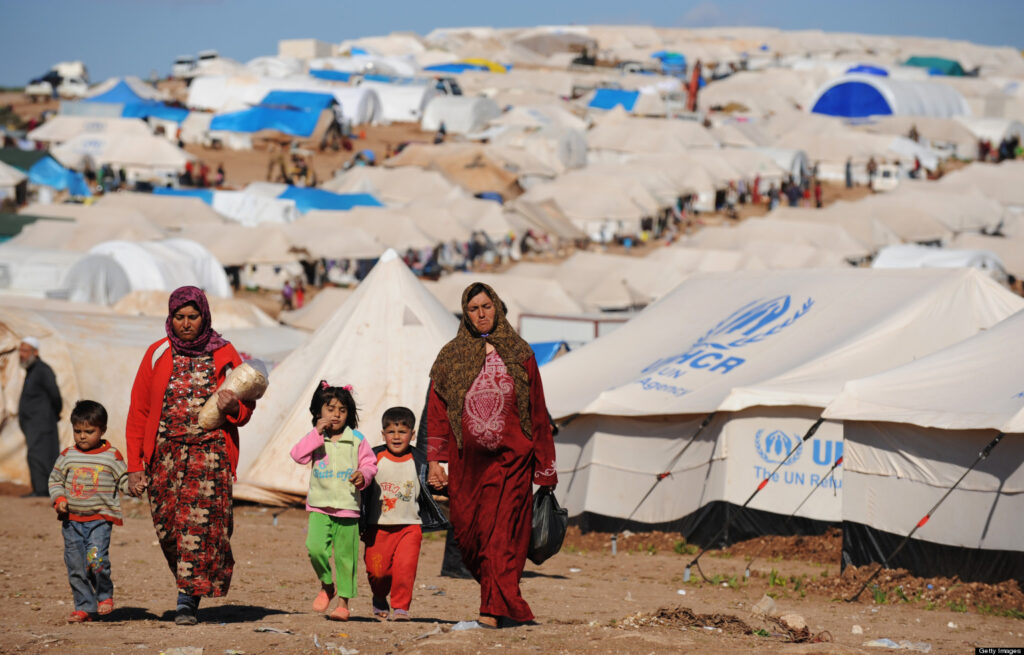
The current flow of migrants and refugees to Europe has become a high-profile political issue. Many migrants come from areas caught up in armed conflict: Syria, Iraq, Yemen, Afghanistan, Somalia. The leaders of the European Union (EU) have been divided and unsure in their responses. Local solidarity networks that offer food, shelter, and medical care are overwhelmed. Political debates over how to deal with the refugees have become heated, usually with more heat than light. The immediacy of the refugee exodus requires our attention, our compassion, and our sense of organization.
EU officials have met frequently to discuss how to deal with the migrant-refugee flow, but a common policy so far has been impossible to establish. At a public level, there have been expressions of fear of migrants, suspicion of possible terrorists among them, and rejection of their cultures. These popular currents, often increased by far-right politicians, make decisions all the more difficult. An exaggerated sense of threat fuels anti-immigration sentiments and creates a climate of intolerance and xenophobia.
The Association of World Citizens, which is in consultative status with the UN, is calling for a UN-led world conference on migration and refugee issues, following earlier UN world conferences on the environment, food, housing, women, population, youth, human rights and other world issues. Such conferences usually follow a common progression:
- Research and data collection by UN agencies, national governments, NGOs, and academic institutions;
- Regional meetings to study the regional dimensions of the issue;
- A world conference of government representatives and consultative NGO participants that sets a plan to influence action by UN agencies, national governments, and NGOs.
Only a UN-led conference with adequate research and prior discussions can meet the challenges of worldwide migration and continuing refugee flows. There is a need to look at both short-term emergency humanitarian measures and at longer-range migration patterns, especially at potential climate modification impact. A world conference on migration can highlight possible trends and start to build networks of cooperation to meet this world challenge.