Originally published on the CGS blog on November 5, 2009.
As the clock on the Kyoto Protocol is ticking down to expiration, the importance of the upcoming U.N. Climate Change Conference in Copenhagen is growing. A multilateral, enforceable treaty, setting limits on carbon emissions would be the ideal outcome. However, as the dates for the conference are getting closer, the actual goals are getting smaller. On October 28, 2008, U.N. Secretary General, Ban Ki-moon said that the conference could still be a success without its creation of a legally binding agreement. He encouraged ambitious political agreements, with details to be worked out later. Part of the reason for this is because of the current conflict between developing and developed nations.
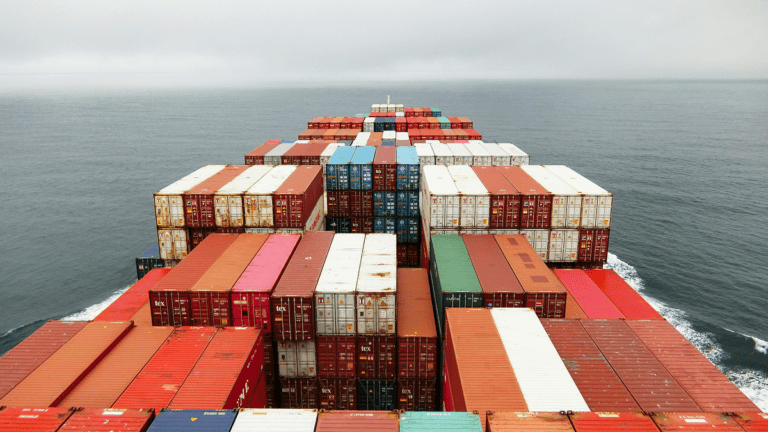
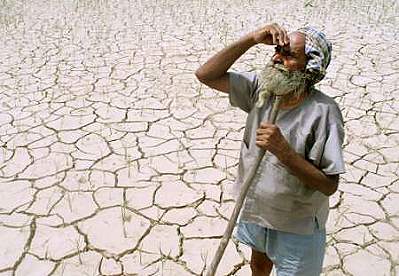
It is no secret that developed nations have much larger emissions than developing countries. However, the effects of these emissions are hard-hitting on the developing nations, the ones that often do not have the resources to provide health care to their people, let alone fight the negative impacts of climate change. In the meantime, developed countries are trying to enforce “sustainable” development around the world so that the inevitable increase in carbon emissions from industrialization does not occur as development progresses. However, a major paradigm in the development field is that economic growth must be a priority, and the environment can be fixed later when development has been achieved. Also, the current developed countries certainly did not even consider sustainable development during their plight for economic growth. While I do not ascribe to this vision of development (and I do believe more and more people are starting to see the problems with this type of thinking), it is a standpoint that many nations have taken. In the meantime, the developed world is trying to stop unsustainable development so that the damage done by the developed world in achieving economic growth does not occur in this new push for development. While, I do believe it is crucial to regulate emissions in the developing world, what gives the developed world the moral authority to intervene and tell these struggling countries what to do? Development has been riddled by failed foreign intervention, and massive international aid projects that do not get resources to the right people. For years, the West has been telling developing nations what they need, instead of actually asking these nations what is important to them, is it really going to be any different this time around?
In saying this, I am not saying that developing countries do not care about the environment, because that is simply not true. I am saying that the developed world’s push to force sustainable development on poor countries may not be the best approach. There are probably local, sustainable development movements in the vast majority of countries, such as the Landless Workers Movement (MST) in Brazil, or Navdanya in India. Perhaps the best way to reduce carbon emissions globally is not to enforce strict measures on the developing world (that they may not be able to meet), but to support local movements that are fighting the causes of environmental degradation and climate change in their regions. These movements are usually not only environmental movements, but also fights for equality and human rights in regions were the poor are continuously marginalized. By supporting these movements, the developed world can not only take a stand against climate change, but also against persistent injustices in the developing world.