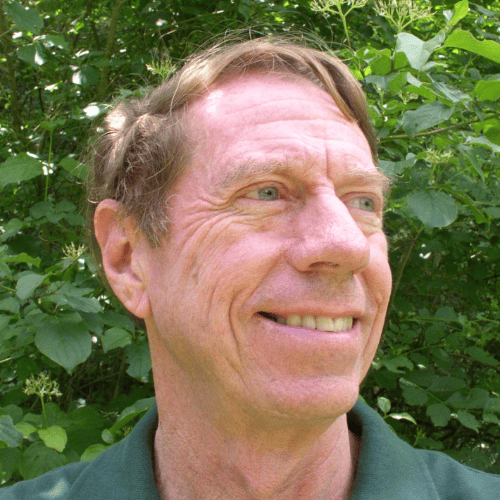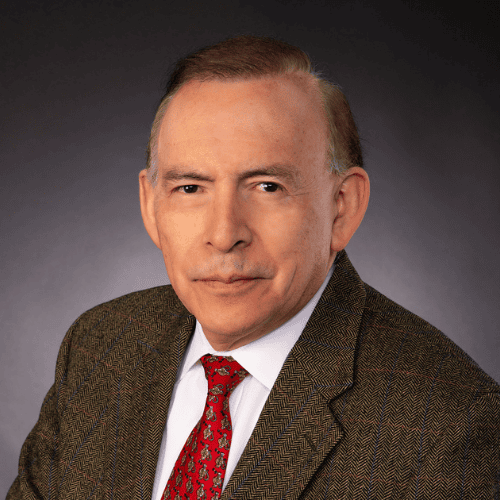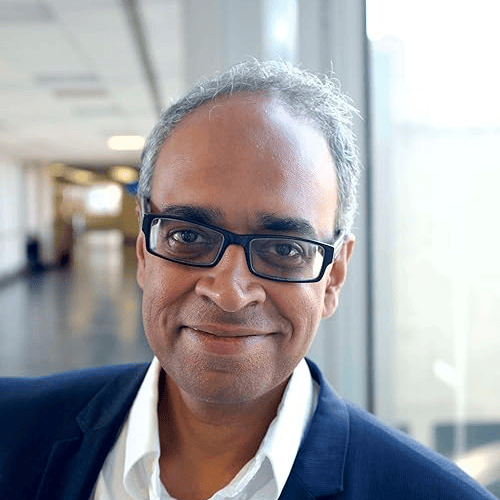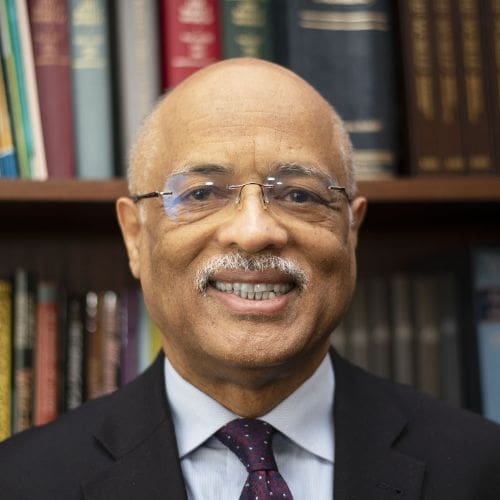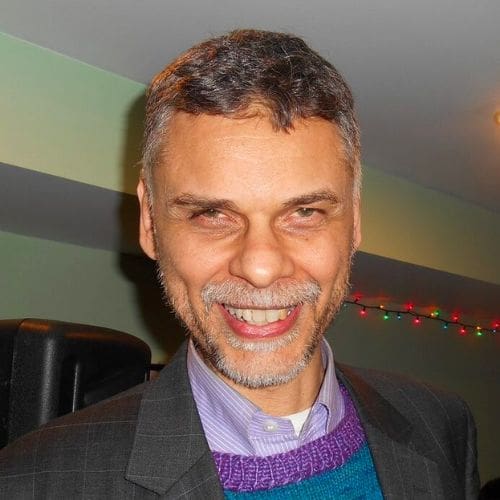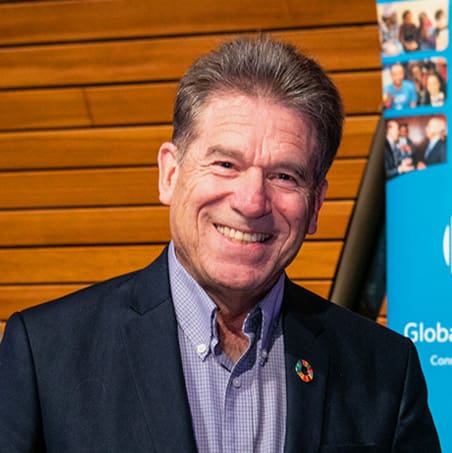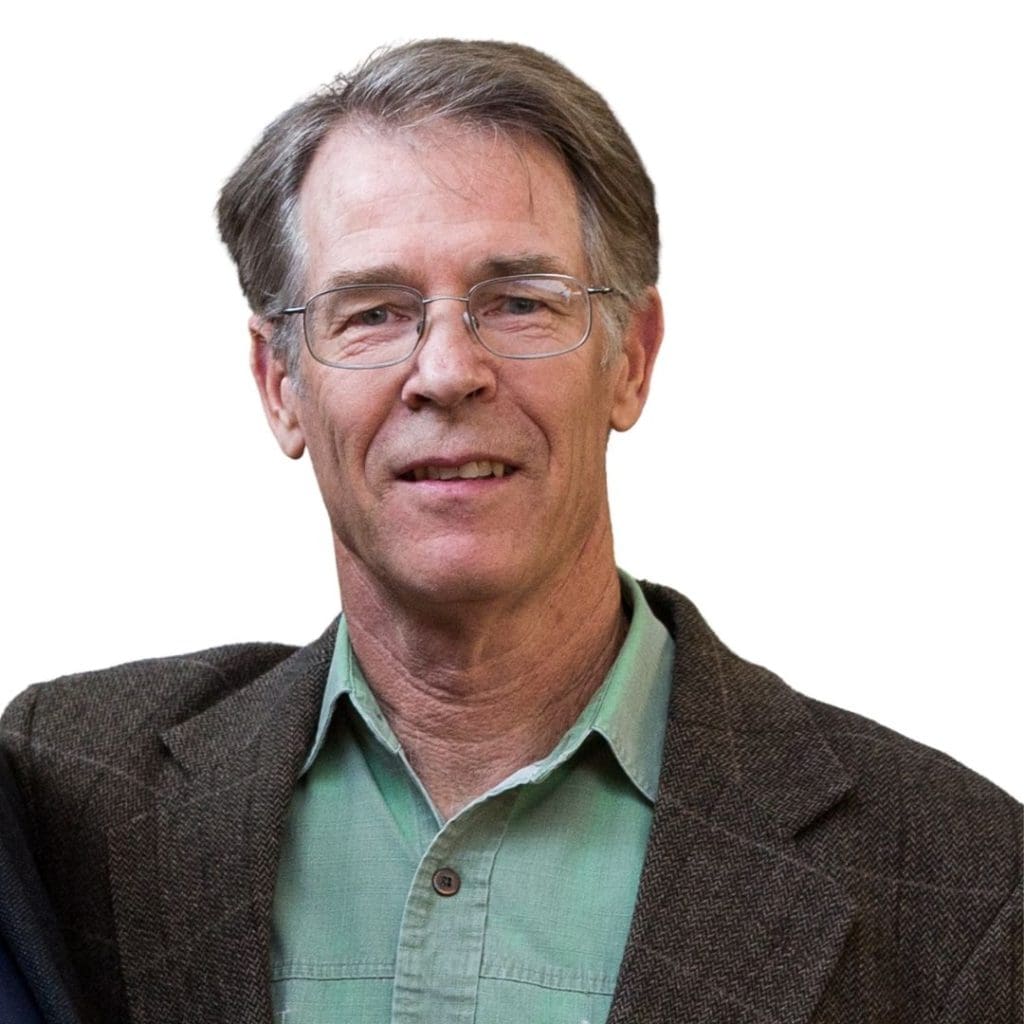
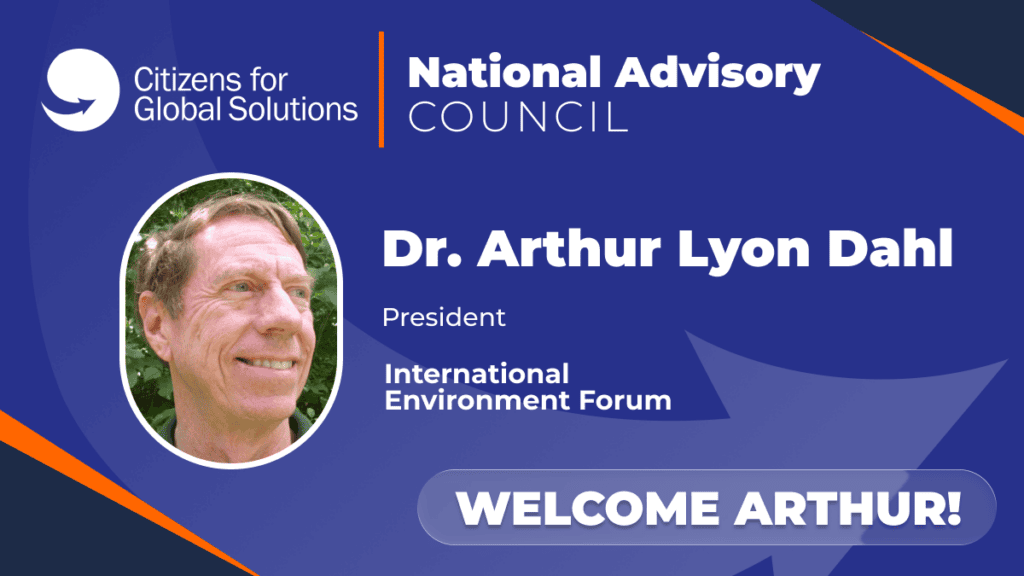
Citizens for Global Solutions (CGS) is pleased to welcome Dr. Arthur Lyon Dahl as the newest member of our National Advisory Council (NAC). A leading voice on global environmental governance, United Nations reform, and sustainable development, Dr. Dahl brings decades of experience working at the intersection of environmental science, international institutions, and global cooperation.
Based in Geneva, Switzerland, Dr. Dahl is President of the International Environment Forum and a retired Deputy Assistant Executive Director of the United Nations Environment Programme (UNEP). During his career with UNEP, he served as Deputy Director of Oceans and Coastal Areas in Nairobi and Coordinator of the UN System-wide Earthwatch in Geneva.
An environmental scientist specializing in coral reefs, Dr. Dahl spent 11 years in New Caledonia as Regional Ecological Adviser to the Pacific Islands and helped organize the Secretariat of the Pacific Regional Environment Programme (SPREP). He also served in the secretariat of the landmark 1992 Rio Earth Summit, where he contributed to drafting the Oceans chapter of Agenda 21.
His engagement with international environmental governance spans more than five decades. He participated in the 1972 UN Conference on the Human Environment in Stockholm, the 2002 World Summit on Sustainable Development in Johannesburg, Rio+20 in 2012, Stockholm+50 in 2022, and major UN Climate Change Conferences, including COP15 in Copenhagen and COP21 in Paris.
Dr. Dahl’s scholarship has increasingly focused on the institutional reforms necessary to respond to challenges that transcend national borders. He co-authored Global Governance and the Emergence of Global Institutions for the 21st Century and, with Sylvia Karlsson-Vinkhuyzen, Towards a Global Environment Agency: Effective Governance for Shared Ecological Risks. His recent work focuses particularly on United Nations reform and global environmental governance.
He currently serves on the Steering Committee of the Climate Governance Commission and the Academic Council of the European Center for Peace and Development, and chairs the Religion and Environment Working Group of the G20 Interfaith Forum. A lifelong member of the Bahá’í Faith, he has also devoted significant attention to the relationship between science, ethics, religion, and humanity’s responsibility for the planet.
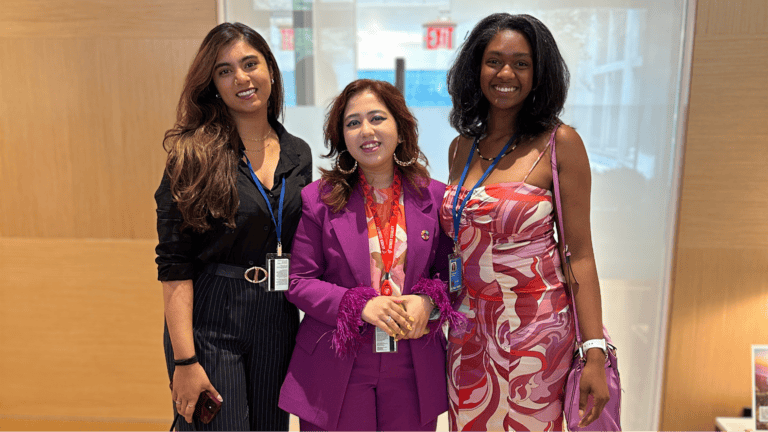
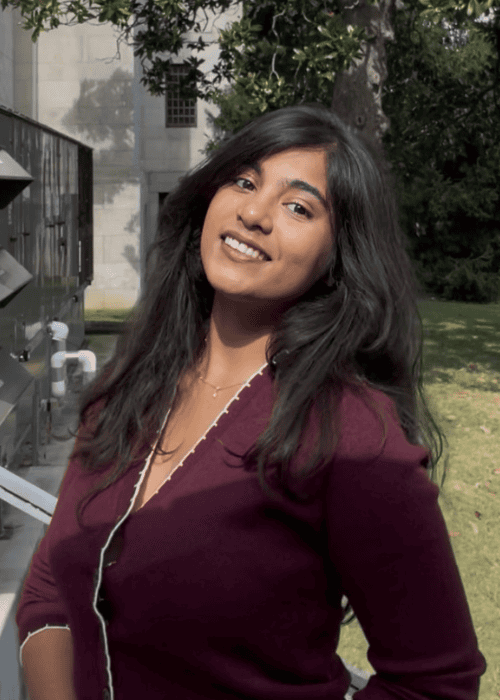
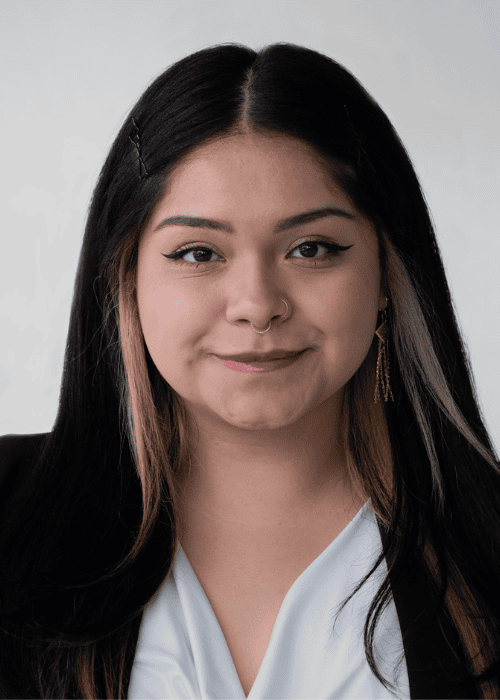
To welcome Dr. Dahl to the National Advisory Council, Drea Bergman, CGS Secretariat member, asked him about the future of global governance, world federation, and our shared environment.
Drawing on your decades of experience in environmental governance and the United Nations, why do you believe stronger forms of global governance, including the idea of democratic world federation, are increasingly necessary to address shared challenges such as climate change, biodiversity loss, and other planetary risks?
From a science perspective, our planet is a single Earth System with one atmosphere, a united ocean system, complex interrelated ecosystems with high biodiversity, powered largely by the flow of solar energy, which together maintain an environment suitable for life, including our own.
We have invented technologies for communications, transportation, industry, agriculture, economic transactions and trade that have eliminated all barriers within that Earth system, making world unity both possible and necessary, yet we are trapped in a governance paradigm of national sovereignty from earlier times, competing for resources and generating conflicts that could destroy our civilization.
The only reasonable solution is to create global governance for the common good that is the Earth system we depend on, while implementing subsidiarity in governance to ensure national autonomy in meeting needs responsibly within those planetary boundaries, and empowering local communities to read their own reality, assess their capacities and resources, and undertake the necessary social actions.
We need values that accept a higher human purpose than material satisfaction, building on our capacity to cooperate, to be trustworthy, to refine our character, and to place service to others above selfish interest. Above all, we must accept that we are a single human family in all our diversity, building a multi-level governance system including world federation in which all participate, that leaves no one behind.
Drawing on your work with UNEP and decades of experience in global environmental governance, what opportunities do you see for strengthening international institutions and cooperation to more effectively address shared environmental challenges and build a more sustainable future?
We have inherited international institutions that are trapped in the paradigm of national sovereignty, expressed as the consensus rule in negotiations and the veto in the Security Council, ignoring the science and holding us to the lowest common denominator defended by political power and vested interests.
Even when agreement is reached, there is no power of implementation. Ideally, if the great majority of nations acknowledge that the multilateral system is broken, they should call for a UN Charter replacement conference and build a better system on top of the present one, even if some countries hold back for a while. We can keep all that we have learned from the UN and conventions while finally making progress in resolving environmental challenges.
There is already a lot being done at the regional level and within various environmental agreements, but still within silos, and on some issues we are going backwards. It may take a global crisis situation to finally overcome the resistance and blockages, whether the climate catastrophe now unfolding, an economic collapse as the debt bubble bursts, or even a third world war, but we should prepare to move forward quickly to save what we can of the remaining environmental resources and services, and regenerate them as quickly as possible.
Our proposal to make Earth System governance the fourth pillar of the UN, and to create an effective global environment agency upgraded from UNEP, go in this direction. We should prepare for the worst, but also retain hope in a better future.
We are honored to welcome Dr. Arthur Lyon Dahl to the CGS National Advisory Council and look forward to drawing on his extraordinary experience as CGS continues exploring how stronger global institutions can contribute to a more peaceful, just, democratic, and sustainable world community.
Stay connected
- Subscribe to CGS eNews for a monthly email on what the movement is doing and what comes next.
- Follow Field Notes on LinkedIn for dispatches on building democratic, accountable cooperation across borders.
- Browse Insights for expert analysis, policy updates, and commentary from across the CGS network.