|
|||||||||||
Blog TagsBlog Archive
Subscribe!Search This Site: |
08/23/2010 - 5:31pmNew START and Senate Processes: A Critique of Last Resort?Posted by Meg McDermott
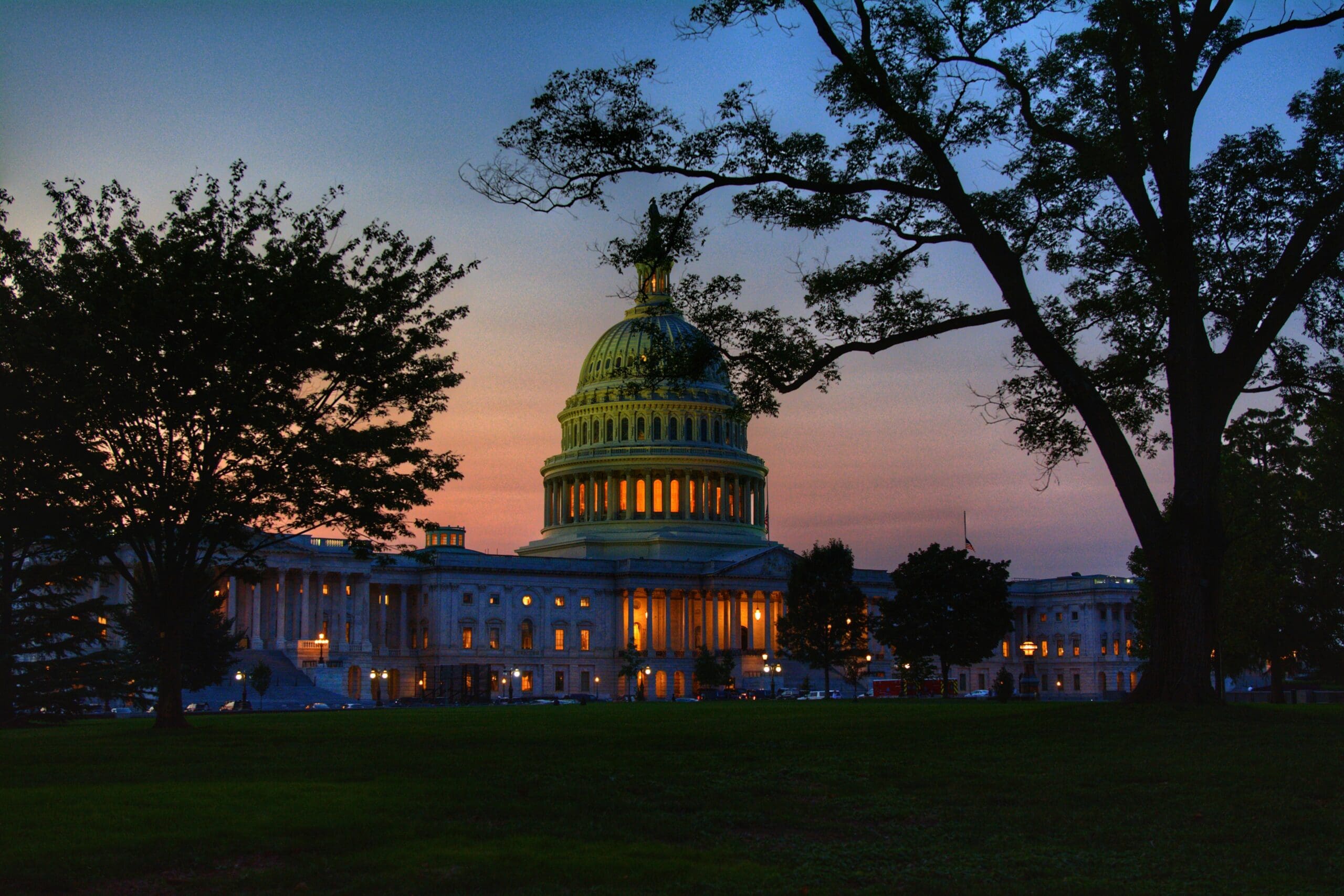
Stephen Rademaker’s recent piece in the Washington Post is the latest in a series of offensives against the New START treaty with Russia. He falsely Rademaker says that critics of the treaty have been unfairly excluded from the process, but the evidence is to the contrary. Claiming that Senate leaders haven’t given Republicans time to formally file their complaints with the treaty is a criticism of last resort. There have been 20 hearings, three classified briefings and almost 800 questions asked on the record. There have been countless meetings between concerned Senators (primarily Republicans) Secretary Clinton, Vice President Biden, and various members of the negotiating team. The negotiating record on missile defense was shared with the Senators who asked for it, even though Senator Kerry pointed out that the precedent for this practice is minimal and should be repeated only with caution. That sentiment goes as far back as George Washington, who firmly opposed sharing a treaty’s negotiating record. Senator Kerry, Chairman of the Senate Foreign Relations Committee, specifically delayed the vote from August until September to give Senators who weren’t sure how they felt about new START more time to come to a decision. After announcing the delay, he said: "If we forced a vote today, I would have won. But I would have angered some people and made them feel they weren't being included," Kerry said. "I think it's important to build a broader consensus." Kerry has already solicited input from Senators on the resolution of ratification, which is exactly what Rademaker insisted must be done. Rademaker’s article makes a serious omission in its discussion of the negotiations between the administration and Republican senators who want the most bang for their “yes” vote. The issue of funding for nuclear modernization has taken center stage in the informal negotiations, with Senator Kyl and others demanding billions in nuclear pork in exchange for a yes vote on New START. Even though the administration already proposed almost historic funding for modernizing the nuclear weapons complex, Republicans are trying to squeeze out more dollars. But few Senators have been openly critical about the treaty, and most of them have not made any specific demands. The majority of Republicans are hiding in the shadows on the issue, and Senators Corker and Kyl are doing their dirty work. Complaining that Senators have not been given the opportunity to express their reservations on the treaty is ironic, given that Rademaker’s intent is to support ongoing efforts of Republican obstructionism in the Senate. Opponents of the treaty – like Rademaker – are clearly struggling to escape the resounding support in favor of New START. The list of respected foreign policy and arms control experts from both sides of the aisle who support New START seems never ending. They all say that the treaty is necessary to our national security. Why shouldn’t we believe them? The delay in ratification only increases the time that will pass before we can get our hands on information about Russia’s nuclear program. Instead of relying on complaints from obstructionists about mundane Senate procedures, we need Senators to do the right thing and put national security over partisan games. 08/05/2010 - 4:51pmMaroon 5 Drops F-Bomb to oppose Dropping the H-BombPosted by Douglass Butler
Two members of Maroon 5, a widely popular American rock band, recently taped a PSA in support of new-START and the film Countdown to Zero. They are part of a growing number of musicians who have spoken out in support of the new-START treaty. You can watch the video below. The video is somewhat NSFW and includes questionable content, but it's ok to drop the f-bomb if it is supporting a nuclear weapons free world.
You can find more Musicians supporting new-START HERE.
To take action now visit the new-START treaty page on Facebook. 08/05/2010 - 3:06pmLessons from HiroshimaPosted by mgimbel
The invention of the bomb was one of many regrettable byproducts of a world at war. Bertrand Russell and Albert Einstein drafted a resolution in 1955 giving warning to the threat of nuclear war. They urged governments to “find peaceful means for the settlement of all matters of dispute.” There is greater demand than ever before for governments to find peaceful ways to settle disputes, often through treaties and international institutions. Despite the positive trend, there are still thousands of nuclear weapons looming in the arsenals of a handful of nations. These weapons have evolved significantly over the years. The codenames for the bombs dropped on Hiroshima and Nagasaki were “Little Boy” and “Fat Man” respectively. Today we are dealing with weapons of morbid obesity. One of the most daunting threats to the continued survival of our world is nuclear war. Since nuclear weapons cannot be “un-invented”, we need to find the political will to confine them to the pages of history books. Political will is needed for nations to trust each other. It is needed for politicians to ratify treaties. Without it we cannot safely guarantee that we will be commemorating the 75th anniversary of Hiroshima. 07/13/2010 - 1:32pmMisconceptions About Missile Defense: The Truth About the New START TreatyPosted by Michael Crabtree
As the hearings on the New START Treaty continue in the Senate Foreign Relations Committee, support for the treaty has come from many sources, including the United States military. Gen. Kevin Chilton, U.S. Strategic Command Chief and the man responsible for the country’s nuclear forces, presented both financial and tactical reasons for ratification. Without the treaty, U.S. insight into Russian nuclear capabilities would be severely limited. Guesstimates would replace concrete Intel, leading to one of two possibilities:
Considering the budgetary quagmire the U.S. is currently faces, we can ill afford an unnecessary and unwarranted spending spree. Does this treaty endanger America’s National Security? But with a vocal minority up in arms over perceived limitations to missile defense, suspicion abounds that the New START treaty will critically hinder U.S. defenses. Are these concerns warranted? The answer is a resounding no, and it has been reiterated by steady stream of military officials and foreign policy experts from both political parties. During his testimony before the SFRC, Secretary of Defense Robert Gates emphatically noted, "The treaty will not constrain the United States from deploying the most effective missile defenses possible nor impose additional costs or barriers on those defenses." At another SFRC hearing, Senator Lugar (R-IN) said “Yesterday, our treaty negotiators told us that missile defense language, including the unilateral Russian and American statements accompanying the New START Treaty, in no way inhibits future missile defense deployments.” As an afterthought for those conspiracy minded individuals who stubbornly resist ratification, the Senator added “And there are no secret deals with Moscow on missile defense.” While a renewed treaty with Russia certainly appears to be in the best interest of the United Sates, the threat of a nuclear exchange between these two nations seems remote. Does this treaty take into account the threat posed by rogue states such as Iran or North Korea? According to Kerry (D-MA), Co-Chair of the SFRC, it does indeed. “Numerous witnesses, including the Secretary of Defense and the Chairman of the Joint Chiefs of Staff have testified that the treaty will not affect America's ability to defend itself from an Iranian or North Korean missile now or in the future.” These statements hardly leave room for ambiguity. The result of these hearings will reach far beyond the partisan gridlock that currently plagues Washington. The New START treaty allows us to renew and strengthen our relationship with the other major nuclear power. Considering the United States and Russia possess 95 percent of world’s nuclear weapons, a firm commitment for verification and reduction is essential to peace and security for both nations. Following the end of the Cold War and passage of START I, the two countries have witnessed the benefits of mutual cooperation. START I created a watershed moment for the two nuclear powers. “Since Russia and the United States no longer presented an existential threat to each other,” explained Sen. Kerry, “they now had a common interest in cooperating to make their nuclear deployments smaller, safer, and more secure.” The New START Treaty stands poised to continue this positive momentum built up over the last two decades. This security extends beyond the here and now. As gravely noted by Henry Kissinger during his testimony before the SFRC “This Committee's decision will affect the prospects for peace for a decade or more.”
Support New START? Join the New START Treaty's Week of Action. 07/08/2010 - 1:30pmHow Romney Got It Wrong: The Truth About the New START TreatyPosted by Michael Crabtree
Mitt Romney, former Massachusetts governor and failed presidential contender, now sets his sights on the 2012 election. He has decided the best way to secure the nomination is to ramp up the crazy.
Romney took to the Washington Post to decry the New START treaty currently making its way through the Senate Foreign Relations Committee. Rather then add substantively to the debate, the former governor trotted out the same tired arguments that treaty opponents have been bleating since Senators Kerry and Lugar began hearings over two months ago. From Senator Inhofe and DeMint to the Heritage Foundation, Republicans focused on what they view as a glaring flaw in the treaty, missile defense. They claim the treaty will severely limit the development of a U.S. missile shield, and will signal to hostile powers that America lacks the will to defend itself. There’s one problem with these claims: they are flat out wrong. Romney’s argument follows the rich tradition driving the Republican Party right now. The tea-partiers and other fringe groups require a certain level of cocksure militarism. Just look at McCain in 2008, with his impromptu hit song “Bomb Iran” set to the tune of the Beach Boy’s “Barbara Ann.” It evoked a jingoistic swagger that the Republican base ate up, akin to G.W. strutting on an aircraft carrier in his flight suit and codpiece. After all, what could be the harm in starting a third war with a far better equipped country while still hemorrhaging resources in America’s two current wars? Numerous witnesses have repeated in SFRC hearings that the New START Treaty will not constrain missile defense in any way, shape, or form. Period. Seriously, look it up. Bi-Partisan support for the treaty makes this crystal clear. An op-ed written by under secretary of Defense for Policy and in collaboration with the under secretary of Defense for Acquisition, Technology & Logistics stated: “The fact is that the treaty does not constrain the U.S. from testing, developing and deploying missile defenses. Nor does it prevent us from improving or expanding them. Nor does it raise the costs of doing so.” This doesn’t sound like the Neville Chamberlain capitulation that Mitt Romney rails about in his piece. But is it an isolated opinion? The answer is a resounding no, unless, like Romney and friends, you choose to ignore the opinions of authorities like Robert M. Gates, Adm. Mike Mullen, Hillary Clinton, or the 30 top National Security leaders that came out in support of ratifying the treaty. In this post 9/11 world, it’s interesting how quickly certain individuals revert to a Cold War mentality. In Romney’s article, he cursorily mentions rogue nations like Iran and North Korea, and doesn’t bother to discuss terrorist groups seeking to construct a dirty bomb. Instead it’s right back to the arms-races. Romney claims that “New-START gives Russia a massive nuclear weapon advantage over the United States,” noting the disparity of Russia’s arsenal of tactical nuclear weapons that currently outnumbers the United States by 10:1. He observes that while they cannot strike America “surely they can reach our allies, nations that depend on us for a nuclear umbrella.” An interesting observation. The nuclear umbrella and the security provided by the U.S. and NATO have allowed European nations to invest in social programs rather than defense. Is this in the best interest of American citizens? Representatives Barney Frank and Ron Paul noted, “After World War II, with…the Soviet Union becoming increasingly aggressive, America took on the responsibility of protecting virtually every country that asked for it. Sixty-five years later, we continue to play that role…The nations of Western Europe now collectively have greater resources at their command than we do, yet they continue to depend overwhelmingly on American taxpayers to provide for their defense.” This doesn’t mesh with the foreign policy strategy of the former governor, who prefers to invoke a neo-Teddy Roosevelt policy that relies on the big stick, but ignores speaking softly. America should not turn its back on our allies, yet we must find another path to global security. Conveniently, the Reps’ indicated a common sense policy of protection: “When our democratic allies are menaced by larger, hostile powers, there is a strong argument to be made for supporting them. But the notion that American taxpayers get some benefit from extending our military might worldwide is deeply flawed.” Until Mitt Romney and his obstinate brethren in Congress stop trying to score cheap political points, America’s national security continues to be put at risk. It’s time to move beyond the Cold War. The Berlin Wall fell twenty-one years ago. The Soviet Union ceased to exist nineteen years ago. Ratifying New START will not drive Russia into a headlong pursuit of nuclear hegemony; instead it will provide verifiable benchmarks for the two major nuclear powers to reduce existing stock and monitor the development of new weapons and delivery systems. Passing the treaty will not harm America’s national security. Failing to pass it will. For more on the New START Treaty, visit our Facebook page http://www.facebook.com/newstarttreaty 05/26/2010 - 4:38pmThe U.S.-Central and Eastern Europe Partnership: What’s Next?Posted by Melissa Kaplan
05/18/2010 - 4:53pmTell Me About the New START Treaty!Posted by Abigail Long
What is the New START treaty? The New START treaty is a treaty that will, if ratified, “replace” the START treaty that was signed in 1991 and expired in 2009. Secretary Clinton stated today that the three goals of the START treaty are to promote stability, transparency and predictability between the U.S. and Russia on the topic of nuclear arms control.
Will the New START treaty cut the total number of nuclear weapons held by both the United States and Russia? Yes. START will reduce the total number of nuclear weapons held both the United States and Russia. Essentially, START will place limits on the number of nuclear warheads and deployed nuclear delivery vehicles for both the United States and Russia. Each country will be permitted to have a maximum of 1,550 nuclear warheads and a maximum of 700 deployed nuclear delivery vehicles. Will the New START treaty adversely affect our missile defense or compromise United States national security? No. There is nothing in the treaty that will limit the United States ability to continue to cultivate the U.S. missile defense program. Additionally, the New START treaty will not compromise the United States ability to protect itself and does include a provision for a strong verification regime. Will the New START treaty have any effect on Iran and North Korea? Secretary Clinton stated, “I am not suggesting that this treaty alone will convince Iran or North Korea to change their behavior, but it does demonstrate our leadership and strengthens our hand as we seek to hold these and other governments accountable, whether that means further isolating Iran and enforcing the rules against violators or convincing other countries to get a better handle on their own nuclear materials” 05/10/2010 - 4:54pmMother's Day: A Women's Day for Peace and Disarmament?Posted by Meg McDermott
As hopefully everyone remembered, Sunday was Mother’s Day! This weekend, Citizens for Global Solutions held its May Partners Call, a nationwide conference call with CGS members and expert speakers on nuclear security issues. This call, we focused on the New START Treaty with Russia that will cut back strategic nuclear weapons in each country by almost one-third. During the call, we learned quite a bit about the prospects of the New START treaty being ratified by the Senate as well as the Non-Proliferation Treaty Review conference that is going on right now. You might wonder why I’m talking about nuclear weapons in reference to Mother’s Day. As I learned this weekend from one of our members in Cincinnati, Fr. Ben Urmston, Mother’s Day was originally founded as a Women’s Day for peace and disarmament in 1870. Julia Ward Howe is famously quoted as saying “From the bosom of the devastated earth, a voice goes up with our own. It says, "Disarm, Disarm!" Of course these women weren’t talking about nuclear disarmament, but the quote is certainly prophetic. In memory of the women that pioneered Mother's Day in the name of disarmament, let's continue to celebrate our mothers and grandmothers today. We know that women and girls around the world face violence and discrimination daily. We also know that CEDAW, the Women's Treaty, helps women and girls to go to school, to own and inherit property, to take part in public life, and to fight violence and oppression. We need Senate action on the CEDAW Treaty (the Convention on the Elimination of All Forms of Discrimination Against Women) to give the U.S. greater clout to help women worldwide win these basic rights. Let's stand together for women and girls around the world. Click here to ask your Senators to support CEDAW today. Hear Don Kraus, CEO, and Abby Long, Programs Coordinator, talk about why CEDAW is so important:
05/05/2010 - 5:34pmAn NPT Review Conference Update: Iran stirs up trouble, U.S. announces size of stockpile, and Indonesia ratifies the CTBT!Posted by Meg McDermott
The Non-Proliferation Treaty Review Conference has just wrapped up its 3rd day in what has been a highly charged arena: the place of a showdown between the U.S. and Iran and historic announcements from the U.S. and Indonesia. 04/30/2010 - 10:54amNon-Proliferation Treaty Review Conference Begins Monday - There is still time to sign the petition!Posted by Meg McDermott
Sign an international petition calling on President Obama to initiate talks on an international agreement to eliminate nuclear weapons. Call on President Obama to work with international leaders to abolish nuclear weapons – within our lifetimes. You can be a part of the over 5 million signatures that will be delivered to the White House and the United Nations next week. Click here to Sign the Petition Now. Monday May 3 will mark the beginning of the 8th Non-Proliferation Treaty (NPT) Review Conference, and 189 governments party to the treaty and hundreds of NGOs will flock to New York to discuss our world’s greatest security concern – nuclear weapons. The stakes are high, with issues such as demands of disarmament and Iranian development of nuclear weapons topping the agenda. The last review conference, held five years ago, was such an abysmal failure that the pressure is strong on all parties to reach agreement on the many controversial issues.
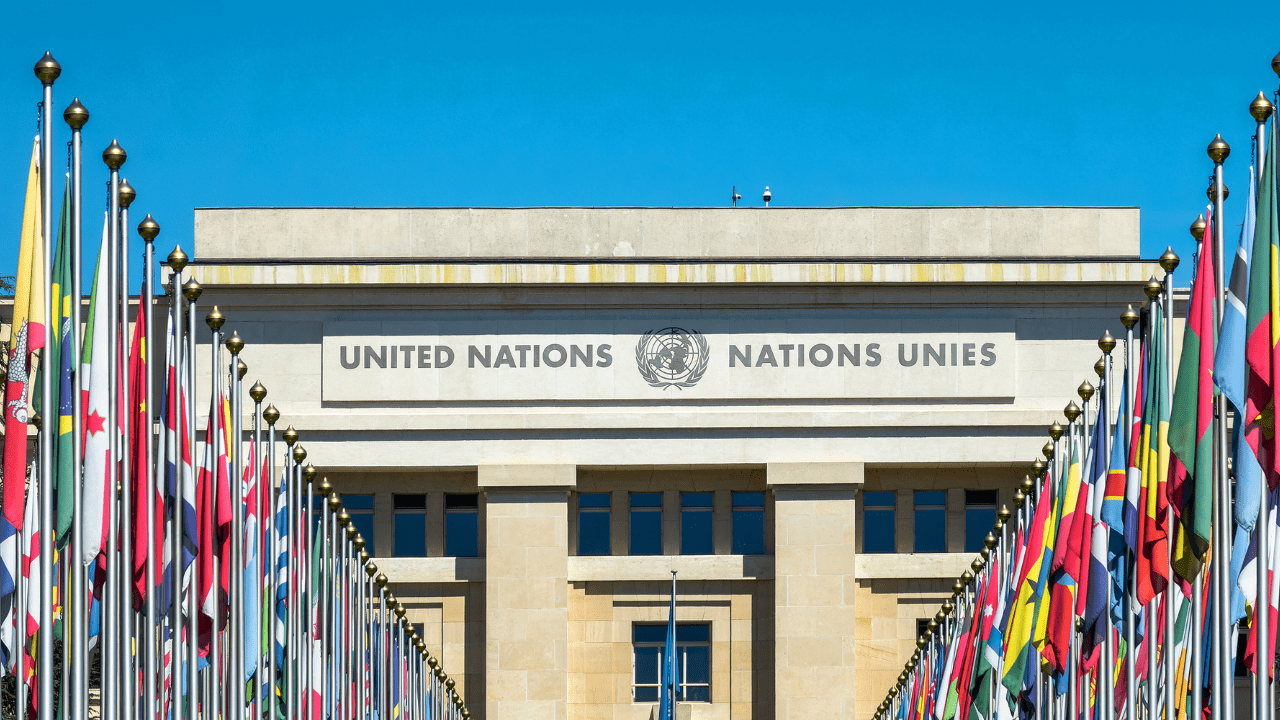
Yesterday UN Secretary General Ban Ki Moon wrote an op-ed in the New York Times laying out the urgency of the Review Conference and some of the top considerations for the agenda. While stressing the importance of holding realistic expectations, Ban Ki-Moon asserted that the opportunities presented by Review Conference must not fall by the wayside, especially on the topics of disarmament, non-proliferation, a nuclear weapons free-zone in the Middle East, and the peaceful use of nuclear energy.
In particular, Ban Ki-Moon focused on the need for a serious and thorough consideration of disarmament. “The Earth’s very future leaves us no alternative but to pursue disarmament,” he said. “And there is little prospect of that without global cooperation.”
If the Review Conference does not address the issue of disarmament, it is sacrificing an opportunity to start taking the necessary steps to make the world safer. The very real possibility of nuclear terrorism – highlighted in President Obama’s recent Security Summit– reinforces the widespread relevance of the issue and underscores the necessity of international cooperation. “Nuclear terrorism is not a Hollywood fantasy,” wrote Ban Ki-Moon. “It can happen.” Sign the petition and call on President Obama to initiate talks on an international agreement to eliminate nuclear weapons. Call on President Obama to work with international leaders to abolish nuclear weapons – within our lifetimes. You can be a part of the over 5 million signatures that will be delivered to the White House and the United Nations next week. Click here to Sign the Petition Now.
418 7th Street SE, Washington, DC 20003-2796
Phone: (202) 546-3950 Fax: (202) 546-3749 Privacy Policy |
||||||||||
|
|
|||||||||||