|
|||||||||||
Blog TagsBlog Archive
Subscribe!Search This Site: |
05/13/2009 - 4:45pmWhat Role for Diplomacy in Stabilization and Reconstruction?Posted by Elizabeth April
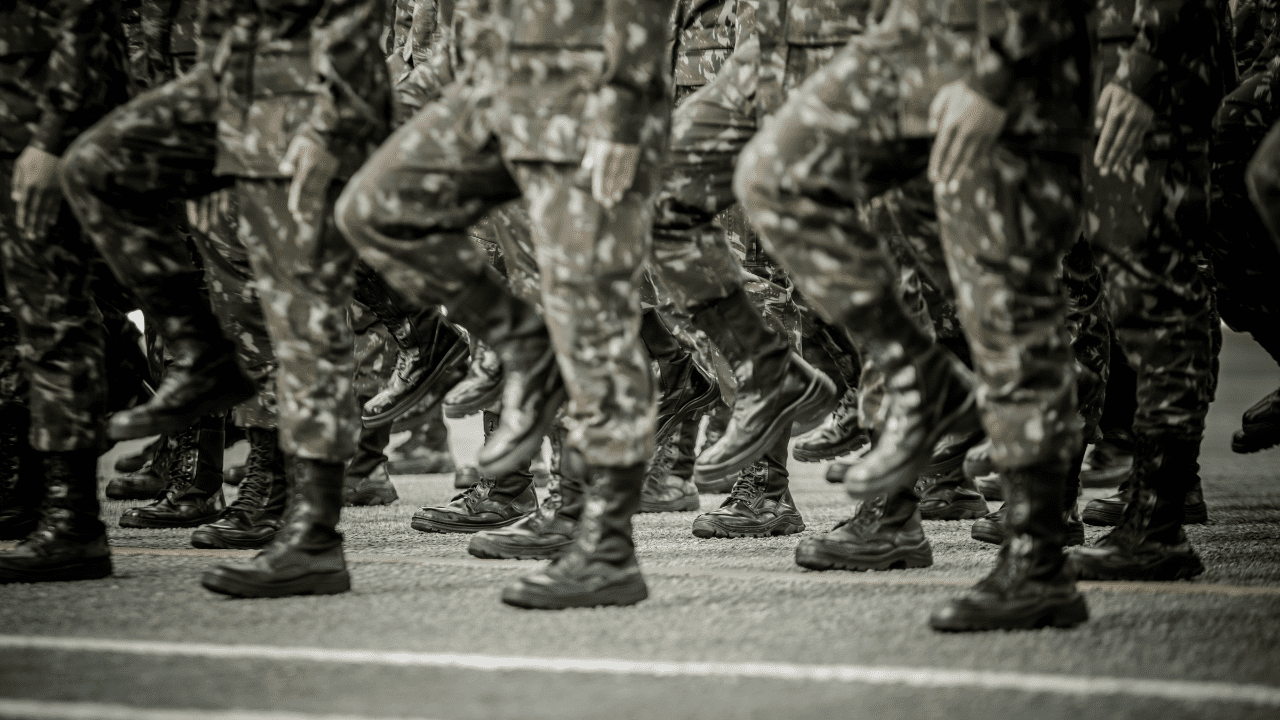
Yesterday, May 12, Army Lieutenant General Stanley McChrystal was recommended by Defense Secretary Robert Gates to replace the former top U.S. and NATO commander. McChrystal joins four ambassadors who are second-in-command for the region. This fusion of both military and nonmilitary personnel begs the question: What role does diplomacy play in stabilization and restoration of states? How can military and nonmilitary actors work together to strengthen the process? This was the subject of an event Wednesday, March 13, at the Woodrow Wilson International Center for Scholars. Speakers included former Ambassador to NATO under President Clinton Robert Hunter, and Thomas Boyatt, former Ambassador to Colombia and Burkina Faso. It was explained by the Ambassadors that the way in which we think about international politics, military and nonmilitary work, and the interactions between them needs to be restructured. All of these areas are highly interdependent upon one another and it is necessary for each to work effectively with the others. However, there are many factors preventing this cooperation from occurring. Nonmilitary personnel need training. Those in the military spend one third of their careers in school, an amount of time much greater than the schooling of the Foreign Service Officer. The government's military budget outweighs that of the Department of State, nonmilitary aid and international institutions at a ratio of 17 to 1. The U.S. spends more money on military affairs than all other countries, combined. People aren’t able to do their jobs, Hunter said, Ambassadors need “walking around money” and the authority to use it without having to seek prior approval up the chain of command. Lastly, the Ambassadors explained, the government needs to learn how to incorporate nongovernmental organizations into diplomacy. State Department Appropriations FY2010 is speculated to announce a new Foreign Service career track, concentrating on Service members who serve at international organizations and multilateral institutions. This may well help bridge the gap between government and NGOs, amending one of the flaws pointed out by Ambassadors Boyatt and Hunter. 05/07/2009 - 4:55pmEngaging Iran: Obstacles and OpportunitiesPosted by Brooke Mueller
On Wednesday, May 6, the Senate Committee on Foreign Relations held a hearing with Senator John Kerry presiding. The hearing addressed prevention of nuclear proliferation in Iran and challenges it posed to the global community. Witnesses included District Attorney and Assistant District Attorney for New York County, Robert Morgenthau and Adam Kaufmann, as well as Former Undersecretary of State for Political Affairs Nicholas Burns. The hearing focused on two points: first, Iran’s illegally funded operations for nuclear proliferation and terrorist activities; second, the use of effective diplomacy and the hurdles and opportunities it offered. For more information about U.S policy on nuclear weapons see Promoting a World Without Nuclear Weapons. Tags:
05/07/2009 - 12:09pmProgress Report from the US Mission to the UNPosted by Alexander Murray
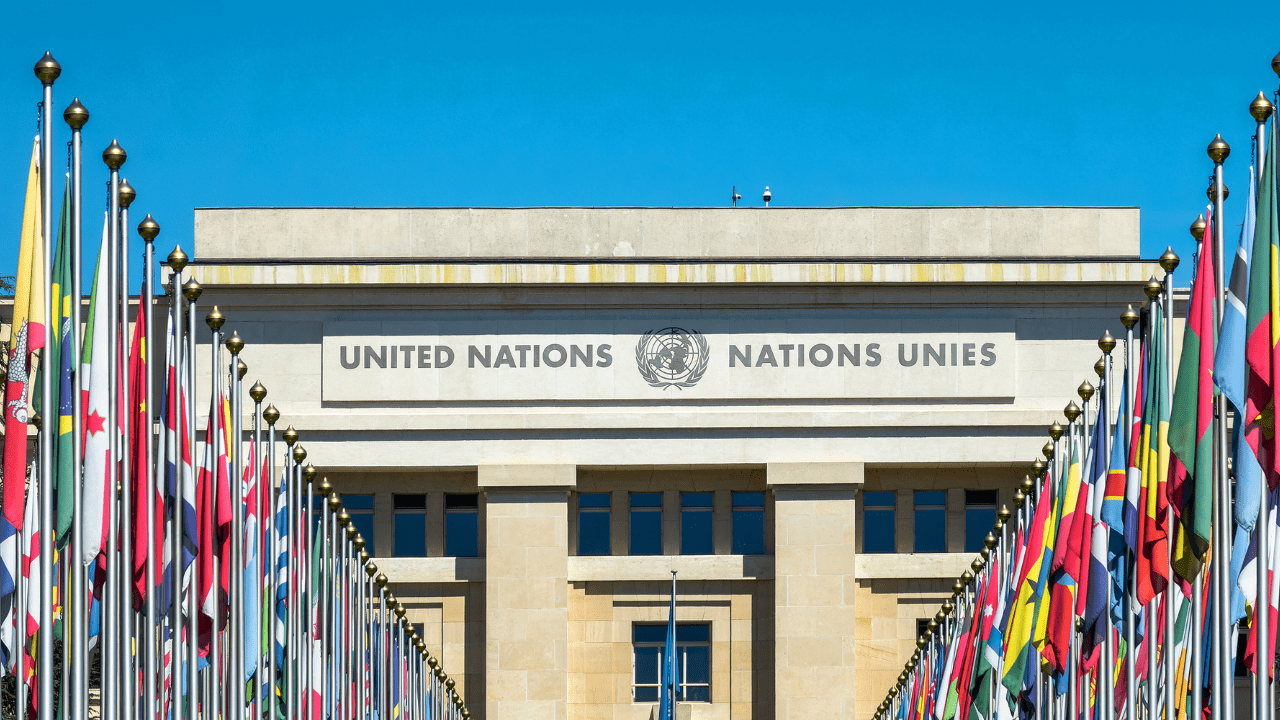
The United States Mission to the United Nations released its Progress Report last week, giving a positive outlook on future US-UN relations and US engagement on international issues. The biggest thing to take from the Progress Report is that the current administration has acknowledged that and promoted the idea that international engagement is required to meet modern threats.
More importantly, the administration has put forth the idea that America should be leading the world in international affairs and in its engagement with the UN. As the largest contributor (and host country) to the United Nations, the US should be engaging the UN in a productive way to ensure that the organization moves in a direction that will benefit all nations. The antagonistic stance taken by the previous administration towards the UN has tarnished our reputation internationally, but the Obama administration has already taken great strides to reaffirm our commitment to multilateralism. The current United States Mission to the UN has already been focused on many issues important to Citizens for Global Solutions. Ambassador Rice has been deeply involved in efforts to resolve the conflict in Darfur and praised the ICC indictment of Sudanese President Bashir. On global climate change, President Obama announced the launching of a Major Economies Forum on Energy and Climate, holding the first preparatory session in Washington on April 27-28. These talks are crucial to success at the Copenhagen conference in December. Lastly, the administrations dedication to human rights was shown in running for a seat on the UN Human Rights Council, an important step to reforming the organization to effectively combat human rights abuses globally. 04/15/2009 - 9:04amObama Requests $836M for U.N. Peacekeeping OperationsPosted by Abigail Long
Citizens for Global Solutions was thrilled to see that in the recent FY 2009 Supplemental Appropriations Bill that was just released by the White House, President Obama requested $836,900,000 for U.N. Peacekeeping operations. By supporting U.N. peacekeepers, the United States is able to address regional instability throughout the world, prevent pandemics, reduce the spread of terrorism, and avoid refugee crises. The total debt that the United States owes the United Nations is $1.56 billion; therefore, $836 million represents extraordinary action to catch up on this debt. The $836 million, a mere 1% of the overall Supplemental request, includes the maintenance of current U.N. peacekeeping operations and the funding of an expanded mission in the Democratic Republic of the Congo. Also, money from that fund will go to the United Nations Mission in the Central African Republic and Chad [MINURCAT]. When the United States falls so deeply into arrears, the U.N. is not able to send as many troops on the peacekeeping missions. For example, the United Nations is authorized to send 31,569 personnel to Darfur but the actual number is 17,692 because of the low level of funds. Citizens for Global Solutions insists that Congress maintain this level of funding in the Supplemental Appropriations Bill to U.N. Peacekeeping Operations and encourages you to express this same sentiment to your Congressperson. This significant contribution will help generate goodwill toward the United States and restore our financial standing at the United Nations. ACT NOW to make sure the U.S. pays its peacekeeping dues 04/05/2009 - 10:05amStudents study how to be Global CitizensPosted by Diane Hodges
He demonstrated those points by showing the group the winning videos and animations from our 2008 Multimedia contest. He also rolled out the first video in our new campaign, "What does it mean to be a Global Citizen?" The massive effort features video of people from all ages and professions, explaining in their own words, the need for global engagement, and the reasons they have decided to become more involved with world issues. The initial video features people ranging from original United World Federalist member Ed Rawson who lives in a Washington, D.C. suburb, to a college student who grew up on an isolated island off the northwestern coast of Washington state.
Don pointed out that the world is at a major crossroads and the key challenge of the next decade that the students will face is how to how to address "the most dangerous deficit facing humanity;" the gap between the need for effective collective action at the global level and the ability of the international community to satisfy that need.
These are major achievements that resulted from decades of hard work Tags:
04/02/2009 - 2:01pmKerry-Lugar Amendment PassesPosted by Don Kraus
Yesterday the Senate adopted by unanimous consent the Kerry-Lugar Amendment to restore $4 billion to the International Affairs Budget cut by the Senate Budget Committee. The Senate budget now includes the President's request for this account of $53.8 billion in FY 2010 to fund next year's budget ' an increase of 8%, or $4 billion, over last year's funding level of $49.8 billion. In his statement on the Senate floor, Senate Foreign Relations Committee Chairman John Kerry (D-MA) said: From pandemics to climate change to failed states, this century's security challenges demand that a new level of commitment to diplomacy and development. With this relatively small investment, we are making significant strides toward restoring America's leadership role in the world. It will make the world safer, and it will make us safer. Citizens for Global Solutions staff and members along with other members of the U.S. Global Leadership Campaign worked hard to make this happen. Thank you Senator Kerry and Senator Lugar. 04/02/2009 - 1:29pmA Rare, Open MomentPosted by Don Kraus
We are in a rare, open moment of history. Consider this. During the last week:
As I write, world leaders at the G20 are discussing fundamental changes to our international institutions. It's not a question of if they will change, but rather of how and when. I never recall having this much good news at one time. Yes, I know we face daunting economic and security challenge. But this a moment to savor the wins. We are building momentum to advance the creation and empowerment of international institutions and laws more than at any point since the founding of the U.N. This is very good. Now back to work ... Tags:
04/02/2009 - 11:14amU.S. moves to reclaim human rights mantlePosted by Diane Hodges
"We must scrupulously guard the civil rights and civil liberties of all citizens, whatever their background. We must remember that any oppression, any injustice, any hatred, is a wedge designed to attack our civilization." -- Franklin Roosevelt More than 60 years ago, President Roosevelt reminded us that protecting the human rights of others is the only way to protect our own human rights. Here in the United States, human rights is an issue that has been overshadowed by other concerns during the past few years, but now we are beginning to see our way clear to making this, once again, a cornerstone of U.S. policy. One of the first actions of the Obama administration was to announce the end to policies that allowed for the torture of anyone in U.S. custody. One of their next actions was to announce plans to close the Guantanamo Bay detention center. Now, the Administration has taken yet another step and announced that the U.S. will run for election on the U.N. Human Rights Council. This action sends a strong signal to the international community that the Obama administration is committed to defending human rights for all global citizens, and it moves the U.S. one step closer to returning it to its previous role as a leader in the defense of human rights around the world. As a member of the Council, the U.S. will be able to provide a voice for the voiceless, and to ensure that those who violate human rights will be held accountable for their crimes, anywhere in the world. The Human Rights Council is the only international body through which promotes human rights and addresses pervasive human rights violations. The Council will only be able reach its potential with the help of strong leadership from the United States. It is also a key platform through which to empower those who are discriminated against the most, including women and girls. The decision by the Obama administration to seek a seat on the Council demonstrates its commitment to work more closely with our allies around the world, a move that can only make Americans safer, in every way. Tags:
03/26/2009 - 7:40amUS is Mute While Bashir Travels FreelyPosted by Don Kraus
According to the New York Times and other media sources indicted Sudanese president Omar al-Bashir has visited with Egyptian president Hosni Mubarak. Bashir has not been deterred by the arrest warrants issued by the International Criminal Court. He visited Eritrea on Monday and is expected to attend an Arab League summit meeting in Qatar next week. Neither the State Department nor the Whitehouse has commented on Bashir's travels and defiance of the Court's jurisdiction, other than to say that he is not welcomed in the United States. State Department spokesperson Robert Wood, when asked if the U.S. is encouraging other nations to arrest Bashir dodged a clear response and said:
In fact other than a supportive statement by U.N. Ambassador Susan Rice, the White House has basically withheld comment on the ICC until it completes a review of U.S. policy regarding the Court. The administration should finish this policy review quickly. It should call for extensive and thorough U.S. cooperation with the Court and support for its prosecutions and trials. It should support U.S. participation in the Court's meetings. And it should make clear that U.S. relations with the Court are in an entirely new era. The historic ICC arrest warrant for Sudanese president Omar al-Bashir makes these steps especially urgent. In FY09 the U.S. will supply Egypt with $1.3 billion in military financing. Ideally, Congress should condition this funding to ensure Egyptian cooperation with the apprehension of war criminals like Bashir. At the very least the U.S. should quickly state its desire for Cairo and other Arab League nations to cooperate with the Court. The United States is now in the odd and unsustainable position of strongly endorsing the most important action that the ICC has ever taken while evading any commitment to support or participate in it as an institution. While Secretary of State Clinton has been hindered by the slow confirmation process to bring on new political staff, she should not allow the United States to stand mute on the sidelines while allowing a mastermind of systematic mass-murder and rapes to freely roam the world and flaunt the jurisdiction of the Court and the U.N. Security Council which authorized the Court's actions in Sudan. Tags:
03/11/2009 - 11:29amGoodbye Nethercutt & the BIA CampaignPosted by Don Kraus
Senate passage of the Omnibus appropriations bill quietly marked the end of Congressional sanctions on nations that have ratified the International Criminal Court. It also officially ends the Bush administration's Bilateral Immunity Agreement (or Article 98) campaign, clearing the way for greater U.S. cooperation with the Court. Thank you Representative Lowey, Senator Leahy and your staffs! Beginning in the summer of 2002, the Bush administration aggressively sought to conclude bilateral immunity agreements with every country in the world. Bilateral immunity agreements (BIAs), also known as "Article 98" agreements, prohibited countries from sending U.S. personnel to the ICC for any reason. This includes U.S. servicemembers, nationals, or employees of the U.S. government (past and present, including non-national contractors). Over 100 nations were pressured into signing these agreements, even though doing so meant violating the commitment they took on when they ratified the ICC treaty. They were forced to put all U.S. citizens on their territory, even mercenaries and common criminals, above the laws that they expected their own citizens and leaders to obey. In 2002 Congress passed the American Servicemembers Protection Act (ASPA), which hampered U.S. cooperation with the Court and sanctioned nations that ratified it by withholding funding for military financing and education. By January, 2008, at the urging of the Defense Department, these economic sanctions were eliminated. In 2004, then Rep. George Nethercutt (R-WA) introduced an amendment to the State/Foreign Ops appropriations bill to suspend Economic Support Funds to members of the ICC who did not sign BIAs. Rep. Jim Kolbe (R-AZ), the Republican chair of the appropriations subcommittee, spoke strongly against this amendment when it came to the House floor: "At a time when we are fighting the war on terrorism, reducing this tool of diplomatic influence is not a good idea. If we accept [this amendment], the U.S. will be hamstringing itself, placing a straitjacket on its diplomatic tools, when we have a lot of U.S. national security objectives that must carry the same or equal weight as securing [BIAs]." While the amendment originally failed by voice vote, it later passed by a roll call vote of 241 to 166. Now, thanks in large part to the work of House Foreign Operations and State Sub-committee chair Nita Lowey (D-NY) and her staff, the language has been removed from appropriations bill. Although her counterpart in the Senate, Patrick Leahy (D-VT) has successfully kept this language off of the Senate bill for many years, House Republican opposition ensured it remained in the final bill that went to President Bush. With the removal of the Nethercutt language, the BIA campaign is now officially over. Except... What will the Obama administration do once nations that were forced to sign these agreements begin to withdraw from them? Stay tuned Tags:
418 7th Street SE, Washington, DC 20003-2796
Phone: (202) 546-3950 Fax: (202) 546-3749 Privacy Policy |
||||||||||
|
|
|||||||||||