![]() |
|
![]() |
|||||||||
SearchCategoriesCitizens for Global Solutions
The MinuteArchives
Misc |
Archives for: August 200708/29/07Human Rights Challenges
Posted by Raj Purohit
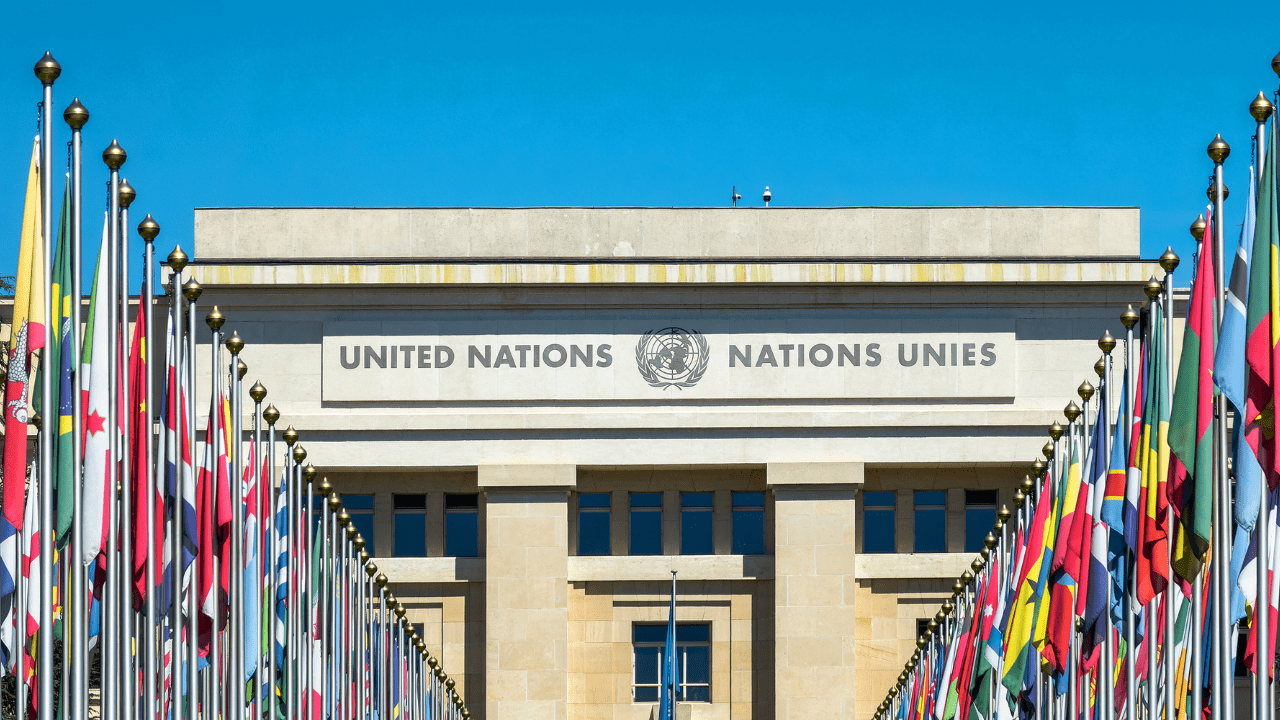
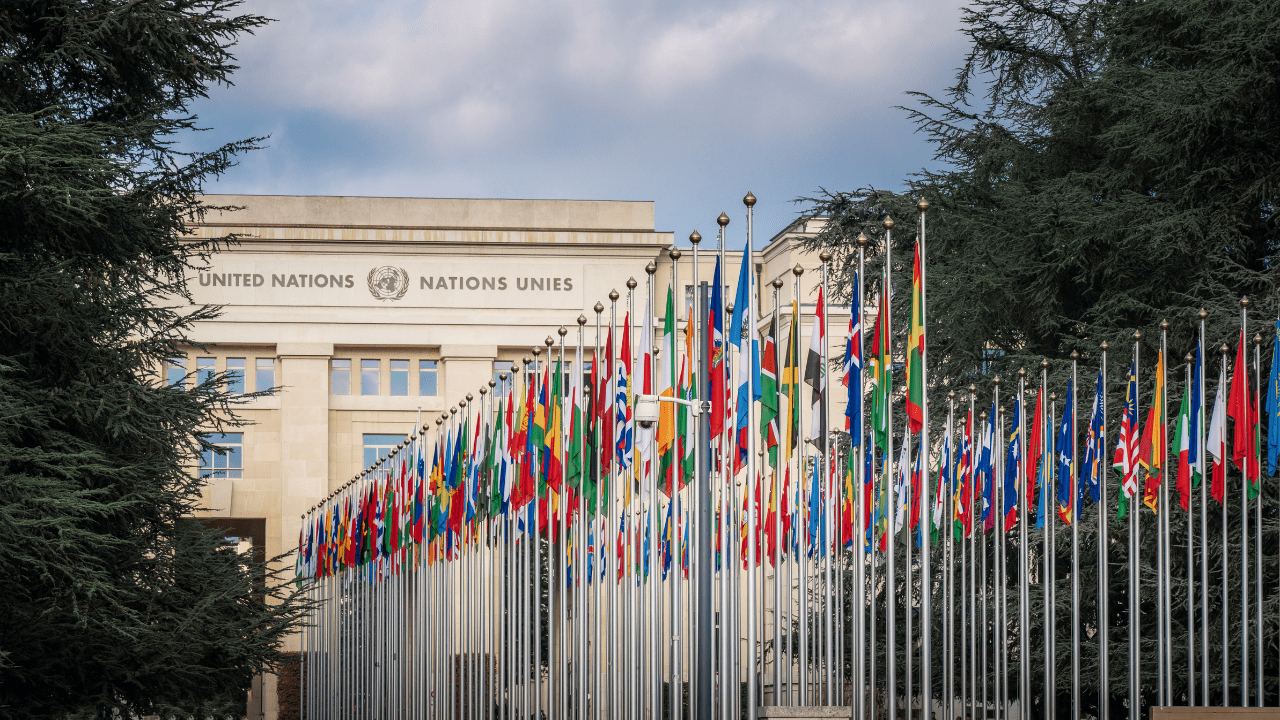
It has been an interesting couple of days here at the WFM. I have been part of some wide ranging discussions on human rights, the rule of law and the growth of new international organizations like the Human Rights Council and the Peace Building Commission. At a session at the Palace of Nations yesterday we were given an opportunity to dialogue with influential UN actors including the director-general and senior figures from the HRC and the office of the Human Rights Commissioner. It is clear that these are challenging times for those responsible for driving the human rights agenda at the UN – from the issue of terrorism (and the impact of counter terror policy) to a range of refugee and IDP (internally displaced people) situations, the organs with primary responsibility in the international arena are feeling overwhelmed and under fire. While I am sympathetic, it is important that civil society both be supportive and push for these organs to redouble their efforts - there is no time to rest...much more on this later but for now I wanted to sure to convey this troubling feeling….
08/27/07WFM Meeting
Posted by Raj Purohit
Today was an interesting first day at the WFM 60th anniversary annual meeting. Bill Pace, the head of the WFM’s international secretariat and the convenor of the CICC, did a nice job of outlining some of the key challenges facing the movement over the coming years. One comment, more of an aside really, that struck me was his reference to efforts to bring together the various international peace and justice coalition efforts – from the landmines and small arms to child soldiers and the ICC, civil society has made terrific strides in recent years. What is necessary is to connect these efforts and get the benefits of linkage. Funders, both private and individual, can play a role in helping these networks coalesce around more integrated agendas. I hope to engage in follow up conversations with others at the conference on this point....it is also something to raise back in the United States among peers in the NGO community.
Hamilton: Time to Ratify Law of the Sea
Posted by Howard Salter
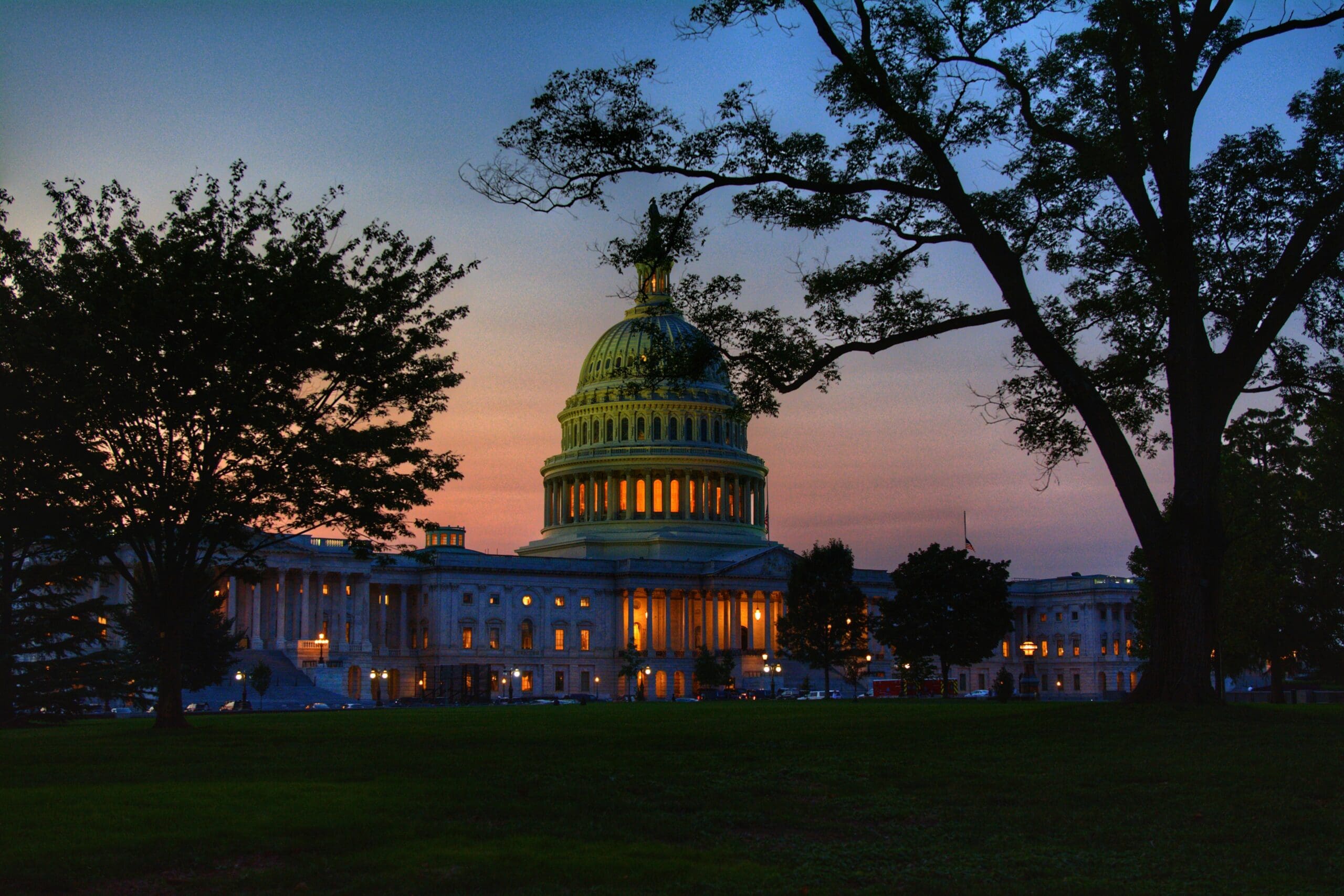
My colleague Scott Paul has been carefully monitoring the upcoming U.S. Senate action on The Law of the Sea Treaty. As Scott wrote last week, it appears that in late September, the Senate Foreign relations Committee will finally hold hearings on this important treaty. The United States has taken a long and winding road to this moment of decision. The Law of the Sea Convention was negotiated for decades and agreed to in 1982. President Reagan directed the country to follow the Convention, with the exception of some rules on mining. After these rules were amended to meet U.S. demands, President Clinton agreed to sign the Convention, but it stalled in the Senate. Now, the Convention has the support of President Bush and the unanimous approval of the Senate Foreign Relations Committee. More than 150 nations are members -- including every major power except the United States. The only obstacle to U.S. entry is full Senate ratification. Hamilton also does a masterful job of deflating the argument of the staunch, but small opposition to the treaty’s ratification: Yet a small but determined group of opponents continues to argue against ratification. Often, these arguments ring hollow. Opponents argue that that the Convention weakens U.S. sovereignty, taxes Americans, creates a huge international bureaucracy and restricts our ability to interdict materials at sea. Yet the Convention actually extends U.S. sovereignty over a dramatically larger portion of the earth, levies no taxes on Americans, has created an institution with only 35 full-time employees, and expands our rights of interdiction.America cannot advance its interests in a globalizing world without strong international partnerships and legal frameworks. When we turn our back on the world, we weaken our ability to lead, and we miss important opportunities to press our case. The Law of the Sea is an international framework that advances American interests on many different fronts. It's time to reap the full rewards of that success. It's time to ratify this treaty. An A-plus effort by the former Representative from Indiana and senior statesman.
08/27/07 02:44:28 pm •
Leave a comment • Trackback (0)
•
Categories: 08 Elections, Diplomacy, International Institutions
08/25/07Geneva and the Conventions
Posted by Raj Purohit
I have arrived in Switzerland for an important conference put on by the WFM (more on that later). One of the first things I noticed here in Geneva was a small statue of Henry Dunant a human rights activist and well respected businessman who was the inspiration/driver for the creation of the Geneva Conventions. Dunant had witnessed the Battle of Solferino (fought in June of 1859). It saw a victory of sorts for the allied French Army under Napoleon III and Sardinian Army under Victor Emmanuel II against the Austrian Army under Emperor Francis-Joseph. The real lesson of the battle, as well as its positive impact on history, was that the rule of law was applicable at all times even during a conflict. The lesson was learned because Dunant witnessed the killing and its aftermath and was moved to act. Dunant wrote about it in an important book called a Memory of Solferino. He and other historians have correctly focused on its brutality with many thousands killed and wounded and horrific stories of wounded and dying soldiers being killed on both sides. Dunant’s book was the inspiration behind the creation of the International Committee of the Red Cross (ICRC). In addition the 1864 Geneva Convention was based on Dunant's vision. His good works were rewarded when he received the first Nobel Peace Prize in 1901. At a time when we are all deeply troubled by the erosion of the rule of law across the globe it is perhaps worth remembering the lesson of Dunant; that in every crisis there is an opportunity. Today, perhaps, good people who value the rule of law can work together to recommit the global community to the Geneva Conventions and all they represent….Dunant would approve of such an effort. A good place to start is a narrative of all that has gone wrong – I would like to suggest that an Independent Bipartisan Commission on Torture and Interrogation is one way to start this process. Raj Purohit
08/25/07 12:35:33 pm •
Leave a comment • Trackback (0)
•
Categories: 08 Elections, Diplomacy
08/24/07Limbaugh Places Foot in Mouth on Darfur
Posted by Howard Salter
If ever there has been an issue that is not about liberal or conservative or red state versus blue state, it is dealing with the on-going atrocities in Darfur ; a horrific humanitarian crisis that the Bush administration has called genocide since September of 2004.
Now, let’s look into the facts. Interest in ending the killing in the Darfur region of Sudan is bipartisan. In 2006, Congress passed the Darfur Peace and Accountability Act, sponsored by then-Rep. Henry J. Hyde (R-IL). The law contained several sanctions on Sudan, including a ban on ships involved in Sudan's oil trade docking at U.S. ports of entry. An initial version of the bill passed the House by a vote of 416-3, and the final version passed the House by voice vote and the Senate by unanimous consent and was signed by the president on October 13, 2006. For more clear thinking information, check out this analysis by Amjad Attallah, Senior Director of International Policy and Advocacy at the Save Darfur Coaltion, which Citizens for Global Solutions is a member. Howard Salter
08/24/07 10:34:52 am •
Leave a comment • Trackback (0)
•
Categories: 08 Elections, International Law & Justice, Diplomacy
08/23/07Obama: 'Shaping the Debate'?
Posted by Howard Salter
When Senator Barack Obama initially launched his bid for the White House, the media and established elites inside the beltway were complimentary of his lofty rhetoric, but in a flashback to 1984 (i.e. Gary Hart’s candidacy) many were wondering “Where’s the beef?” It seems as if the media has come full circle on Obama, at least op-ed columnist Daivd Ignatius of The Washington Post. In a column today, titled “The Pragmatic Obama He's Shaping the Debate on Foreign Policy” he writes:
Prior to the above paragraph, Ignatius writes about Obama appearing before a group of Veterans for Foreign Wars (VFW) the other day and telling the rather conservative audience exactly what he has been saying on the stump in Iowa and other early primary states. This consistency in message, no matter who the audience, is a strength of any candidate, rather than taking the easy way out and pandering to whatever group they might be speaking in front of.
The past few weeks have – as Ignatius writes – witnessed a change in tactics and substance from Obama. And, he has made this turn on foreign policy. He has broken from his main rivals by being specific and consistent when it comes to his world view. His fellow candidates have called Obama "naïve” and “untested”, but the junior Senator from Illinois is now “Shaping the debate on foreign policy.” Let's hope Obama's "shaping" lights a fire under other candidates to put forward their specifics. Senator Dodd did so recently in an op-ed , but Senator Clinton, are you listening? There is a conversation going on with the American people. Care to chime in? Howard Salter 08/22/07Law of the Sea on the Move
Posted by Scott Paul
It hasn't been announced publicly yet, but look for the first Senate Foreign Relations Committee hearings on the Law of the Sea convention to take place on Sept. 27. Government witnesses will come then.
A second hearing will include two panels, the first featuring some expert supporters and selected opponents, followed by a second featuring industry representatives. It seems at this point that the treaty's most vocal opponents are content to huff and puff but do very little. The strategy appears to be to use the Law of the Sea to raise as much money as possible, throw up a token opposition, and put the money away for a rainy day. These funds could be used to fight comprehensive immigration reform or in a tilting-at-windmills battle against the Security and Prosperity Partnership with Mexico and Canada. In either case, opponents simply want the Law of the Sea to go away. When it finally comes to a vote, it will be very clear that the vast majority of senators and their constituents want the U.S. to participate in fair and effective multilateral institutions. Scott Paul
08/22/07 02:29:44 pm •
Leave a comment • Trackback (0)
•
Categories: Energy, International Law & Justice, International Institutions, General
08/21/07Obama: A 'JFK Replay'?
Posted by Howard Salter
Nearly three weeks ago, Senator Barack Obama delivered the most covered, controversial and talked about foreign policy speech this year of any candidate for president – Republican or Democrat.
Obama’s theme, of a need to “turn the page”, is a direct criticism of not only the foreign policy direction of the Bush administration, but also a way of illustrating that even his Democratic colleagues and contenders for the party’s nomination are out of step with the American public. Well, no less than senior statesman, historian and grey-haired guru of the Democratic Party -- Ted Sorenson -- authored an op-ed in the Des Moines Register where he argues that Obama is right…while Sorenson also talks smack about his fellow Dems who have called Obama “naïve” and “untested”. As America's standing and credibility in the world - and thus the security of our citizens - continue to plunge with each passing month of the Bush administration, foreign-policy judgment increasingly becomes the overriding criterion for the selection of our next president. Later in his op-ed, Sorenson makes an important comparison– especially to the Democratic base – as he equates Obama with another youthful Senator who ran for president: John F. Kennedy.
Obama is not the first young senator running for president to discomfort the Washington foreign-policy establishment by speaking frankly on a subject displeasing to an American ally. Fifty years ago this summer, a 40-year-old first-term senator, John F. Kennedy, called on the Senate floor for the U.S. government to pressure its French ally into halting its war against Algerian independence. As my colleague Raj Purohit and I have written recently, the Obama speech of August 1, in Washington didn’t sit well with us. However, Sorenson’s op-ed is quite articulate and very convincing in a political fashion. Especially in closing where here literally anoints Obama the next JFK:
Howard Salter 'Scramble for the Arctic'
Posted by Howard Salter
As my colleague Scott Paul has written on numerous occasions
(here and here and here), it is important for the U.S. Senate to ratify the U.N.
Convention on the Law of the Sea.
This morning, The Christian Science Monitor – a premier newspaper, especially when it comes to covering global issues and U.S. foreign policy – had an excellent editorial Scramble for the Arctic. The Monitor’s editorial board echoes Scott’s note of last week in regards to the U.S. sending an expedition to the Arctic, following recent treks by Russia, Canada and Denmark. But, as Scott has previously written, and the Monitor does today, there is a simple cure to this silly race: The U.S. needs to ratify the treaty.
The Monitor ends its editorial with a straight forward and clear message:
It will be interesting to see what transpires when the Senate resumes its work post-Labor Day. The chair of the Senate Foreign Relations Committee, Joe Biden, has publicly supported ratifying the treaty; however he has yet to move forward in regards to holding hearings on Law of the Sea. Let’s hope he sets a date, soon, and the Senate moves to ratify LOS. After all, it’s a no-brainer. Joining the Law of the Sea will give us a seat at the table so we can voice our concerns with other nations. We can't sit on the sidelines anymore. Howard Salter
08/21/07 09:08:11 am •
Leave a comment • Trackback (0)
•
Categories: 08 Elections, Diplomacy, International Institutions
08/15/07The Rights Fight
Posted by Tom Moran
Check out this interview in the Santa Fe Reporter with Jameel Jaffer.
Jaffer is a litigator for the American Civil Liberties Union and
director of the ACLU's National Security Program. He gives some
informed commentary on the issue of habeas corpus and the secretive
nature of many of the Bush administration's policies. This passage sums
up to a degree the veil consuming certain current policy choices, and
the implications of this as we try and make sense of this historically: "Right now, I think that it’s a pretty dire time for civil liberties. It’s difficult to compare historically, in part because at this particular juncture we don’t know that much about the Bush administration’s policies. What we do know is extremely troubling, but so many things are still secret. We don’t know, for example, the full scope of the National Security Agency’s warrantless wiretapping program. We don’t know how many prisoners are held in CIA detention centers around the world. We don’t know how many people have been kidnapped by the CIA and flown to other foreign countries that are known and expected to use torture. To sit down and compare how bad things are now to 1945 or 1955 or something, you’d just have to know more. I don’t think any previous president has openly advocated that the CIA should use torture. In fact, I think it’s unprecedented for the head of state in any Western democracy to come out and say, ‘I believe that our intelligence services and military need to be allowed to torture prisoners.’" Read the full interview here. By Tom Moran
08/15/07 03:47:54 pm •
Leave a comment • Trackback (0)
•
Categories: International Law & Justice
Dodd: 'We Must Talk to the Bad Men too'
Posted by Howard Salter
Senator Chris Dodd (D-CT) has been fighting for air time and having his foreign policy ideas heard during the race for the Democratic nomination for President. With many observers having already narrowed the nomination down to Senators Clinton and Obama, the Dodds, Bidens, Richardsons, et al have had very little breathing room when it comes to exposure in the mainstream media.
Later in his op-ed, Dodd very clearly lays out the case for a renewed effort on behalf of the United States to engage with the rest of the world through various international institutions. He also weaves in a slap at the current White House policy, while also creating some space between himself and Clinton and Obama:
Finally, Dodd lays out the challenges facing not only the next president, but for the two front-runners for his party’s nomination.
Welcome to the debate of ideas Senator Dodd! Howard Salter
08/15/07 01:26:16 pm •
Leave a comment • Trackback (0)
•
Categories: 08 Elections, Diplomacy, International Institutions
NOAA Planning Arctic Mapping Expedition
Posted by Scott Paul
Hm. NOAA is undertaking a mission to map out areas to claim in the American extended continental shelf. Of course, unless the U.S. ratifies the Law of the Sea convention, the mission's findings are absolutely worthless. Also, a note to AHN writers and editors, who first broke this story: to say that "A new Cold War is brewing in the Arctic Circle" distorts the fact that the Law of the Sea, which the other four "combatants" in this "war" have already ratified, is specifically intended to peacefully settle competing claims and prevent conflicts over resources from turning violent. The metaphor is cute, but it's also inaccurate and alarmist. Scott Paul
08/15/07 12:27:53 pm •
Leave a comment • Trackback (0)
•
Categories: Energy, Diplomacy, International Institutions, General
The Role of Psychologists in U.S. Sponsored Torture
Posted by Tom Moran
An interesting story published today on Salon.com reports on the position of psychologists in the U.S. vis a vis coercive interrogation strategies in the war on terror. Published in the run up to the American Psychological Association (APA) annual convention in San Francisco this weekend, this is an interesting piece, especially in terms of the complicity of psychologists in CIA interrogations and Survival Evasion Resistance Escape (SERE) training, as documented in American Torture by Mike Otterman.
This passage emphasizes the divided camp within the APA – those who would seek to introduce a moratorium as a rebuttal of current policy, and those who believe that psychologists are needed during interrogations for the express reason of ensuring that detainees are treated humanely. It seems that this is a predictable divide that will probably endure. The problem is, however, that the CIA may (and the evidence suggests it already has) turn to psychologists who are not members of the APA. Hopefully though, a condemnation of torture from the APA should send a stern message to CIA employed psychologists at this critical stage. Read the full story here . By Tom Moran
08/15/07 11:58:16 am •
Leave a comment • Trackback (0)
•
Categories: International Law & Justice
Progressive Globalism for the 21st Century
Posted by Raj Purohit
If the old adage holds true that every crisis creates an opportunity, the current state of U.S. foreign policy -- combined with a robust debate amongst Republican and Democratic candidates for their party’s nomination for President -- provides that opportunity. However, none of the candidates for president is comprehensively articulating a vision of globalization suitable for the 21st Century; one that would strengthen and repair the damage done during the Bush years.
A vacuum exists for strong leadership to broadly re-shape the direction of U.S. foreign policy for the 21st Century . What is needed is a visionary leader to fill that vacuum and address the array of global challenges currently facing our nation apart from what to do about the war in Iraq. The need for change in direction is obvious. The unilateral philosophy championed by the Bush administration over the past six years is clearly flawed and ill-suited to address the significant challenges facing the country and the global community. The United States finds itself viewed as a self-centered nation with a foreign policy that disregards the needs of other nations. This is not a helpful image for a global leader and stands in stark contrast to the image of the U.S. after World War II when it worked to build the U.N. system and strengthen international law. The challenges that the candidates are avoiding are varied, ranging from big picture to issue specific. Perhaps the single biggest challenge any internationalist candidate needs to tackle is the view in certain quarters that relationships between individuals in the U.S. and people abroad as a zero sum game; i.e. when others win Americans lose and visa versa. By articulating specific examples of an interconnected approach to foreign policy, a visionary leader can show that progressive globalism can lead to win-win situations. For example, in America’s heartland we see U.S. workers who are concerned that their jobs may be outsourced or filled by migrant workers. They are told that legislation limiting outsourcing or the construction of a wall on the southern border is the solution to their problems. In reality, such approaches do not serve U.S. workers well. Ultimately these jobs will be filled by those working abroad, migrant workers on lower wages or by technological advances in the U.S.; additionally such an approach harms relations with allies both near and far. A far better approach is for U.S. policy makers to invest significant and sustained resources in innovation and education in America. This will ensure that American workers can fill jobs in new sectors and allow them to remain competitive with foreign workers over the long run. By allowing certain jobs to permanently migrate abroad, including crop production and call centers, economies in the global south will advance to a point where new, U.S. produced technologies will find a viable market. Paying a fair wage to migrant workers in the U.S. leads to remunerations bolstering the migrant’s home countries, something that also creates both good will and a market for U.S. innovation. This is just one example of a progressive globalism approach that emphasizes win-win scenarios. It also is capable of attracting significant public support in the U.S. and abroad. Similar win-wins exist on a broad range of issues ranging from climate change to fighting poverty and infectious diseases. Another area in which the current candidates have yet to fully engage is the role of CEOs of multinational corporations. These leaders in business are some of globalization’s biggest proponents and should be natural partners of a new progressive globalism. One way they can lead this effort is to provide leadership in regards to ending the genocide in Darfur. Many of these CEOs were proponents of the successful push to secure Permanent Normal Trade Relations with China and argued that strong ties with China would lead it to embrace a more progressive foreign policy. Unfortunately seven years later, China has stymied concrete action on Darfur, while it is places its oil needs over the lives of Darfurian victims of genocide. Presidential candidates seeking to illustrate what their progressive globalization policy would look like should encourage these CEOs to consider working behind the scenes diplomatically with China. The CEO’s could make it clear that China will gain considerable goodwill in many quarters if it applies pressure to Sudan’s President Bashir to stop the violence. From U.S. consumers of Chinese products to large swaths of the U.S. government itself, the benefits to China’s image would be significant. With the 2008 Olympics taking place in China, the CEOs are well positioned to embrace the concept of progressive globalism and seek to nudge China to help the people of Darfur. The interconnected nature of the world makes it vital that a candidate for president articulate a new globalization -- progressive globalism -- that equally emphasizes the cross-cutting nature of challenges such as migration, trade, failing states, terrorism, infectious disease, poverty and specific geopolitical tensions; while also reflecting the need for solutions that recognize this interconnectedness and require the re-energizing of and recommitment to international laws and institutions. The components of a progressive globalism agenda for the 21st Century need to be articulated by those seeking to illustrate their internationalist viewpoint. We are at a critical juncture of international policy making where a credible alternative to unilateralism and walls must be articulated. Such an alternative must be intellectually honest to ensure that people and governments the world over genuinely feel that they are presented with credible solutions to solve the current state of affairs. Raj Purohit 08/14/07Maher Arar Rendition Report
Posted by Tom Moran
Last Friday the so called "Arar Commission" declassified certain withheld sections of the Canadian government report concluded last fall into the rendition, torture and subsequent release of Canadian citizen Maher Arar in Syria. Although the findings of the report were enough to secure Arar a full exoneration and substantial compensation from the Canadian government, nevertheless some of the recently declassified findings are rather chilling, although sadly not especially surprising. By Tom Moran
08/14/07 05:33:11 pm •
Leave a comment • Trackback (0)
•
Categories: 08 Elections, International Law & Justice
Obama Foreign Policy from the Heartland
Posted by Howard Salter
In Mason City, Iowa there is a daily newspaper called Globe-Gazette . This past Sunday, Senator Barack Obama had a commentary piece on the Globe-Gazette’s op-ed page. The Senator responds to some of the criticism of his recent broad foreign policy speech at The Woodrow Wilson Center of a couple weeks ago.
It’s time that American foreign policy reflected the common sense of the American people, not the failed conventional thinking of Washington.Nice outsider, change-agent tone to it; good lead. Here’s more: I have been told that it is dangerous and un-presidential to say publicly that I will take action against terrorists like bin Laden. I reject that view. I trust the American people and I believe they have had enough of presidents who don’t. As my colleague Raj Purohit and I have written recently, the Obama speech of August 1, in Washington didn’t sit well with us. A little too much fear; a little too much political operative language inserted to toughen up Obama’s foreign policy street cred. Howard Salter 08/12/07Legacy of Nuremberg II
Posted by Raj Purohit
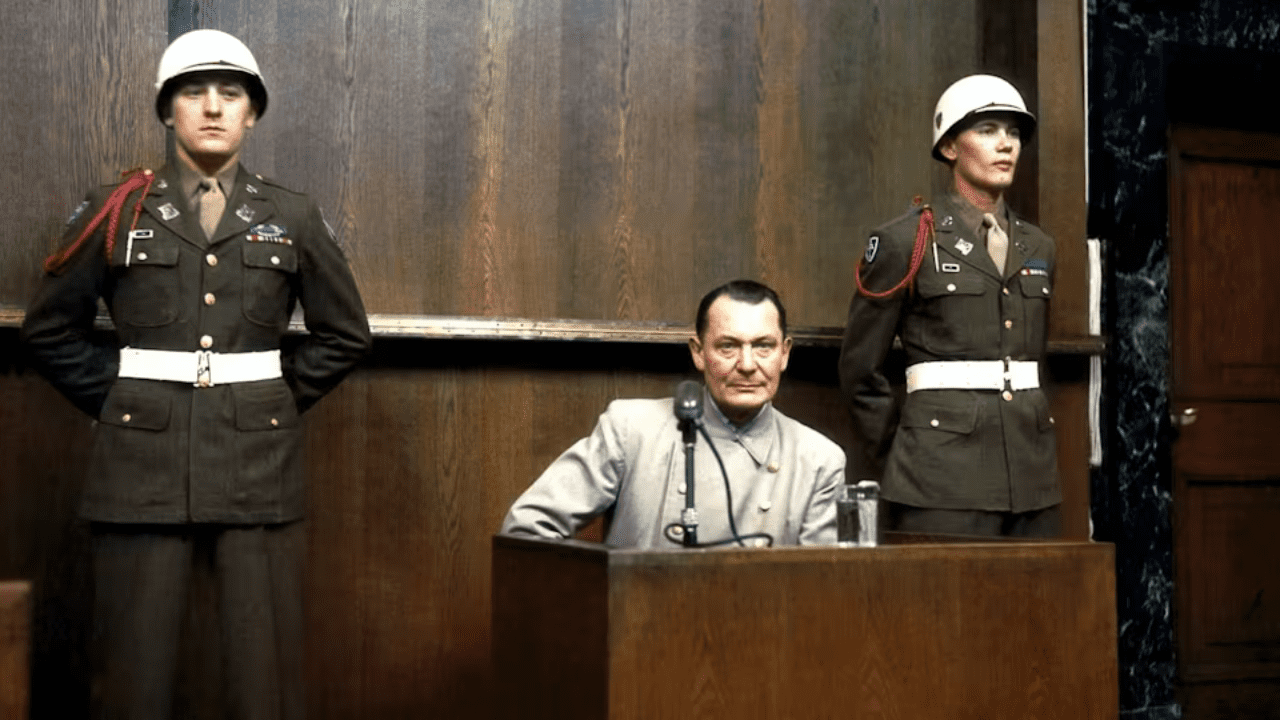
As I previewed earlier, this morning I moderated a fascinating panel at the ABA meeting on the Legacy of Nuremberg. The panelists were Professor David Crane (former Chief Prosecutor for the Special Court for Sierra Leone, Professor Luz Nagel (an expert in Latin America issues generally and Colombia specifically) and Judge Tunheim (U.S. District Court for Minnesota). The three panelists and I covered a broad swath of territory in the international justice sphere ranging from the U.S.-ICC relationship to the rule of law in post conflict societies to the challenges facing the next U.S. President. David Crane gave a terrific presentation on his time in West Africa and eloquently humanized the issues we were addressing. Luz Nagle gave a detailed and very important presentation about the fact that Colombia has failed to grapple with the massive human rights violations caused by both guerilla forces and government supported paramilitaries. Her presentation was critical because it dealt with a situation that is likely to be the first ICC case outside Africa - she also put it in a global context which was invaluable to the audience. Professor Nagle put in context her three key lessons of Nuremberg (I hope to look at these in a future article). Judge Tunheim really illustrated the challenges facing a justice initiative in a region where the major powers are heavily invested in ensuring a successful political transition. For me a real high point was when Justice Kennedy asked the panel whether there are real risks that international justice is viewed as western justice in Africa. David Crane answered the question well by discussing the importance of really listening to locals and understanding what they want to see happen. I added on that in Northern Uganda there is clear evidence that what the people want is a little different to what is being reported – while some groups are suggesting the people do not want justice to get in the way of peace, the reality (as shown by the ICTJ/UB report) is that the people actually do want both – they want peace AND so called “western” style justice. I was humbled by the fact that Justice Kennedy attended our panel and engaged in such a thoughtful manner. Clearly, judging by the very large crowd and the prominent slot afforded to this program, the ABA from the leadership to the members intends to remain engaged in the challenges facing our country and the international community in the area of international justice – and that can only be a very good thing. I'll have more to report later but just wanted to provide this update. Raj Purohit
08/12/07 05:00:07 pm •
Leave a comment • Trackback (0)
•
Categories: 08 Elections, International Law & Justice, International Institutions
08/11/07World Justice Project and Forum
Posted by Raj Purohit
I just attended a very interesting session here at the ABA meeting. The international section pulled together a large group of foreign lawyers for a series of talks from some of the brightest minds in the organized bar. Speakers at the session (technically 2 back to back sessions) included current ABA President Karen Mathis and President elect Bill Neukom. Ms. Mathis gave a very powerful speech on the need to build an international network of lawyers capable of advancing justice across the globe during this time of crisis. Her talk was well received by the group. The lawyers in the room were drawn from 25 or so countries and are involved in the hard work of advancing the rule of law on the ground often with little outside support. Issues such as ratification of the ICC and formation of national bar associations were discussed. I happened to meet a former student and close friend at the first session - Hauwa Ibrahim. She is a Nigerian human rights lawyer who won the European Parliament's Sakharov Prize in 2005. She was a key lawyer for Amina Lawal, a Nigerian woman who was sentenced to death by stoning for conceiving a child out of wedlock. Hauwa helped to save Amina's life in a very high profile case that required terrific legal skills and a keen cultural sensitivity. Hauwa told me that she has spent the last few weeks visiting scores of countries trying to work out out to organize the Nigerian bar. This type of global to local push using prominent activists (local voices if you will) is the only way to really advance the rule of law globally. Bill Neukom also gave an important speech at the first session. He discussed a new ABA initiative called the World Justice Forum. I am still seeking more information but the essence seems to be a commitment from the ABA to work with lawyers and non-lawyers across the globe to determine a systematic way of advancing the rule of law. I found two pieces of particular interest: First the description of a "World" effort really embraced the CGS notion of our interconnected world. Second: on the strategic side, the desire to engage and work with non-lawyers on this effort was a welcome change in approach. I'll look to get more details and pass them along. I really believe that this could link up very well with the CGS mission and vision. UPDATE: Here is some more info from an ABA document: World Justice Project will consist of five near-term programs:
08/11/07 02:24:32 pm •
Leave a comment • Trackback (0)
• Categories: 08 Elections, International Law & Justice
| ||||||||||