
global governance Blog
Welcome to CGS’s vibrant online platform where contributing authors explore global governance issues. We aim to foster a global community where perspectives are valued, conversations are ignited, and understanding flourishes.

Around the World, Global Solidarity and Cooperation are Remarkably Popular
61% of Americans say the US should cooperate on global challenges. New global polling shows internationalism is far more popular than the headlines suggest.
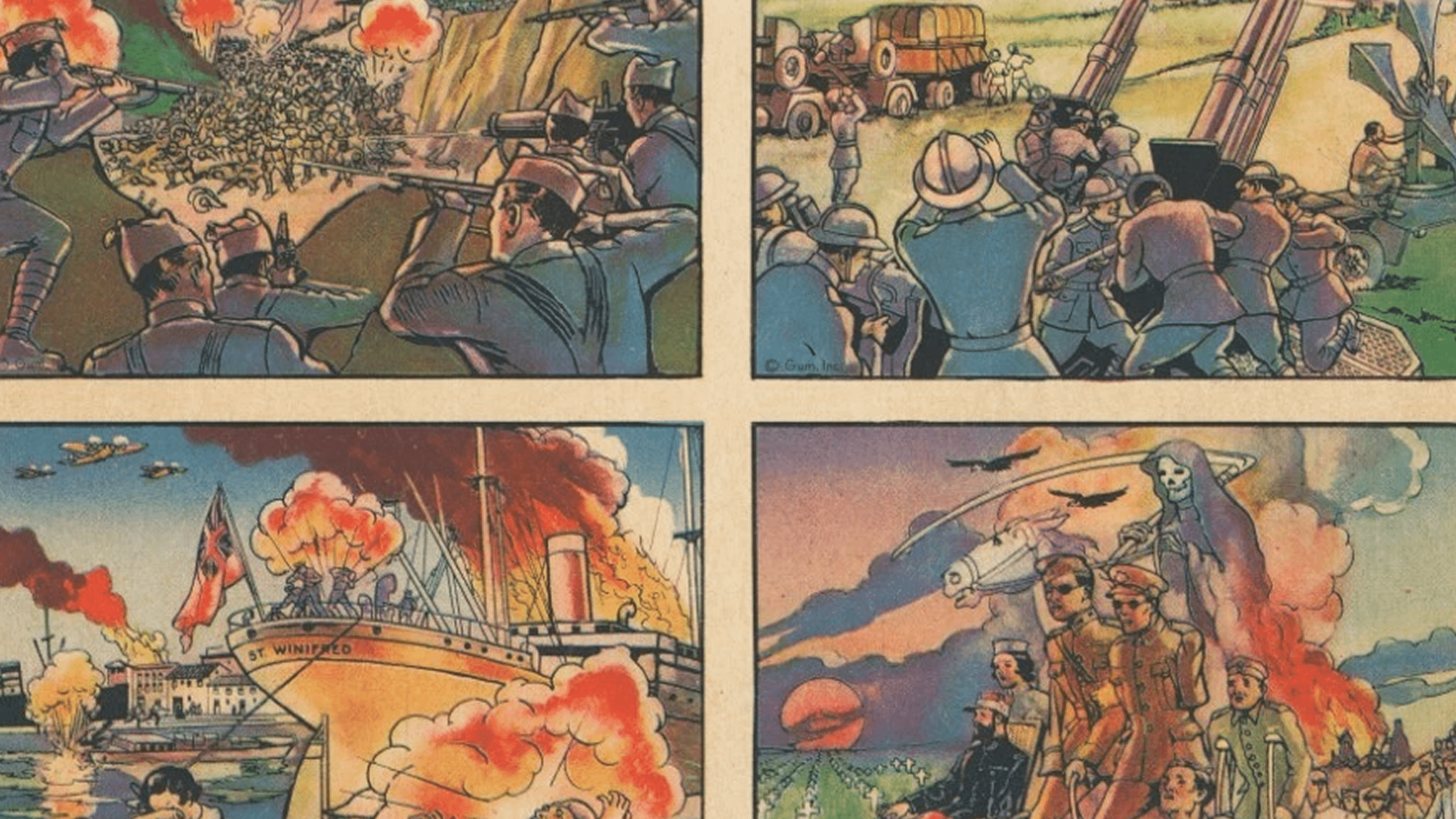
The frightful cost of war and a bubble gum card
On the eve of the Second World War, a Philadelphia gum manufacturer sold 100 million trading cards under a single banner: to know the horrors of war is to want peace.

Democracy isn’t just weakening in America, it is already disappearing
The solution to America’s rapid democratic decline cannot simply be that, in this deteriorating situation, America’s democracy will vote its way out of it.
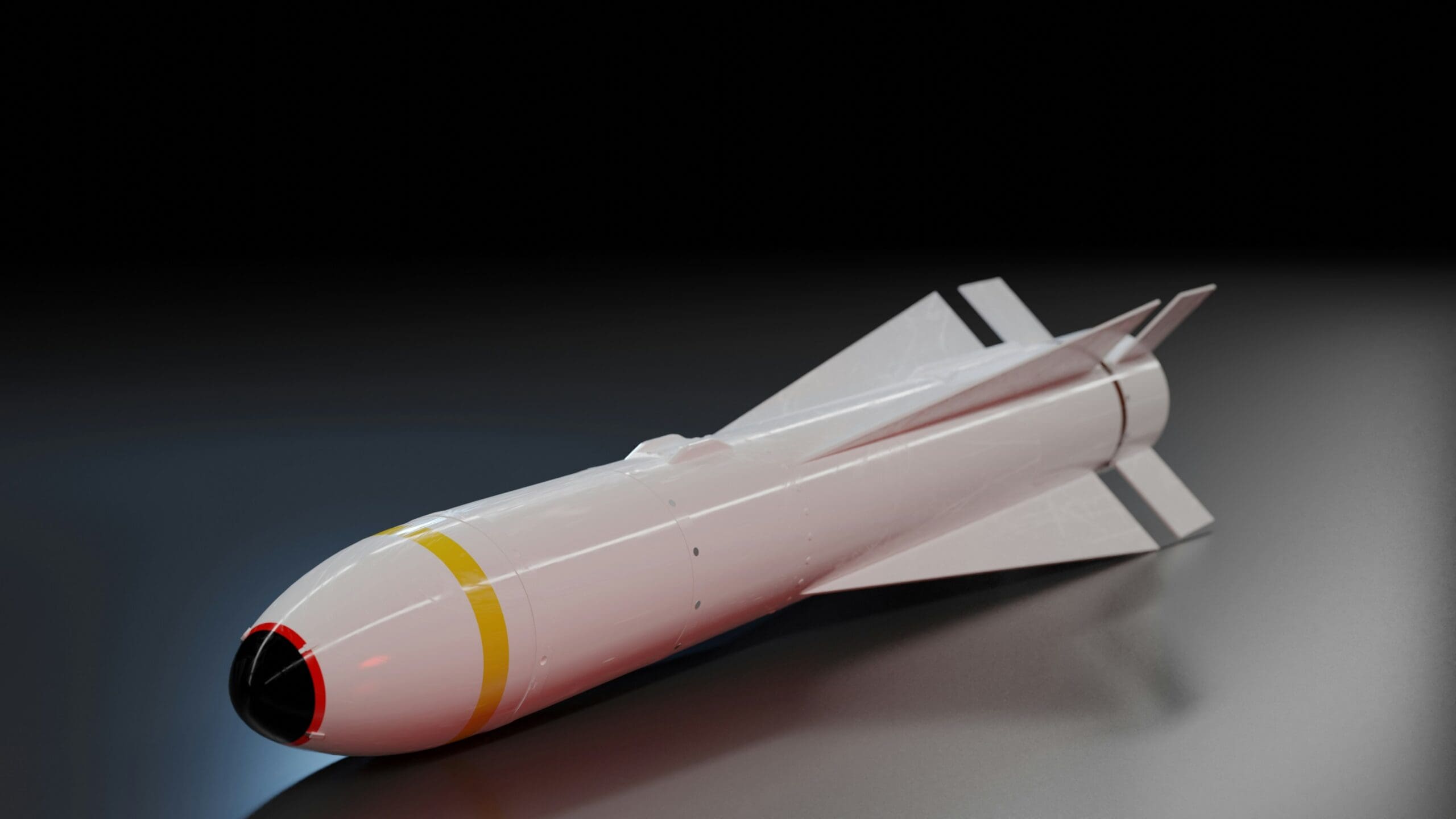
How the International Community Obtained a Nuclear Weapons-free Agreement with Iran―and Lost It
If the objective of the U.S. war upon Iran is to ensure that that country does not develop nuclear weapons, that goal was attained more than a decade ago through a far different approach than the one now being followed by the Trump administration.

Which Way to National Security?
On April 1, 2026, Donald Trump startled the world by publicly declaring that he was “absolutely...

International Law Needs International Enforcement
The U.S. military attack upon Iran is but the latest indication that the system of international...
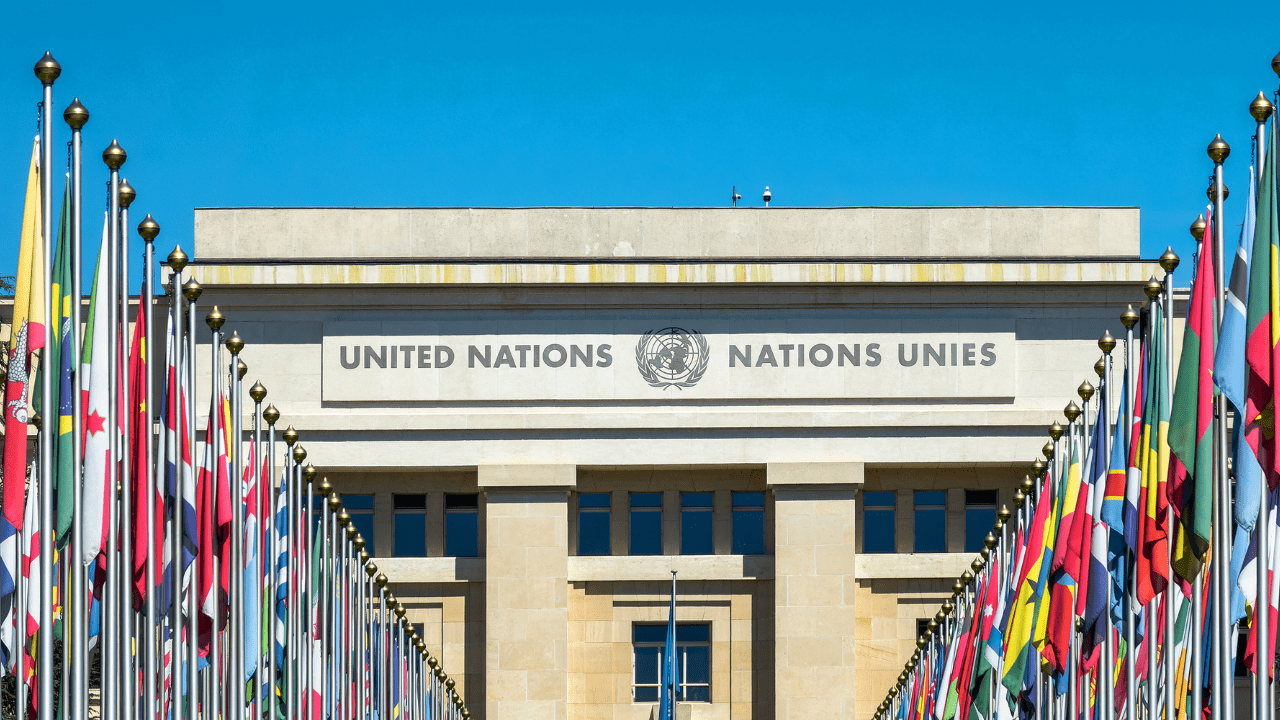
Strengthen the United Nations
Although the United Nations was created in 1945 with the goal of ending war and solving other...

A World Parliament Is Our Best Hope for Avoiding a Plunge Into Nuclear Anarchy
In 2011, the New START Treaty, which had been signed by the United States and Russia the previous...

On the Road to Nuclear War
On January 27, 2026, the editors of the Bulletin of the Atomic Scientists moved the hands of their...

It Could Be a Wonderful World
There is a widening gap today between global possibilities and global realities. The global...
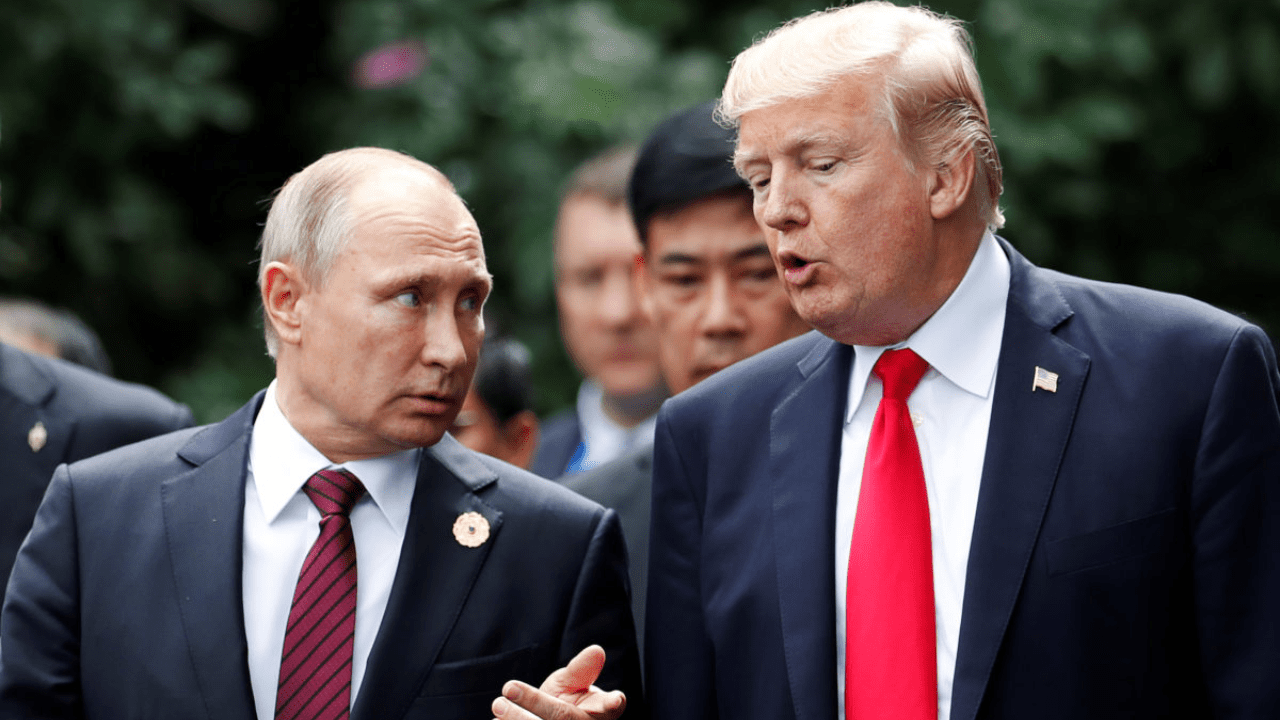
Great Power Imperialism or Democratic Global Governance?
Pundits frequently remark on the warm and friendly relationship between Vladimir Putin and Donald...
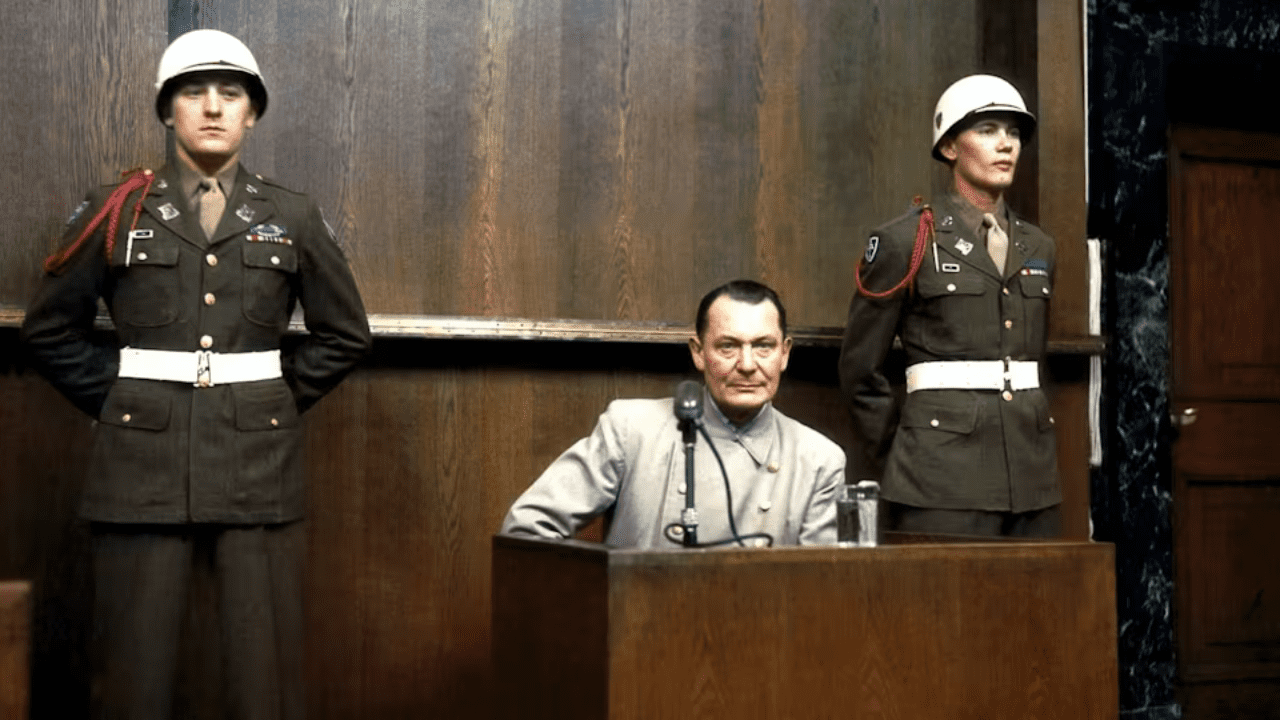
From Nuremberg to Rome: Keeping Humanity Safe
Given my long-term interest in international affairs, I went to see the recently released movie,...
A Bold Campaign to Confront Global Crises
Although the world is experiencing severe global crises, there are new efforts underway to create...
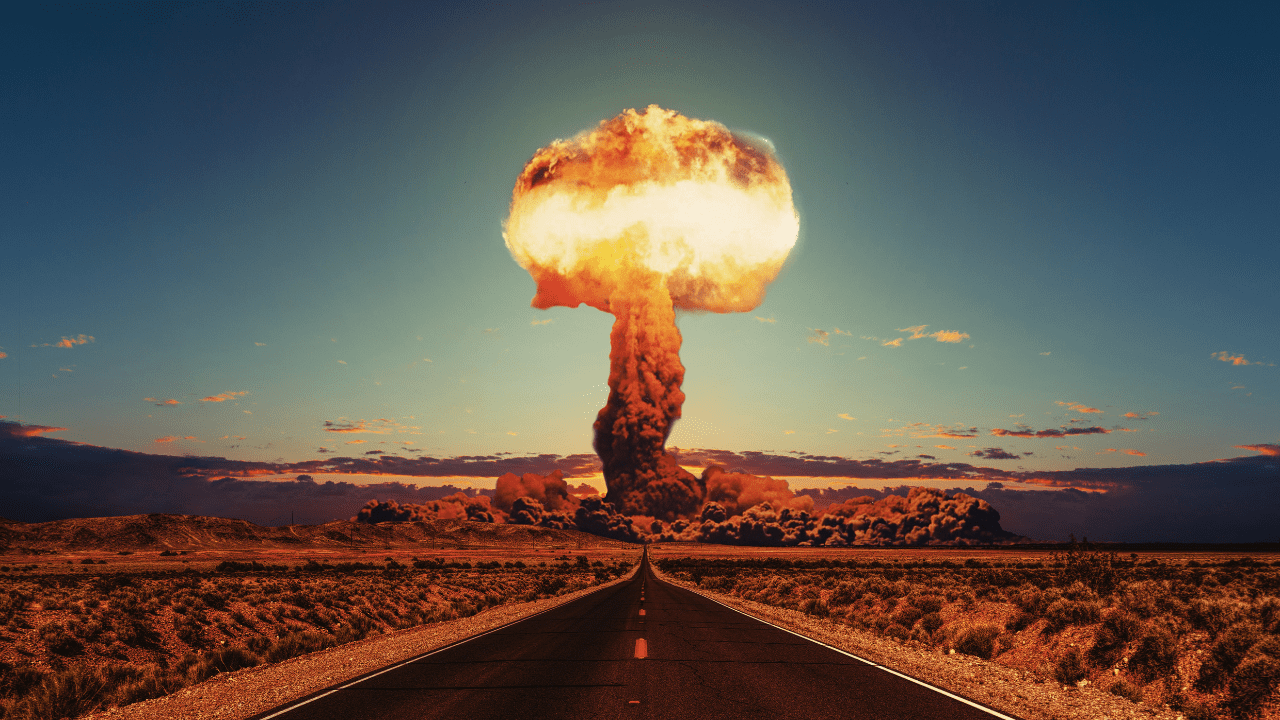
Turning Back from the Brink of Nuclear War
Early this year, legislators in the U.S. House of Representatives and in the U.S. Senate...

Displacement: An Inherent Problem of a Divided World
More than 120 million people have been displaced from their homes due to war, climate change,...

Albert Einstein and the Problem of War
Although Albert Einstein is best-known as a theoretical physicist, he also spent much of his life...

Preventing World War III
Since the Russian invasion of Ukraine, the major countries of the world have been aligning in two...

The Dangers of Big Power Domination: We Need a More Just, Multilateral World Order Now
On September 18th, the United Nations Security Council, the principal organ of the United Nations...
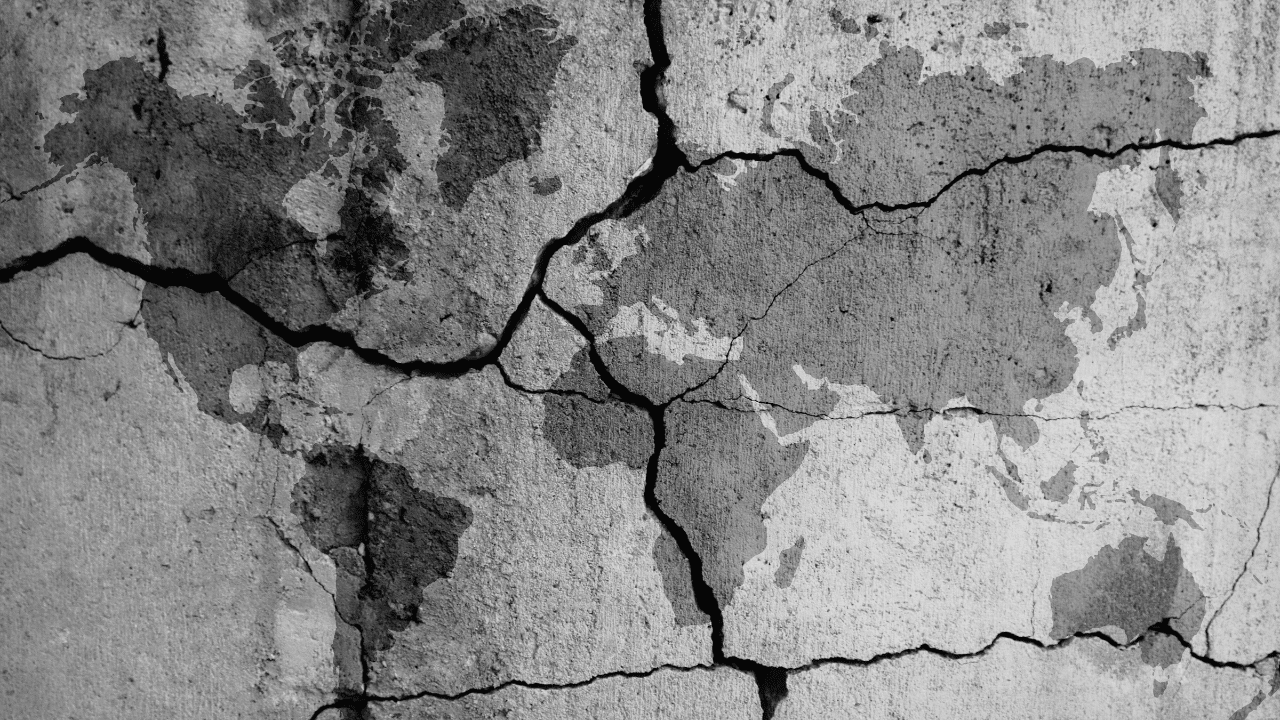
A Dangerously Divided World Highlights the Need to Empower International Institutions
On September 13, the British public was startled when more than 110,000 people turned out for a...
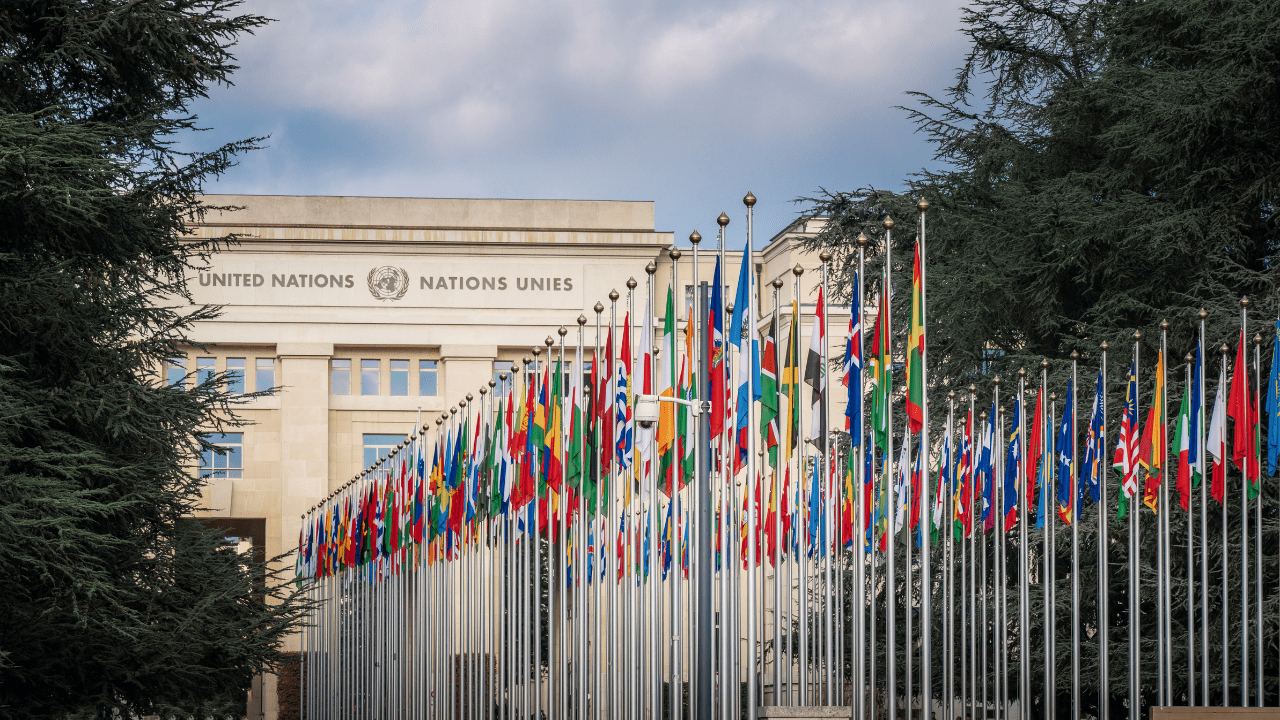
Donald Trump’s Attack Upon the United Nations is at Odds with U.S. Public Opinion
If one examines Donald Trump’s approach to world affairs since his entry into American politics,...
Civil Society is Playing a Vital Role in Defense of Human Rights
From online news reports to social media platforms, the rise of authoritarianism and the surge in...

Eighty Years of Nuclear Terror
Ever since the atomic bombings of Japanese cities in August 1945, the world has been living on...
Can International Organizations Survive the Rightwing, Nationalist Onslaught?
At a time when international cooperation provides the key to preventing a variety of global...

For the Next Steps with Iran, Let’s Work on an International Diplomatic Solution
In the aftermath of the U.S. government’s military strikes against Iran’s nuclear facilities, it...
The Limitations of Military Might
Although the statement that “power grows out of the barrel of a gun” was made by Chinese communist...
Looking for older global governance blog posts?
We hope you enjoy our new website! Previous archived global governance blogs will be available summer 2023.
Disclaimer:
The views expressed in this blog post do not necessarily reflect the official policy of Citizens for Global Solutions.
Interested in contributing to our blog?
Please send us a message using this contact form and we’ll get back to you.