This site makes extensive use of JavaScript, for the best browsing experience we recommend you enable JavaScript in your browser.
A Global National Security Strategy
Today the Obama administration releases its first National Security Strategy (NSS). The NSS is a document prepared periodically by the executive branch for Congress which outlines the major U.S. national security concerns and how the administration plans to deal with them. It's a strong improvement over the last NSS issued by the Bush administration in 2006. Much of the language in the NSS could have been taken from globalsolutions.org. This is a strategy of an administration on the right track. It's also a signal to civil society to both support the administration's efforts and to be willing to push the envelope of what is possible.
The NSS is a strategic document that sets direction at 30,000 feet. While it calls for "a just and sustainable international order that can foster collective action to confront common challenges" it doesn't recommend tactical steps such as better training for U.S. ambassadors or greater recognition for Foreign Service officers who work in multilateral institutions. It doesn't discuss how the U.S. will improve its capacity to win votes in international bodies. However it does clear the way for these steps to happen.
Below are a number of relevant quotes from the NSS on nuclear weapons, a strengthened international order, the U.N, Peacekeeping, Genocide Prevention, and the International Criminal Court. I've underlined particularly worthwhile passages.
In a perambulatory letter from President Obama he says:
"We are clear-eyed about the challenge of mobilizing collective action, and the shortfalls of our international system. But America has not succeeded by stepping outside the currents of international cooperation. We have succeeded by steering those currents in the direction of liberty and justice – so that nations thrive by meeting their responsibilities and face consequences when they don’t….As influence extends to more countries and capitals, we will build new and deeper partnerships in every region, and strengthen international standards and institutions. This engagement is no end in itself. The international order we seek is one that can resolve the challenges of our times – countering violent extremism and insurgency; stopping the spread of nuclear weapons and securing nuclear materials; combating a changing climate and sustaining global growth; helping countries feed themselves and care for their sick; resolving and preventing conflict, while also healing its wounds."
On pursuing a "World Without Nuclear Weapons":
"While this goal will not be reached during this Administration, its active pursuit and eventual achievement will increase global security, keep our commitment under the NPT, build our cooperation with Russia and other states, and increase our credibility to hold others accountable for their obligations. As long as any nuclear weapons exist, the United States will sustain a safe, secure, and effective nuclear arsenal, both to deter potential adversaries and to assure U.S. allies and other security partners that they can count on America’s security commitments. But we have signed and seek to ratify a landmark New START Treaty with Russia to substantially limit our deployed nuclear warheads and strategic delivery vehicles, while assuring a comprehensive monitoring regime. We are reducing the role of nuclear weapons in our national security approach, extending a negative security assurance not to use or threaten to use nuclear weapons against those nonnuclear nations that are in compliance with the NPT and their nuclear nonproliferation obligations, and investing in the modernization of a safe, secure, and effective stockpile without the production of new nuclear weapons. We will pursue ratification of the Comprehensive Test Ban Treaty. And we will seek a new treaty that verifiably ends the production of fissile materials intended for use in nuclear weapons."
The NSS calls for a strengthened international order saying:
"[W]e have an interest in a just and sustainable international order that can foster collective action to confront common challenges. This international order will support our efforts to advance security, prosperity, and universal values, but it is also an end that we seek in its own right. Because without such an international order, the forces of instability and disorder will undermine global security. And without effective mechanisms to forge international cooperation, challenges that recognize no borders – such as climate change, pandemic disease, and transnational crime – will persist and potentially spread....Indeed, our ability to advance peace, security, and opportunity will turn on our ability to strengthen both our national and our multinational capabilities. To solve problems, we will pursue modes of cooperation that reflect evolving distributions of power and responsibility. We need to assist existing institutions to perform effectively. When they come up short, we must seek meaningful changes and develop alternative mechanisms."
The NSS has a section on "Enhance Cooperation with and Strengthen the United Nations". It says:
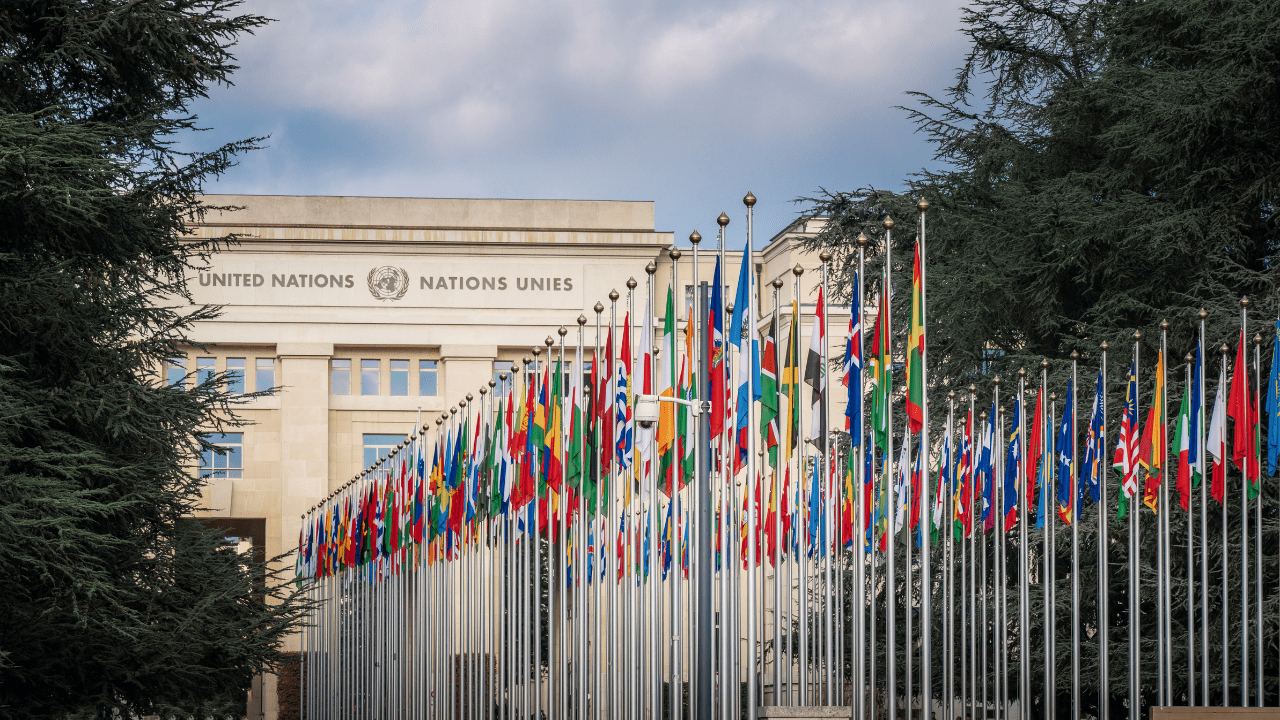
"We are enhancing our coordination with the U.N. and its agencies. We need a U.N. capable of fulfilling its founding purpose – maintaining international peace and security, promoting global cooperation, and advancing human rights. To this end, we are paying our bills. We are intensifying efforts with partners on and outside the U.N. Security Council to ensure timely, robust, and credible Council action to address threats to peace and security. We favor Security Council reform that enhances the U.N.’s overall performance, credibility, and legitimacy. Across the broader U.N. system we support reforms that promote effective and efficient leadership and management of the U.N.’s international civil service, and we are working with U.N. personnel and member states to strengthen the U.N.’s leadership and operational capacity in peacekeeping, humanitarian relief, post-disaster recovery, development assistance, and the promotion of human rights. And we are supporting new U.N. frameworks and capacities for combating transnational threats like proliferation of weapons of mass destruction, infections disease, drug-trafficking, and counterterrorism."
On "Peacekeeping and Armed Conflict":
"The untold loss of human life, suffering, and property damage that results from armed conflict necessitates that all responsible nations work to prevent it. No single nation can or should shoulder the burden for managing or resolving the world's armed conflicts. To this end, we will place renewed emphasis on deterrence and prevention by mobilizing diplomatic action, and use development and security sector assistance to build the capacity of at-risk nations and reduce the appeal of violent extremism. But when international forces are needed to respond to threats and keep the peace, we will work with international partners to ensure they are ready, able, and willing. We will continue to build support in other countries to contribute to sustaining global peace and stability operations, through U.N. peacekeeping and regional organizations, such as NATO and the African Union. We will continue to broaden the pool of troop and police contributors, working to ensure that they are properly trained and equipped, that their mandates are matched to means, and that their missions are backed by the political action necessary to build and sustain peace."
It's worth noting that absent from the NSS is any commitment to engage US personnel in blue-helmet peacekeeping missions.
There is great news on preventing genocide and mass atrocities:
"The United States and all member states of the U.N. have endorsed the concept of the "Responsibility to Protect." In so doing, we have recognized that the primary responsibility for preventing genocide and mass atrocity rests with sovereign governments, but that this responsibility passes to the broader international community when sovereign governments themselves commit genocide or mass atrocities, or when they prove unable or unwilling to take necessary action to prevent or respond to such crimes inside their borders. The United States is committed to working with our allies, and to strengthening our own internal capabilities, in order to ensure that the United States and the international community are proactively engaged in a strategic effort to prevent mass atrocities and genocide. In the event that prevention fails, the United States will work both multilaterally and bilaterally to mobilize diplomatic, humanitarian, financial, and – in certain instances – military means to prevent and respond to genocide and mass atrocities."
One item not mentioned in the NSS is a plan for the US military to develop a clear doctrine on civilian protection. This would help to achieve the plans goals.
International Justice and the ICC:
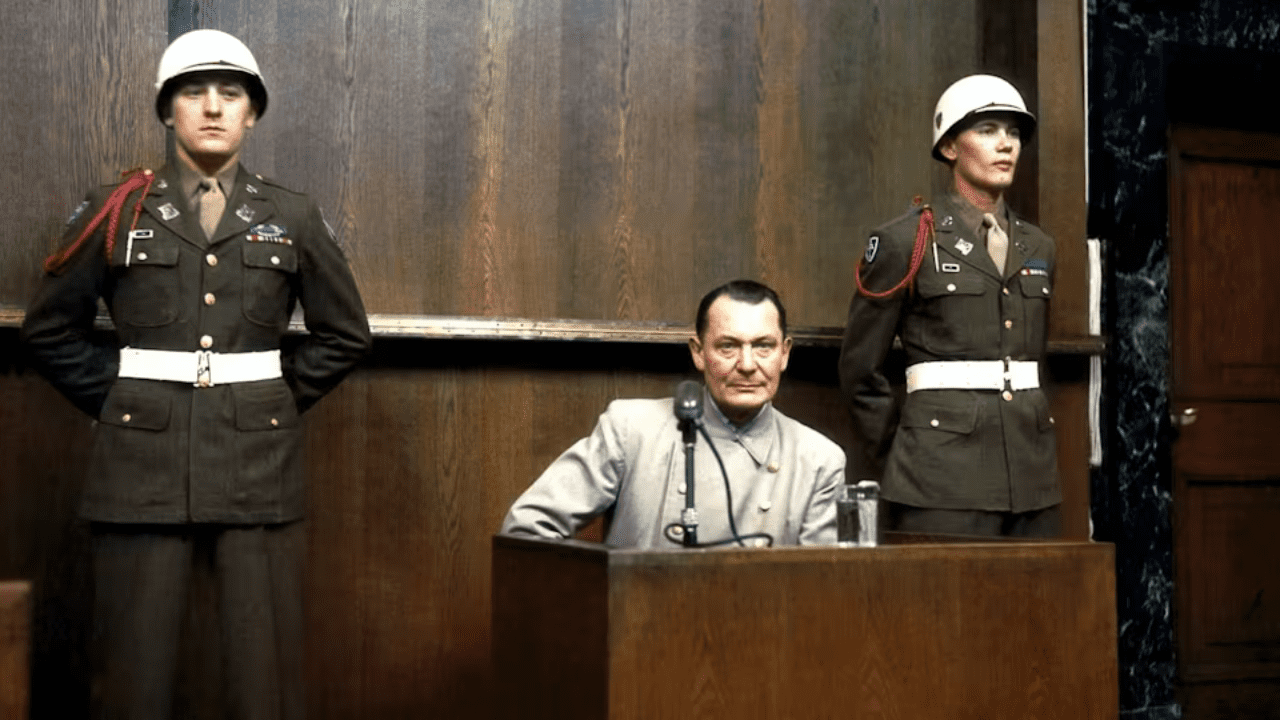
"From Nuremberg to Yugoslavia to Liberia, the United States has seen that the end of impunity and the promotion of justice are not just moral imperatives; they are stabilizing forces in international affairs. The United States is thus working to strengthen national justice systems and is maintaining our support for ad hoc international tribunals and hybrid courts. Those who intentionally target innocent civilians must be held accountable, and we will continue to support institutions and prosecutions that advance this important interest. Although the United States is not at present a party to the Rome Statute of the International Criminal Court (ICC), and will always protect U.S. personnel, we are engaging with State Parties to the Rome Statute on issues of concern and are supporting the ICC’s prosecution of those cases that advance U.S. interest and values, consistent with the requirements of U.S. law."
About the author
Don Kraus
Chief Executive Officer
Topics
- Arms Control (21)
- Become a Member (8)
- Capitol Hill (182)
- CGS Political Action Committee (PAC) (14)
- Chapters (5)
- Civilian Protection (211)
- Climate Change (83)
- Comprehensive Test-Ban Treaty (CTBT) (3)
- Congressional Report Card (9)
- Current Campaigns (8)
- Election News & Analysis (103)
- Fellows (2)
- Gender Based Violence (21)
- Genocide Prevention (172)
- Get Involved (70)
- Home (4)
- Human Rights (274)
- Human Rights Council (50)
- International Criminal Court (312)
- International Criminal Justice (74)
- Law & Justice (319)
- Law of the Sea Treaty (59)
- Nuclear Disarmament (81)
- Nuclear Non-Proliferation Treaty (NPT) (3)
- Other (44)
- PAC: 2010 Election Endorsements (3)
- Partners for Global Change (3)
- Peacekeeping (154)
- Prevent War (200)
- Rights of the Child Treaty (11)
- Strategic Arms Reduction Treaty (START) (23)
- Support Us (7)
- Take Action (36)
- Tax Deductible Giving (3)
- UN Funding (118)
- UN Reform & Revitalization (52)
- United Nations (398)
- usaforicc.org (2)
- WFI (2)
- Women's Rights Treaty (CEDAW) (51)
Archive
- May 2012 (24)
- April 2012 (36)
- March 2012 (34)
- February 2012 (24)
- January 2012 (30)
- December 2011 (36)
- November 2011 (64)
- October 2011 (38)
- September 2011 (40)
- August 2011 (36)
- July 2011 (62)
- June 2011 (66)