Insights
CGS regularly publishes op-eds on the issues that matter most to global democracy, plus news, press releases, and organizational statements from our programs and campaigns. Read it all here, get a monthly roundup by email through eNews, or follow Field Notes on LinkedIn.
Opinion pieces reflect the views of their authors, not necessarily Citizens for Global Solutions.
 Global Justice
A Campaign to Address Global Economic Inequality
Campaign for an International Panel on Inequality gains 1,500 economists and governments at the UN General Assembly to study and close the global wealth gap.
 Global Cooperation
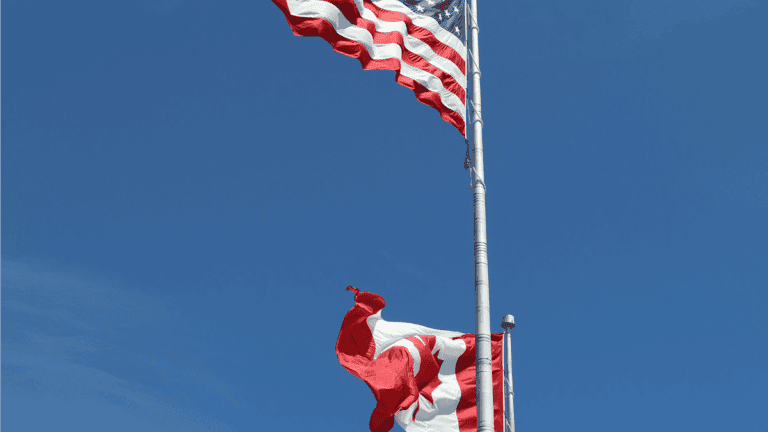
It’s Possible to Salvage Canadian-American Friendship―and Much More
Canada US relations, tariffs, and international law: Lawrence Wittner on why cooperation between countries needs institutions with real authority.
 Global Justice
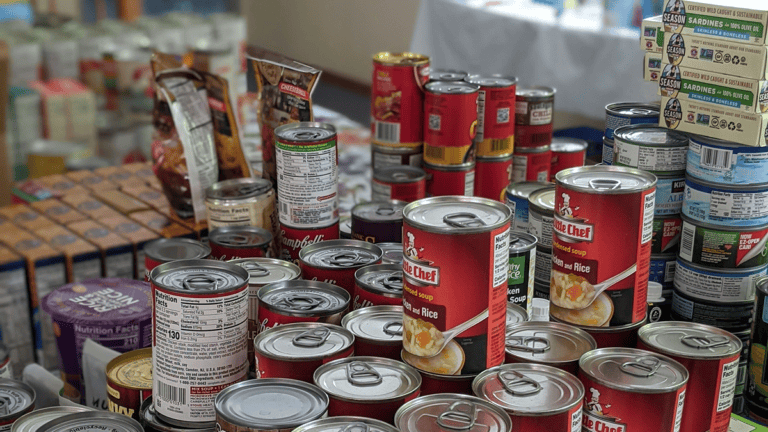
World Hunger and Starvation Have Reached a Crisis Level
World Food Program funding cuts, US food aid, and global hunger in 2026. The case for UN agencies with independent income. By Lawrence Wittner.
 Global Cooperation
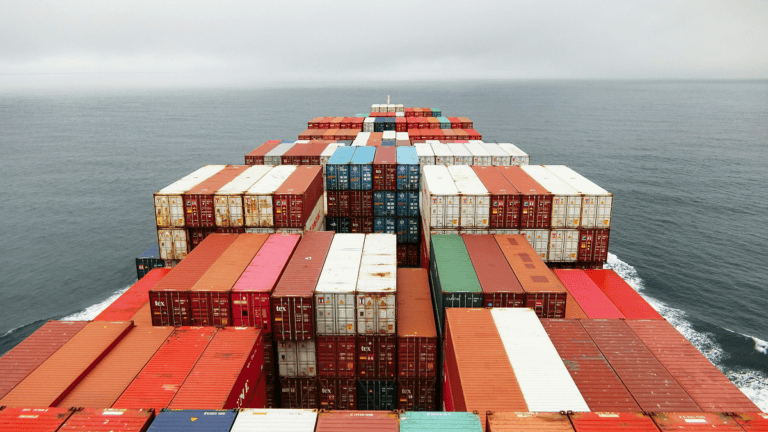
Room to Maneuver: The Case for a UN Maritime Force Under Article 109
Andrew Igdal wins the 2026 New Voices 4 Global Solutions Essay Contest with a case for a UN maritime force to protect shipping lanes under Article 109.
 Peace & Disarmament
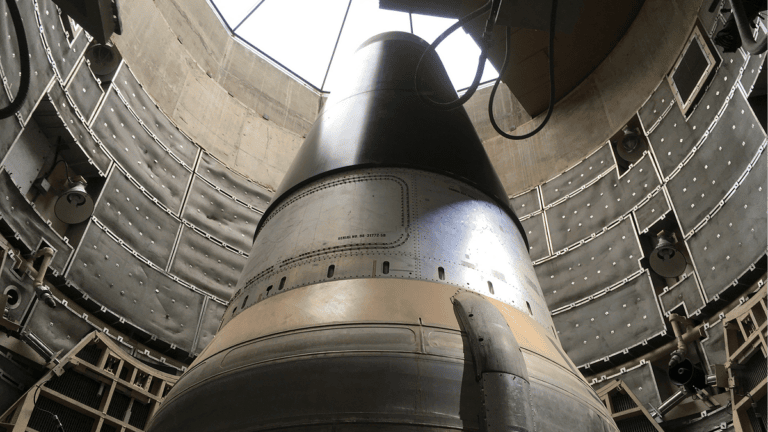
The Rulers of the Nuclear Powers are Slow Learners
Nine nuclear powers hold 12,100 warheads and spending hit a record 119 billion dollars. Historian Lawrence Wittner on the arms race and disarmament.
 Peace & Disarmament
A Dream Deferred, But Still Alive
UN Security Council veto, the Charter's 1945 promise on war, and the closed-door Secretary-General vote on July 30. By historian Lawrence Wittner.
 United Nations
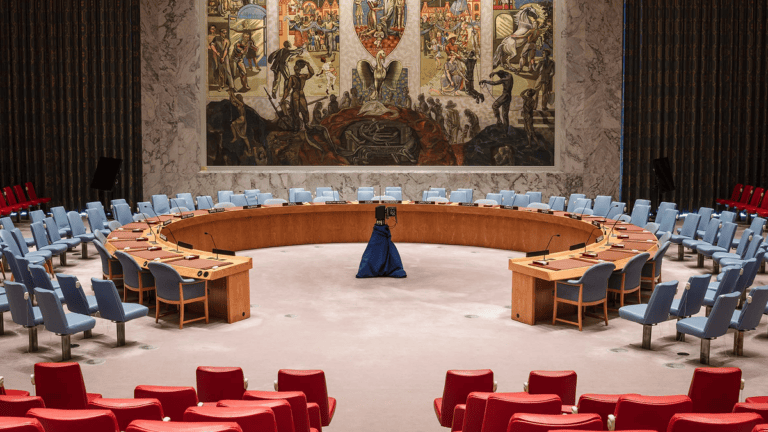
The United Nations Charter turned 81 this week. The world is finally moving to update it.
UN Charter Article 109 explained: how a two-thirds General Assembly vote could convene a review conference to reform the Security Council veto.
 Global Cooperation
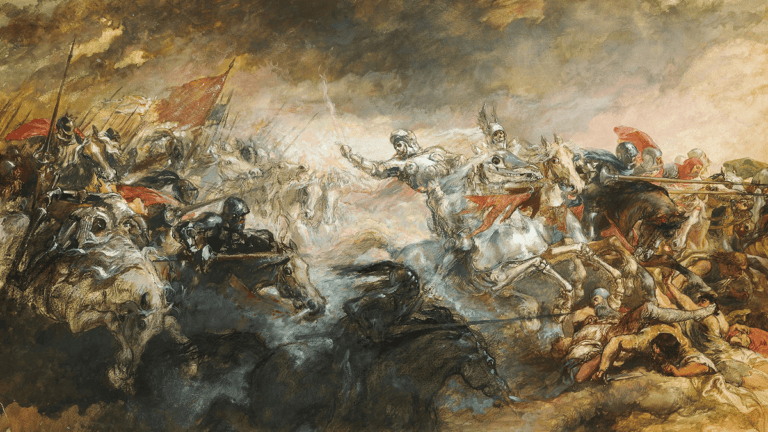
From National Independence to Global Interdependence
War, climate, and pandemics cross every border. National independence cannot stop them alone. Historian Lawrence Wittner on strengthening the UN through Article 109.
 Peace & Disarmament
If war dead could speak
War is an invention, not an instinct. What humans invent, humans can retire. Read the case for replacing war with enforceable law.
 Peace & Disarmament
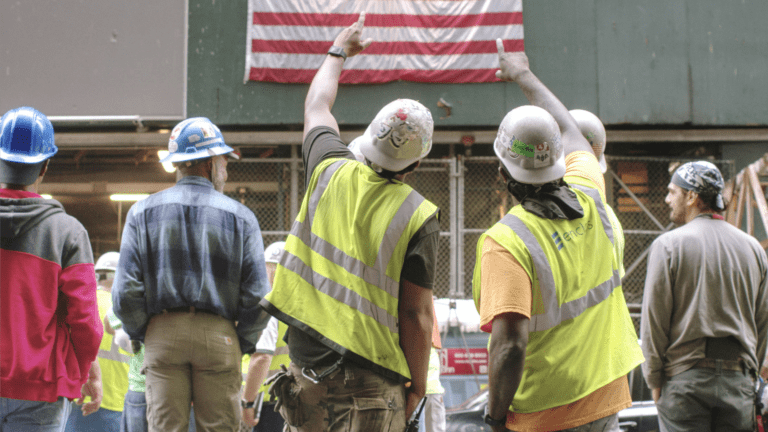
The U.S. Labor Movement as a Force for Peace
At its June convention, the 15 million member AFL-CIO voted to back a just and peaceful world, respect for the UN Charter, and an end to wars that harm working people. Historian Lawrence Wittner on labor's long record as a force for peace.
 Global Cooperation
Around the World, Global Solidarity and Cooperation are Remarkably Popular
61% of Americans say the US should cooperate on global challenges. New global polling shows internationalism is far more popular than the headlines suggest.
 Peace & Disarmament
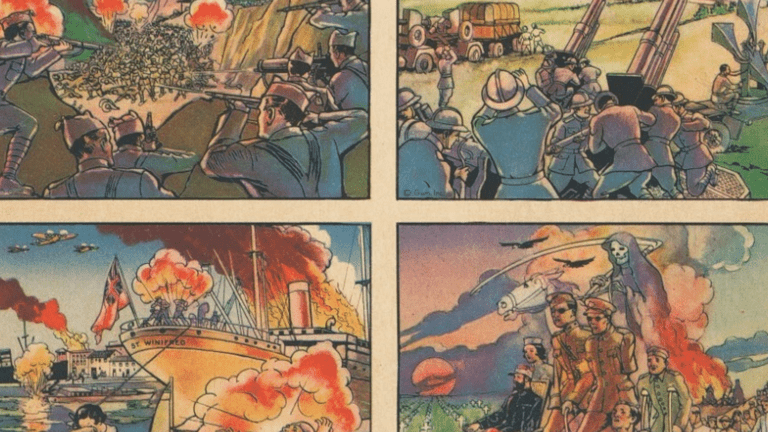
The frightful cost of war and a bubble gum card
On the eve of the Second World War, a Philadelphia gum manufacturer sold 100 million trading cards under a single banner: to know the horrors of war is to want peace.