Originally published on the CGS blog on August 5, 2010.
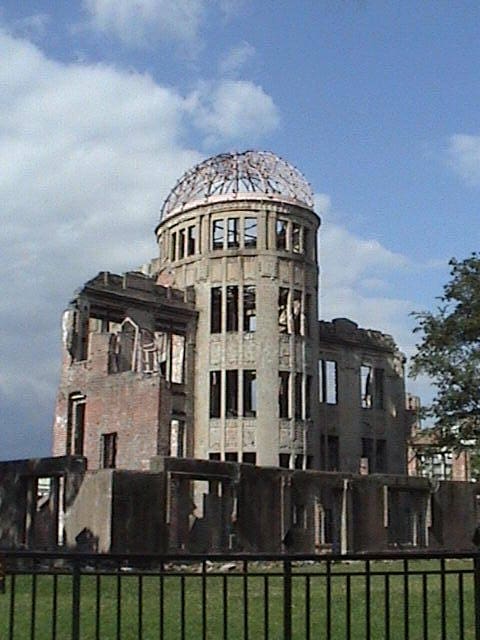
August 6th marks the 65th anniversary of Hiroshima. The atomic bomb, dropped from an American B-29 war plane on the morning of August 6, 1945, killed 140,000 people; some were incinerated mid-step on the pavement. In addition to U.N Secretary General, Ban Ki-moon, a U.S Ambassador will be present at the Japanese commemoration for the first time.
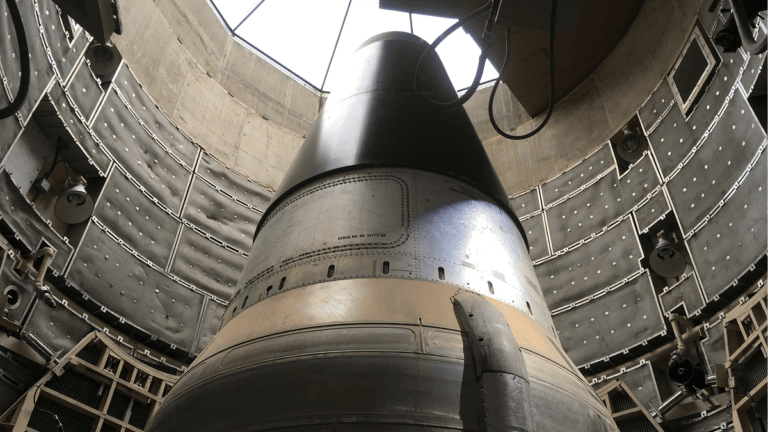
The invention of the bomb was one of many regrettable byproducts of a world at war. Bertrand Russell and Albert Einstein drafted a resolution in 1955 giving warning to the threat of nuclear war. They urged governments to “find peaceful means for the settlement of all matters of dispute.” There is greater demand than ever before for governments to find peaceful ways to settle disputes, often through treaties and international institutions. Despite the positive trend, there are still thousands of nuclear weapons looming in the arsenals of a handful of nations. These weapons have evolved significantly over the years. The codenames for the bombs dropped on Hiroshima and Nagasaki were “Little Boy” and “Fat Man” respectively. Today we are dealing with weapons of morbid obesity.
One of the most daunting threats to the continued survival of our world is nuclear war. Since nuclear weapons cannot be “un-invented”, we need to find the political will to confine them to the pages of history books. Political will is needed for nations to trust each other. It is needed for politicians to ratify treaties. Without it we cannot safely guarantee that we will be commemorating the 75th anniversary of Hiroshima.