As a response to the devastation of World War II, the drafters of the UDHR sought to ensure that human rights would be protected by the rule of law. The Declaration provides a statement of our civil, cultural, economic, political, and social rights.
The WCM links our universal rights to our identity as citizens of the world. Former WWII bomber pilot Garry Davis gave up his US citizenship in favor of world citizenship, launching the World Citizenship Movement in 1948 to promote peace and human unity.
The UDHR and the WCM offer a framework of universal rights and universal identity to achieve the peaceful and governed world envisioned in 1948 by both the drafters of the UDHR and World Citizen Garry Davis.
Although we have enumerated our rights over the past 75 years, we have not yet fully implemented them. To paraphrase Rousseau from The Social Contract, humans are born free, but everywhere we are in chains. We have empowered a governing system — the nation-state — that because it is partial, can never fully affirm our rights and duties. The nation-state system where states maintain absolute sovereignty enslaves us to corporate interests and national security at the expense of human needs and world security.
As we celebrate how far humanity has come in the past seventy-five years, and simultaneously recognize the many existential challenges we currently face — war, climate destruction, injustice – let’s consider what kind of world we want for humanity in 2098, seventy-five years from now on the cusp of the 22nd Century.
Over the next 75 years, we must build a human rights institutional architecture that affirms our universal rights. That framework must be built on the global rule of law, world law that applies to everyone, everywhere. We must recognize the importance of seeing ourselves as world citizens and must legalize this status.
To achieve the peaceful and just world that the drafters of the UDHR and the advocates of the World Citizenship Movement envisioned, we must build the law, citizenship and governing structures at the world level that will help humans live together peacefully with each other and sustainably with the earth based on the principles of universal rights and universal citizenship.
How do we arrive at 2098, 75 years from now, having built a peaceful, just, sustainable, and united world?
The UDHR must become a universal bill of human rights incorporated into a world constitution legally binding on everyone, everywhere. This would ensure that all governments, ranging from local town councils and nation-states to the world federal government would place rights above self-interest and the force of law above the law of force.
World citizenship must become a recognized legal status for everyone, everywhere. This would mean that no one would be stateless anymore. Everyone would be able to exercise all rights no matter where they are or where they go throughout the world.
We, humanity, must create a World Parliament to participate in governing the world as one united planet. This would put the rights of individuals above the power of states.
A World Court of Universal Rights must be established where individuals and groups could seek redress when local judicial systems fail them. A global judicial system with subsidiary regional courts would provide venues for people to resolve conflicts peacefully.
To secure our peacebuilding efforts, we must outlaw war and weapons manufacturing. We must use resources sustainably for peaceful means. Because war and its preparation are the biggest wasters of resources, we need to develop peace and indigenous-based economies that will protect the Earth and ensure humanity’s survival.
Ultimately, we must fulfill human needs, affirm rights, resolve conflict, and protect the environment. We must build an ethical identity and governing system that allows us to accomplish these human and planetary requirements and manage our human and environmental interactions equitably and peacefully.
In 1948, the UDHR and the World Citizenship Movement provided a vision of a united world as an alternative to absolute national sovereignty that perpetuates war and continues to fracture humanity. The UDHR and world citizenship together provide the ethical framework we need to have a thriving Earth community in 2098.
By fully implementing the Declaration of Human Rights and world citizenship, in 75 years from now, we will have transcended the “Divide and Conquer” approach in favor of a “Unite and Prosper” paradigm.
CGS Board Chair, Executive Director, and Board Members participated in Recommendations from the 2023 Congress of the World Federalist Movement-Institute for Global Policy
Critical issues for humanity, such as the climate/environment crisis, a global erosion in human and civil rights, lack of progress on the United Nations Sustainable Development Goals (SDGs), and the rise of armed conflicts and authoritarian regimes, require better global governance according to member organizations of the World Federalist Movement – Institute for Global Policy (WFM-IGP). The organizations reaffirmed their shared commitment to advancing effective global governance on 11 and 12 November 2023 at the 29th WFM-IGP biennial Congress, attended by 70 delegates and observers from 29 countries.
“International law and global governance mechanisms must be strengthened in order to better manage the critical problems facing humanity,” explained WFM-IGP Congress Chair Donna Park, based in Cincinnati, Ohio, USA. She further observed: “World Federalism offers an effective model for a peaceful, secure, just, democratic, equitable and sustainable world. The policies and programs advanced over the weekend would help humanity build such a world.”
To advance international law, human rights and justice, the Congress resolved to support an international treaty to codify and provide accountability for Crimes Against Humanity and strengthen its recently launched Legal Alternatives to War (LAW not War) program to enhance the universality and effectiveness of the International Court of Justice. The Congress also resolved to continue its active support of the International Criminal Court (ICC) and promote the establishment of additional judicial institutions to meet global challenges not under ICC jurisdiction, including crimes against the environment, corruption, organized crime and persistent and unchecked violations of human rights, ensuring effective remedies for victims.
“The challenges we face today require global solutions, and world federalism provides the necessary framework for effective international cooperation,” says Rebecca A. Shoot, Co-Chair of the WFM-IGP Commission on International Justice, the Rule of Law and Human Rights, working out of Washington, DC, USA. “Respect for the rule of law, support for international judicial institutions, and protection of human rights must be the bedrock of this cooperation. By adopting concrete proposals to apply these principles in practice, WFM-IGP and its member and affiliated organizations take important steps to advance the vision and promise of the UN Charter for a world governed by law not war.”
To promote peace and human security, the Congress discussed common security approaches to address and resolve armed conflicts. In addition, the Congress called on States to phase out policies of nuclear deterrence; affirm the norm and practice of non-use of nuclear weapons; adopt policies of no-first-use of nuclear weapons; slash nuclear weapons budgets and re-allocate these resources to peace, climate protection and the SDGs; and commit to achieve the global elimination of nuclear weapons no later than 2045, the 100th anniversary of the UN. The Congress also advanced governance proposals to protect outer space for peaceful purposes and to ensure effective governance of Artificial Intelligence.
To enhance environmental and economic governance, the Congress supported the work of the Climate Governance Commission to help establish effective environmental governance mechanisms. Congress also affirmed the joint initiative of WFM, Citizens for Global Solutions and the Climate Governance Commission to launch the Mobilizing an Earth Governance Alliance (MEGA) Program to implement CGC 2023 report recommendations and complementary global environmental governance proposals, including pricing carbon, elaborating the concept of Earth Trusteeship, reforming the Bretton Woods institutions, and creating an empowered Global Environment Agency and UN Parliamentary Assembly.
“At root, it is not an environmental crisis,” says John Vlasto, WFM-IGP Executive Board Chair, based in London, UK. “Humanity has created a global governance crisis – resolve this and we can unite to live in harmony with each other and with nature.”
“The concrete proposals and exciting campaigns advanced by the World Federalist Movement provide feasible approaches to managing the world better,” says Alyn Ware, WFM-IGP Program Director, based in Prague, Czech Republic. “By strengthening current global governance mechanisms, we can resolve international conflicts more justly and humanely, prevent war and facilitate global cooperation to protect the environment and ensure a sustainable world for current and future generations.”
This Congress comes at a challenging time for humanity and our planet. Action to animate these words is more necessary than ever. “We have only one world and need to preserve it. For this, we need Parliament at the UN to address the democratic deficit at the UN, disastrous global climate crisis, prevent wars, bring regulations in the use of outer space and Artificial Intelligence,” stated Dr James Arputharaj, WFM-IGP Executive Board Member based in Bangalore, India.
To move more resolutely toward a world federation of nations, Congress urged commencing a process for a UN Charter Review Conference based on Article 109(3) of the Charter to strengthen the United Nations and establish a UN parliament. This process would recognize sovereignty of planetary citizens as co-decision makers alongside States, backed with universal and enforceable rule of law; replace the war system with peaceful conflict prevention and resolution; and honor the earth’s ecological boundaries.
About the World Federalist Movement- Institute for Global Policy
The World Federalist Movement/Institute for Global Policy, founded in 1947, is a non- profit, non-partisan civil society organization that promotes global governance to address peace and security, human rights, the environment and other transnational issues. The organization is governed by its Congress, comprised of 43 member organizations from across the globe that work to determine the broad policy direction of the organization. For inquiries, please contact Alyn Ware, Program Director at ware@wfm-igp.org.
It seems each day provides us a fresh reason for pessimism. A new demonstration of the fraying social contract, especially at the international level. The pillars upon which the international order was built seem to be rapidly deteriorating—from territorial integrity to the laws of war to the breaking of promises—and we find ourselves asking: what is to be done? There is no need to provide a comprehensive summary here of the risks we face; compelling diagnoses exist of what ails the world and there is no shortage of sensible prescriptions. The UN Secretary General’s Our Common Agenda is a good recent example as are many other reports and analyses with a narrower focus, touching upon issues of climate and the environment, security, poverty and inequality, financial sector vulnerabilities, and other such risk factors.
There is also growing acceptance of the view that these problems are generally global in nature; they are transnational. Solutions to them can best be framed in a context of much stronger international cooperation. It is for this reason that the debate about actions to confront them often ends up with a focus on the system of multilateral institutions that emerged out of the ashes of World War II.
UN Reform a nonstarter?
One aspect of this debate is whether, against the current geopolitical background, it would even be prudent to talk about reforms to our global governance architecture. With the “abysmal political climate for international cooperation, with deep rifts and mistrust” some argue that “reform is a nonstarter,” that it is Alice in Wonderland to “discuss reforming the UN while ignoring the brutal contemporary political realities.”
Implicit in this position is the notion that time is on our side, that we can afford to wait for the ‘right’ geopolitical moment. And, until the stars align again, our task lies in making minor adjustments. Secretary-General Kofi Annan told the General Assembly in 2003 “we have reached a fork in the road.” This thought has been repeated countless times by other Secretaries-General, by well-meaning heads of state and, it is assumed, will continue to be repeated through 2045, the 100th anniversary of the adoption of the UN Charter.
But insights coming from systems science about the breaching of planetary boundaries—to take just one example—demonstrate that time is not on our side, that we have a rapidly narrowing window of opportunity to address and hopefully mitigate the worst effects of the coming environmental calamities. Or, likewise, to reduce the likelihood of the use of nuclear weapons in one of the many unresolved conflicts bubbling around the world. What, then, is to be done?
Three viable paths
There seem to be three viable paths, which can be pursued concurrently. The first path is to recommit ourselves to the system we have. There are tremendous benefits to this—most notably that it would be a return to consensus. At this moment of great crisis, there is a legitimate case to be made that the safest route is the surest route—at least in the short term. However, that is also a limiting prospect and runs the risk of determining that the best we can do is to continue doing what we have already done. Perhaps more importantly, if we are conscious that the system as it stands is increasingly insufficient, by choosing only this path we are in a way admitting defeat at the outset.
The second course of action is to take the model we have and innovate. This is the course of action offered through the upcoming Summit of the Future and its attendant proposals including a New
Agenda for Peace, proposals for financial architecture reform, and even Article 109. There is significant merit in this course of action, as well: it offers an opportunity for questioning the structures we have without undoing the progress they have made. In other words, it allows for organic growth. Yet, there are risks here, too—in that we could end up investing significant time and energy to perpetuate a system ill-suited to our interconnected reality; or that we achieve only marginal progress, or, worse still, the process results in greater political fragmentation and mistrust.
The third course of action is a deeper exploration into the persistent challenges underlying our current systems and a search for new solutions. Essentially, questioning underlying assumptions and finding new answers. This course of action excites us most—in large part because we do not believe that the current frameworks are sufficient for the world of today, let alone tomorrow. In other words, when we imagine a century ahead, we just can’t picture a global governance system where Member States are expected, even required, to prioritize their domestic concerns when discussing international matters. We can’t imagine that a successful governance system would continue to prioritize a profit motive, a power motive, over the wellbeing of citizens and nature. Yet the system we have (even if modified as in option two) does just this. We will also be the first to admit that this may not be the most politically realistic course for today, but it will one day be the path we must choose. Why not begin it now given its far-reaching implications?
We do not need to choose merely one of these three options. We are at a moment where many opportunities open before us. The international order is struggling under the weight of the crises we face—both new and old. Let us use this consensus as a starting point to commit to what we have, to see what meaningful change can come from the processes in progress, and to rethink the current order from our starting assumptions. In essence, a little bit of each viable path is the ultimate expression of the precautionary principle for global governance.
Overcoming paralysis
One problem with concluding that the current political impasses make UN reform a nonstarter is that it leads to paralysis. It results in proposals that are the intellectual equivalent of rearranging the deckchairs as the ship is sinking. We are not suggesting ignoring the political realities of this moment but trying to see what the future holds. One day, we will need to move beyond traditional paradigms, beyond “reinforcing the crumbling foundations” of the current system. Humanity will need to articulate a new architecture, better suited to the needs of a rapidly changing humanity.
Importantly, it is not only governments who can advance this conversation—in fact this might be a key to overcoming some of the seemingly intractable obstacles to reform. As was noted in A Second Charter: Imagining a Renewed United Nations, numerous global governance innovations over the past quarter century were not initiated by governments. They started with civil society organizations: the Land Mines Treaty, the creation of the International Criminal Court, and the adoption of the Treaty on the Elimination of Nuclear Weapons, to cite some recent examples. At a later stage, many governments adopted them. This is the “new diplomacy” in action.
At the end of World War II, and because of the destruction created by that conflagration, humanity had an opportunity to imagine something better suited to the needs of, in particular, the European continent. If in 1945 one had ventured to suggest that within a generation Europe would be advancing a project of economic and political integration, that by the late 1970s there would be direct elections for members of an increasingly influential European Parliament, and that by end of the century the broad parameters of monetary policy would be set by a European Central Bank based in Germany managing a single currency, one might have been accused of “Wonderland thinking”. And yet, it was the very political turmoil of that moment which allowed for this evolution to take place.
Today, we cannot afford to wait for what is called a “San Francisco” moment. Recall how that gathering came only after a global catastrophe prompted humanity to dare to think differently and engage in a reform process. Yet, today’s generation is carrying the legacy of the imperfections bequeathed to it. Let us not wait for another catastrophe before we engage in meaningful reform processes. In addition to recommitting to promises made, in addition to technical modifications, let us take that leap of imagination necessary to prevent future global catastrophes. Who knows, perhaps in a few decades, like the European case, future generations will be amazed at what we were able to achieve.
This article was originally published in Global Governance Forum’s blog.
Pope Francis released this apostolic exhortation “to all people of good will on the climate crisis” on October 4, the feast day of St. Francis of Assisi. Its Latin title refers to the message of St. Francis to “praise God for all of God’s creatures.” (#1) This letter to the world is an addendum to his 2015 encyclical “Laudato Si” (“Praise Be,” the beginning words of a canticle by St. Francis). That encyclical is known as “On Care for Our Common Home.”
Pope Francis decided to write Laudate Deum because “climate change is one of the principal challenges facing society and the global community” (#3) but he is gravely disappointed that “our responses have not been adequate.” (#2) The acceleration of global warming is evident now. “Despite all attempts to deny, conceal, gloss over or relativize the issue, the signs of climate change are here and increasingly evident.” (#5)
According to Pope Francis, “it is no longer possible to doubt the human–‘anthropic’–origin of climate change.” (#11) He says that it is a fact that the average global temperature has risen dramatically with the increase use of fossil fuels. The consequence is the melting of glaciers and the polar regions, the acidification of the oceans, and the rising of sea level. He concludes that “the change in average surface temperatures cannot be explained except as the result of the increase of greenhouse gases.” (#14) He believes that some effects of the climate crisis are already irreversible.
What has gotten us to this point? Pope Francis argues that a growing technocratic paradigm that exploits nature because of unbridled power and economic ambition is the underlying issue. Humans have forgotten that we are part of nature and that how we interact with the rest of nature affects our future. Therefore, “we need to rethink among other things the question of human power, its meaning and its limits.” (#28) We need to reassess an economic mentality about maximum gain at minimal cost because such an attitude has serious consequences about care of our common home and care for the poor and needy.
The 2015 Paris Agreement has ambitious goals that are not currently being met. Pope Francis hopes that the next climate conference will lead to the “necessary transition towards clean energy sources such as wind and solar energy, and the abandonment of fossil fuels.” (#55)
Pope Francis also addresses the weakness of international politics. Individual nations acting alone cannot solve the climate crisis or any of our other global problems. He says that we need multilateral agreements based on the principle of subsidiarity. Solving global problems requires “establishing global and effective rules” (#42) and “increased ‘democratization’ in the global context.” (#43)
The reason why humanity has been unable to solve major global problems is because of our current international system of sovereign nation-states. International law is a system of non-binding treaties. No nation is required to become a party to any international treaty. National governments that enter into treaties can withdraw from them or ignore them based on their perceived national interest.
In Laudato Si, Pope Francis agreed with several previous popes that “there is urgent need of a true world political authority.” (#175) Many Catholic leaders have been arguing that outlawing war and genocide as well as solving global problems such as climate change will require a truly effective democratic world public authority that can create and enforce world laws and prosecute individuals who violate them. Until such a system is created, Pope Francis says that it is imperative that national governments become parties to effective environmental treaties and that they keep their treaty obligations.
With this letter to the global community, Pope Francis continues his warning about the existential crisis caused by climate change. He emphasizes the physical and spiritual dimensions of this crisis. This letter needs to be studied by members of the world community because it concerns the future of our common home.
In December 1934, Arthur Henderson, a leader of the British Labour Party, declared in his speech accepting the Nobel Peace Prize that the immense human suffering caused by World War I “led to the very clear realization that international anarchy must be abandoned if civilization was to survive.”
Unfortunately, that realization did not go very far or very deep. Although, since that time, international law has been refined, nations remain far from adhering to its provisions or accepting its enforcement by the United Nations.
The Arab-Israeli Conflict
The lengthy, bloody conflict between the Israelis and their Arab neighbors provides a dramatic illustration of this point.
On November 29, 1947, the UN General Assembly adopted a plan to replace the British Mandate in Palestine with a partition of that land between a Jewish state and a Palestinian state. The UN decision was fiercely resented by the surrounding Arab nations, which launched a war against the new Jewish state, Israel—a war from which Israel emerged victorious in 1948.
This victory did not end the violence, however, or the violations of international law. Having fled abroad from the fighting in 1948, over 700,000 Palestinians, in contravention of international law, were denied the right to return to their homes in Israel. Egypt, which, in 1956, had agreed under UN pressure to the demilitarization of the Sinai Peninsula, expelled UN observers in 1967, massed its troops on Israel’s border, and together with Jordan, readied itself to invade Israel. In turn, Israel launched devastating attacks on Egyptian, Jordanian, Syrian, and Iraqi military forces. Victorious in this Six-Day War, Israel gained control of the Sinai Peninsula, the Gaza Strip, the West Bank, and the Golan Heights.
Over the ensuing decades, numerous violent clashes followed, with Israel, now the dominant military power in the region, defeating Arab and Palestinian resistance. Meanwhile, Israel defied international law by continuing to occupy the territory conquered in 1967, colonizing it with Jewish settlements, and violating the human rights of its Palestinian residents. For their part, Hamas terrorists, dedicated to unremitting war against Israel, committed horrendous war crimes against noncombatants in clear violation of the 1949 Geneva Conventions. When the Israeli government deprived Gaza’s civilian population of food, water, and other essentials of survival, it, too, defied international law.
The Russia-Ukraine War
The Russian invasion of Ukraine provides another clear example of flouting international law. Article 2, Section 4 of the UN Charter prohibits the “use of force against the territorial integrity or political independence of any state.” Ukraine had been an independent, sovereign nation since 1991, when the Soviet Union authorized a referendum on whether it wanted to become part of the new Russian Federation or to become independent. In the balloting, 90 percent voted for independence, which was formally accepted. Three years later, in the Budapest Memorandum, the Russian government pledged to “respect the independence and sovereignty and the existing borders of Ukraine” and to “refrain from the threat or use of force” against that nation.
Nevertheless, in 2014 the Putin regime drew upon Russian military power to seize and annex Crimea in southern Ukraine and to arm pro-Russian separatists and unleash its own thinly-disguised military forces in eastern Ukraine. In February 2022, the Russian government, determined to seize full control of Ukraine, launched a massive military invasion. Although fierce resistance by the Ukrainians prevented a complete Russian takeover, that September Putin announced the annexation of four additional regions of Ukraine, declaring that Russia would never surrender them.
Most of the world’s nations assailed this behavior as a flagrant violation of international law. In March 2014, after a Russian veto blocked a UN Security Council rebuke, the UN General Assembly voted by an overwhelming margin to condemn the Russian action that year. In March 2022, amid a new Russian veto of UN Security Council action, the UN General Assembly roundly condemned the full-scale Russian invasion by a vote of 141 to 5 (with 35 abstentions), while the International Court of Justice, the world’s highest judicial authority, voted by 13 to 2 (with Russia’s judge casting one of the negative votes) that Russia should “immediately suspend” its invasion. That October, the UN General Assembly, by a vote of 143 nations to 5 (with 35 abstentions), called on all nations to refuse recognition of Russia’s “attempted illegal annexation” of Ukrainian territory.
The Renewed Nuclear Arms Race
Perhaps the most chilling manifestation of international anarchy is the renewed nuclear arms race. Recognizing the potential for worldwide destruction in a nuclear war and pressed for action by an uneasy public, the nations of the world did, eventually, sign nuclear arms control treaties. Among these agreements was the nuclear Nonproliferation Treaty of 1968, in which non-nuclear nations pledged to forgo building nuclear weapons, while the nuclear nations agreed to divest themselves of their nuclear arsenals. Nevertheless, in recent decades, additional nations have become nuclear powers, while existing nuclear powers have scrapped previous nuclear disarmament agreements. Symptomatically, the nuclear powers oppose the UN Treaty on the Prohibition of Nuclear Weapons, which became international law in 2021.
Indeed, all the nuclear nations are currently engaged in nuclear weapons buildups―planning and developing new, more efficient weapons of mass destruction. Some government officials, among them Vladimir Putin, publicly threaten to launch nuclear war against nations opposing their international policies.
The planet faces a perilous future, indeed, particularly when one considers that, as of early 2023, it was undergoing the largest number of violent conflicts since World War II.
Global Governance
Against this backdrop, it’s tempting to conclude that, thanks to the apparently ungovernable nature of the world, the annihilation of civilization is inevitable. But is the world ungovernable―or merely lacking an effective government?
Given the fact that the United Nations was created to guarantee international security, a logical solution to the problem of effective governance is to strengthen the ability of the world organization to enforce international law. By curbing international anarchy, this action would prevent marauding nations and armed bands alike from indulging their worst impulses. It would also significantly enhance the prospects for peace, justice, and human survival.
Addressing the UN Security Council on September 20, 2023, Ukrainian President Volodymyr Zelensky delivered a heartfelt plea “to update the existing security architecture in the world, in particular, to restore the real power of the UN Charter.”
This call for strengthening international security under the aegis of the United Nations makes sense not only for Ukraine―a country suffering from brutal military invasion, occupation, and annexation by its much larger, more powerful neighbor, the Russian Federation―but for the nations of the world.
The Rise of the United Nations
For thousands of years, competing territories, nations, and empires have spilled rivers of blood and laid waste to much of the world through wars and plunder. Hundreds of millions of people have died, while many more have been horribly injured or forced to flee their shattered homelands in a desperate search for safety. World Wars I and II, capped off by the use of nuclear weapons to annihilate the populations of entire cities, brought massive suffering to people around the globe.
In 1945, this mad slaughter and devastation convinced far-sighted thinkers, as well as many government leaders, that human survival was dependent upon developing a framework for international security: the United Nations. The UN Charter, adopted in a conference in the spring of that year in San Francisco by 50 Allied nations, declared that a key purpose of the new organization was “to maintain international peace and security.”
The UN Charter, which constitutes international law, included provisions detailing how nations were to treat one another in the battered world emerging from the Second World War. Among its major provisions was Article 2, Section 4, which declared that “all members shall refrain in their international relations from the threat or use of force against the territorial integrity or political independence of any state.” Furthermore, Article 51 declared that “nothing in the present Charter shall impair the inherent right of individual or collective self-defense if an armed attack occurs against a member of the United Nations.”
The Role of the Security Council
Although the UN Charter provided for a General Assembly in which all member nations were represented, action to maintain international peace and security was delegated primarily to a UN Security Council with fifteen members, five of whom (the United States, the Soviet Union, China, Britain, and France) were to be permanent members with the right to veto Security Council resolutions or action.
Not surprisingly, the right of any of these five nations to block Security Council peace efforts, a right they had insisted upon as the price of their participation in the United Nations, hamstrung the world organization from enforcing peace and international security on numerous occasions. The most recent instance has occurred in the case of the Ukraine War, a conflict in which, as Zelensky lamented, “all [Security Council] efforts are vetoed by the aggressor.” As a result, the United Nations has all too often lacked the power to enforce the principles of international law confirmed by its members and enshrined in its Charter.
Some people are perfectly content with the weakness of the United Nations. Fierce nationalists, including some Right-Wing actors, are contemptuous of this or any international security organization, and many would prefer its abolition. Others have little use for the United Nations but, instead, place their hopes for the maintenance of international peace and stability upon public and governmental acceptance of great power spheres of influence. Meanwhile, a segment of the international Left ignores the United Nations and insists that world peace will only be secured by smashing “U.S. imperialism.”
Sadly, those forces opposing international organization and action fail to recognize that their proposals represent not only a return to thousands of years of international strife and mass slaughter among nations, but, in today’s world, an open door to a nuclear holocaust that will end virtually all life on earth.
Proposals to Strengthen the United Nations
Compared to this descent into international chaos and destruction, proposals to strengthen the United Nations are remarkably practical and potentially effective. Zelensky has suggested empowering the UN General Assembly to overcome a Security Council veto by a vote of two-thirds or more of the Assembly’s nations. In addition, he has proposed expanding the representation of nations in the Security Council, temporarily suspending membership of a Security Council member when it “resorts to aggression against another nation in violation of the UN Charter,” and creating a deterrent to international aggression by agreeing on the response to it before it occurs.
Of course, there are numerous other ways to strengthen the United Nations as a force for peace and to help ensure that it works as an effective international agency for battling the onrushing climate catastrophe, combating disease pandemics, and cracking down on the exploitative practices of multinational corporations. Its member nations could also rally behind the UN Treaty on the Prohibition of Nuclear Weapons (still unsigned by the nuclear powers), agree on a UN program to handle the burgeoning international refugee crisis, and provide the world organization with substantially greater financial resources to reduce global poverty and mass misery than it currently receives.
Indeed, the horrific Ukraine War is but the latest canary in the coal mine―the danger signal that people of all nations should recognize as indicating the necessity for moving beyond national isolation and beginning a new era of global responsibility, cooperation, and unity.
This September is the sixtieth anniversary of U.S. and Soviet ratification of the world’s first significant nuclear arms control agreement, the Partial Test Ban Treaty. Thus, it’s an appropriate time to examine that treaty, as well as to consider what might be done to end the danger of nuclear annihilation.
The Rise of Public Pressure
Although the use, in 1945, of atomic bombs to destroy Hiroshima and Nagasaki unleashed a wave of public concern about human survival in the nuclear age, it declined with the emergence of the Cold War. But another, even larger wave developed during the 1950s and early 1960s as the nuclear arms race surged forward. At the time, the governments of the United States, the Soviet Union, and Britain engaged in testing a new nuclear device, the H-bomb, with a thousand times the power of the atomic bomb.
Many people found this situation alarming. Not only did the advent of H-bombs point toward universal doom in a future war, but the testing of the weapons sent vast clouds of radioactive “fallout” into the atmosphere, where it drifted around the planet until it descended upon the populace below. In 1957, Professor Linus Pauling, a Nobel Prize winner in chemistry, predicted that, thanks to the nuclear tests already conducted, a million people would die early, and 200,000 children would be born with serious mental deficiency or physical defects.
In reaction to this growing menace, millions of people around the world began to resist nuclear weapons. They formed new, activist organizations, including the National Committee for a Sane Nuclear Policy (better known as SANE) and Women Strike for Peace (in the United States), the Campaign for Nuclear Disarmament (in Britain, Canada, Australia, and New Zealand), the Japan Council Against A & H Bombs and the Japan Congress Against A & H Bombs (in Japan), and the Struggle Against Atomic Death (in West Germany). Even in the Soviet bloc, concerned scientists pressed for an end to the nuclear arms race.
Governments Reluctantly Begin to Alter Public Policy
Government officials in nuclear-armed nations, troubled by the rising agitation, as well as by opinion polls showing widespread popular distaste for nuclear testing, nuclear weapons, and nuclear war, gradually began to adapt their policies to the demands of the public. Meeting with top scientists in the U.S. nuclear weapons program, U.S. President Dwight Eisenhower told them that the U.S. government was “up against an extremely difficult world opinion situation” and that the country “could not permit itself to be ‘crucified on a cross of atoms.’” If U.S. nuclear testing continued, U.S. Secretary of State John Foster Dulles warned the president, “the slight military gains” would be “outweighed by the political losses.”
Accordingly, in 1958, the Soviet, American, and British governments halted nuclear testing while beginning negotiations for a test ban treaty. Failing to secure an agreement, they resumed nuclear tests in 1961, which led to nuclear testing remaining a very hot political issue for people and governments alike.
Into this controversy stepped Norman Cousins, the editor of a widely-read public affairs magazine, the Saturday Review and, also, ardent world federalist and founder and co-chair of SANE. During a lengthy meeting at the White House with President John F. Kennedy in November 1962, Cousins inquired if the president would like him to meet with Soviet Premier Nikita Khrushchev to try to smooth the diplomatic path toward a nuclear test ban treaty. Kennedy responded affirmatively and, in the following months, Cousins shuttled back and forth between the two world leaders. Ultimately, Cousins overcame Khrushchev’s suspicions of Kennedy and, then, convinced Kennedy to deliver a major speech with “a breathtaking new approach” to Soviet-American relations.
This American University address, partially written by Cousins, proved an immediate success with Khrushchev. Test ban negotiations commenced in Moscow during July 1963, resulting in the Partial Test Ban Treaty―banning nuclear testing in the atmosphere, in outer space, and under water.
The Significance of the Treaty and Its Successors
From the standpoint of ending the nuclear arms race, the treaty had its limitations. Because the treaty left unaddressed the issue of nuclear testing underground, the nuclear powers and aspiring nuclear powers simply shifted nuclear tests to this new locale. Furthermore, with nuclear fallout no longer a major public concern, popular pressure to halt nuclear testing―and, thereby, choke off the arms race―declined.
Nevertheless, the Partial Test Ban Treaty proved a turning point in world history. Together with the nuclear disarmament campaign that produced the treaty, it reduced Cold War hostility and ushered in a period of détente between the U.S. and Soviet governments. Furthermore, widespread nuclear proliferation, which seemed imminent at the time, failed to materialize. Even today, sixty years later, there are only nine nuclear powers.
Most important, the treaty demonstrated that nuclear arms control and disarmament were feasible. And so a host of treaties followed that substantially reduced nuclear dangers. These included the Nonproliferation Treaty, Strategic Arms Limitation Treaties, the Intermediate-Range Nuclear Forces Treaty, Strategic Arms Reduction Treaties, and the Comprehensive Test Ban Treaty. Through these treaties, as well as through unilateral action―both spurred on by popular pressure―the number of nuclear weapons in the world dropped sharply, from 70,000 to roughly 12,500. Meanwhile, nuclear war became increasingly unthinkable.
Even so, it remains possible to get nations back on track toward international security. Citizens for Global Solutions has signed on to a joint statement for the forthcoming Nonproliferation Treaty conference that calls for a Common Security framework approach as an alternative to nuclear deterrence. The statement was presented at the recent NPT preparatory conference by the chair of the World Federalist Movement and has been endorsed by 170 organizations. In a few weeks, CGS will also co-host a parliamentary delegation from Japan and the Republic of Korea that will be welcomed by U.S. Senator Ed Markey (D-MA), one of the staunchest congressional advocates of nuclear disarmament.
Furthermore, the treaty process provides a useful route toward a nuclear-free world. As the Partial Test Ban Treaty and its successors show us, arms control and disarmament treaties have helped to curb the nuclear arms race and prevent nuclear war. The revived march toward nuclear catastrophe can be halted and reversed by a treaty finally banning nuclear weapons―if people will demand it.
One of the most wonderful qualities about Daniel Ellsberg, (1931-2023), is that unlike too many of us he got better and better as he grew older. Maybe we all hope we will — even if we fail to fully meet that goal — but he is a genuine hero in American history who truly got wiser and wiser throughout his long life.
For many years during my working life in Washington, D.C. when I was running an idea salon and representing philanthropist Stewart Mott in a historic building just behind the Capitol between the Supreme Court and the Senate Office buildings, Dan Ellsberg was a frequent visitor to 122 Maryland Avenue. During the 1970’s and ’80’s I would encounter him walking the halls on the first, second and third floors, meeting with Morton Halperin, Admirals Gene laRocque and Gene Carroll and others who were running Fund forPeace Projects which were our tenants in this four-story 1820 building. He was intense, focused and friendly. Everybody around here was engaged in peace efforts, military reform, national security and foreign policy rethinking. It was a veritable hotbed of good ideas for policies to make our country more open, honest, accountable as well as instrumental in getting us to a better world. The US Pentagon’s first famous cost overruns whistleblower, A. Ernest Fitzgerald, another frequent visitor liked to joke that this was the House of Un-American Activities — but it was in fact exactly the opposite.
Dan Ellsberg had not always been an anti-nuclear analyst and advocate. After Harvard (summa cum laude in economics), a stint at Cambridge University in England and a PhD from Harvard, he worked for the US State Department as a nuclear war planner, and went to South Vietnam and then to the RAND Corporation, contributing to a 47-volume study of classified documents on the conduct of the Vietnam War that was completed in 1968.
I was privileged to know two of his associates who influenced his later life. Anthony (Tony) Russo who was also employed by RAND when he worked with Ellsberg to make multiple copies of the Pentagon Papers as that huge 1968 study had come to be known. Randy Kehler, also a member of Citizens for Global Solutions National Advisory Council (CGS NAC), first influenced Ellsberg at a conference in 1969 when he said he was going to prison for draft resistance against the Vietnam War. He said it was the right thing to do. And Ellsberg wrote later that ‘if I hadn’t met Randy Kehler it wouldn’t have occurred to me to copy (the Pentagon Papers).’ Later that year the deed was done. But it was made public by TheNew York Times in 1971.
Among his several books, his most recent, The Doomsday Machine was first published in 2017. Dan Ellsberg asked me to read it and see what I thought in 2019. A wonderful read! We had a number of deep conversations and that was when I thought he would be a great member of the CGS NAC. He readily agreed. In this last book he discusses the intolerable dangers to the survival of a civilization that nuclear weapons pose if used. In all the years since the end of the Cold War, Ellsberg points out that we still have these Doomsday systems in place. He quotes Martin Luther King observing that ‘There is no such a thing as being too late.’ He also offers a lead quotation from Albert Einstein in 1946 (another former NAC member), ‘The unleashed power of the atom has changed everything save our modes of thinking, and thus we drift toward unparalleled catastrophe.’
Ellsberg was awarded the Ron Ridenhour Inaugural Courage Prize in 2004, among numerous other honors. We were fortunate to have him with us on our CGS National Advisory Council in his last years as he symbolizes a big, influential thinker for our time and our future.
The first time that many religious representatives met with each other was at the World Parliament of Religions in Chicago in 1893. Three of the goals of this gathering were to show “what and how many important truths the various Religions hold and teach in common;” to discover “what light Religion has to throw on the great problems of the present age;” and “to bring the nations of the earth into a more friendly fellowship, in the hope of securing permanent international peace.” The president of this Parliament proclaimed, “Henceforth the religions of the world will make war, not on each other, but on the giant evils that afflict humanity.” But after two world wars, the Holocaust and other genocides, the Cold War with massive nuclear proliferation, and over eighty wars since the end of the Second World War, many people representing many different religions realized the need for modern Parliaments in order to address our current global problems.
So in 1993 many religious leaders in Chicago organized the first modern Parliament. The other modern Parliaments were then held in Cape Town, South Africa in 1999, in Barcelona, Spain in 2004, in Melbourne, Australia in 2009, in Salt Lake City, Utah in 2015, in Toronto, Canada in 2018, virtually in 2021, and most recently back in Chicago this year from August 14 to 18. I have been fortunate to participate in all of these modern Parliaments.
The modern Parliaments are religious conventions that are open to anyone who is committed to learning about other religions and dialoging with people from other religions. Each day of the Parliament involves meetings, presentations, and panels about the beliefs and practices of different religions or about humanity’s most pressing problems: violence, human rights atrocities, poverty, racism, gender inequality, war and genocide, nuclear weapons, and environment degradation due to global warming. Leaders of various groups within Judaism, Christianity, Islam, the Baha’i Faith, Zoroastrianism, Hinduism, Buddhism, Sikhism, Jainism, Confucianism, Taoism, and other religious groups gave speeches in the plenary sessions about how they think these global problems can be solved.
The theme of the 2023 Parliament in Chicago was “A Call to Conscience: Defending Freedom and Human Rights.” There were over 7,000 attendees at this Parliament in Chicago, representing about 100 countries and over 200 different religious groups. There were over 100 sessions or presentations during each day of the Parliament. There were many opportunities to attend different religious services at the Parliament. Many dances and songs performed by various religious groups were also part of this global experience. Every day a large group of Sikhs offered a free meal of traditional Indian food to large groups of participants. Everyone who attended these langars was asked to follow the Sikh custom of removing one’s shoes and covering one’s head with a turban or a cloth.
There was a major emphasis at this latest Parliament on the Declaration of a Global Ethic. It was written by a group of scholars from different religions for the 1993 Parliament. The Global Ethic emphasizes a commitment to a culture of non-violence and respect for life, solidarity and a just economic order, tolerance and a life of truthfulness, equal rights and partnership between men and women, and sustainability and care for the Earth. These principles reflect the ancient commandments taught in some way by all of the major religions: ‘you shall not murder/kill, steal, lie, or commit adultery.’ According to the Global Ethic, people from every religion or no religion can agree on universal ethical values such as non-violent conflict resolution, honesty, human rights, labor rights, working against corruption in government and economics, working for justice, and protecting the environment.
Another document that was emphasized at recent Parliaments is the Charter for Compassion. This Charter is based on the Golden Rule that has been taught by all of the major religions in various formulations. The Charter calls upon all to restore compassion to the center of morality and religion, to reject any interpretation of scripture that breeds hatred or violence, to teach accurate and respectful information about other religions, to appreciate cultural and religious diversity, and to cultivate empathy for the sufferings of others, even those regarded as enemies. Because of the modern Parliaments, many cities around the world have declared themselves to be Compassion Cities.
There were several sessions at the 2023 Parliament that emphasized the need for a democratic world federation. One was led by Sovaida Ma’ani Ewing, a representative of the Baha’i Faith. She argued that war, climate change, mismanagement of natural resources, proliferation of nuclear weapons, and financial upheavals can best be solved by establishing collective decision-making institutions that can evolve into a democratic world federation of nation-states. Bruce Knotts, the President of Citizens for Global Solutions and a Trustee of the Parliament, was involved in many sessions in Chicago. Rebecca Shoot, the Executive Director of Citizens for Global Solutions, was a panelist on a session about how to eliminate nuclear weapons.
Many modern philosophers and religious leaders have realized that there will be no peace among the nations without peace among the religions. Furthermore, there will be no peace among the religions without dialogue among the religions. I am convinced that the Parliaments of the World’s Religions are important forums for promoting world citizenship, compassion, and a global ethic for the global community. The world’s religions have a responsibility of building a secure foundation for these values so that a democratic system of enforceable world laws can outlaw war and solve our global problems
Today, August 1, 2023, Citizens for Global Solutions (CGS) welcomes Bruce Knotts as its incoming President, succeeding Bob Flax, whom CGS congratulations on his retirement.
In his new capacity, Mr. Knotts will represent CGS as a pro bono and ex officio member of our Board of Directors, working closely with CGS Executive Director Rebecca Shoot, who continues in her leadership role and maintains responsibility for the organization’s daily functions and programs. CGS Education Fund Vice Chair and Action Network Chair Matt McDonough remarked of the transition:
“It is with profound gratitude that we say farewell to our current President. Bob Flax has guided this organization to a restructuring of or board, our Committees, and our staff. Bob is leaving us with a comprehensive road map called a Theory of Change. As a result of Bob’s skill and dedication we are poised to move to the next level of our mission.
And, in Bruce Knotts, we have just the leader to guide us through these steps. During his long career as a U S Department of State diplomat and his second career as an officer in large nonprofits, Bruce has developed both skills and contacts that he will put to good use as he helps to build toward the organization he sees us becoming. We all look forward to growing our organization under Bruce’s auspices.”
Mr. Knotts began his career as a Peace Corps Volunteer in Ethiopia, followed by deployments in Saudi Arabia and Somalia (the latter with the World Bank), before joining the Department of State as a U.S. diplomat in 1984. Over the course of his State Department career, he had diplomatic assignments in Greece, Zambia, India, Pakistan, Kenya, Sudan, Côte d’Ivoire, where he served as Regional Refugee Coordinator for West Africa, and The Gambia, where he served as Deputy Chief of Mission. He also worked closely with several UN Special Representatives and observed UN peacekeeping operations in Sierra Leone from 2000-2003. Upon his retirement from the Foreign Service, Mr. Knotts began directing the Unitarian Universalist United Nations Office (UU-UNO) in 2008. He has founded faith-based advocacy initiatives for sexual orientation/gender identity human rights at the United Nations and continues to advocate for the rights of women, indigenous peoples, and sustainable development in moral terms of faith and values.
On the occasion of Mr. Knotts’ appointment, Ms. Shoot reflected, “Bruce embodies CGS’s vision, mission, and values. From his time in the Peace Corps through his diplomatic career, human rights advocacy, and representation at the United Nations, his life and work animate our organization’s commitment to global cooperation for the betterment of humanity and our planet. CGS will benefit greatly from his thought leadership and I look forward to our cooperation as our organization continues to flourish and grow.”
Concurrent with his role at CGS, Mr. Knotts will continue to serve as the chair of the Non-Governmental Organization (NGO) Committee on Disarmament, Peace, and Security; as co-chair of the UN NGO Committee on Human Rights; as a member of steering committee of the NGO UN Security Council Working Group; and as the UN representative of the International Convocation of Unitarian Universalist Women.
Contact: Rebecca Shoot at outreach@globalsolutions.org
Influencer, educator, environmentalist, feminist, champion of women and children’s rights, TEDx speaker, Climate Reality Mentor, author, musician, peace and sustainability campaigner
Kehkashan Basu, M.S.M., MBA is an iconic global influencer, educator, environmentalist, feminist, champion of women and children’s rights, TEDx speaker, Climate Reality Mentor, author, musician, peace and sustainability campaigner. She is the recipient of Canada's Meritorious Service Medal and the only Canadian to win the International Children’s Peace Prize. A Forbes 30 Under 30 and the first-ever Winner of the Voices Youth Gorbachev-Schultz Legacy Award for her work on nuclear disarmament, Kehkashan is a United Nations Human Rights Champion, a National Geographic Explorer, a UNCCD Land Hero, a UN Habitat Young City Champion, the Regional Organizing Partner for North America for the NGO Major Group and one of Canada's Top 100 Most Powerful Women.
Kehkashan is the Founder-President of global social innovation enterprise Green Hope Foundation, that works at a grassroots level in 28 countries, empowering over half a million young people and women, especially those from vulnerable communities, turning Education for Sustainable Development into ground-level action by harnessing clean energy technology for social good. She has spoken at over 500 United Nations and other global fora. She is the Co-President of the World Federalist Movement/Institute for Global Policy, Trustee of the Parliament of the World's Religions, Co-Lead of UN Women Generation Equality Forum's Action Coalition on Feminist Action for Climate Justice and a member of the World Humanitarian Forum Youth Council.
She is the recipient of several awards that include the Spirit of the United Nations Award, World Literacy Award for Significant Contribution to Literacy by a Young Person, Canada's Global Energy Show Emerging Leader Award, Dubai Supreme Council of Energy's Emirates Energy Award and the Pax Christi Toronto Teacher of Peace Award. Kehkashan was listed as one of the Top 100 SDG Leaders in the world in 2019 and was named the 2019 Innovator of the Year at the HundrEd Innovation Summit for her global work on Sustainability Education. Kehkashan holds an MBA from Cornell University and an Honours BA with High Distinction in Environmental Studies from the University of Toronto.
Augusto Lopez-Claros
International Economist and the Executive Director of the Global Governance Forum
Augusto Lopez-Claros is an international economist and the Executive Director of the Global Governance Forum. He has published several books on global governance reform and is currently spearheading the Global Governance Forum’s drafting of a Second United Nations Charter. He brings more than 30 years of experience in international organizations, including most recently as director of the Global Indicators Group at the World Bank, one of the departments within the Bank’s research Vice Presidency. Previously he was chief economist at the World Economic Forum, where he directed the Global Competitiveness Program and edited the Global Competitiveness Report, the Forum’s flagship publication. Before joining the Forum, he worked for several years in the financial sector in London, with a special focus on emerging markets. He was the International Monetary Fund’s Resident Representative in Russia during the 1990s. He has also been a Senior Fellow at the Edmund Walsh School of Foreign Service at Georgetown University. Educated in England and the United States, he received a diploma in Mathematical Statistics from Cambridge University and a Ph.D. in Economics from Duke University. Recent publications include “Removing Impediments to Sustainable Economic Development: The Case of Corruption” (2015), Equality for Women = Prosperity for All (2018, St. Martin’s Press) andGlobal Governance and the Emergence of Global Institutions for the 21 Century(2020, Cambridge University Press). His bookGlobal Governance and International Cooperation: Managing Global Catastrophic Risks in the 21st Century, coedited with Richard Falk, was published by Routledge in 2024. He has lectured at some of the world's leading universities, think tanks and international organizations; a list of recent lectures can be found at:www.augustolopezclaros.com.
Manu Bhagavan
Professor of History & Human Rights at Hunter College & Graduate Center-CUNY
Manu Bhagavanis Professor of History, Human Rights, and Public Policy at Hunter College and the Graduate Center-The City University of New York, where he is also Senior Fellow at the Ralph Bunche Institute for International Studies. He is author or editor of eight books, including the landmark biographyThe Remarkable Madame Pandit(Columbia University Press 2025, Penguin/Allen Lane India 2023), the critically-acclaimed The Peacemakers (HarperCollins India 2012, Palgrave Macmillan 2013) and India and the Cold War (Penguin India and UNC Press, 2019).
Manu is the recipient of a 2006 fellowship from the American Council of Learned Societies and Hunter’s 2023 Presidential Award for Excellence in Scholarship. He has been interviewed for several documentaries and was featured in a skit on the Not the White House Correspondent’s Dinner, part of the satirical television program Full Frontal with Samantha Bee. In 2023, he also served as a judge for the PEN Literary Awards in the category of biography. Manu appears regularly in the media to discuss current affairs.
Cinthya Calderon-Hernandez
Trinity Global Governance Fellowship Coordinator
Cinthya Calderon-Hernandez is a senior at Trinity Washington University, majoring in Political Science and Global Affairs with a minor in Communications. A proud alum of the Trinity Global Governance Fellowship, she is excited to serve as this year’s Fellowship Coordinator. Her interest in anthropology and diplomacy, alongside her experience in mentoring, makes her confident in taking this role to help this year's cohort work towards their capstone projects. Cinthya is inspired daily by her friends and community. She hopes to encourage others to achieve their goals.
Drea Bergman
Program & Operations Consultant
Drea Bergman is a program strategist and instructional design expert dedicated to building inclusive, evidence-based solutions. With dual master’s degrees from the Maastricht Graduate School of Governance and United Nations University MERIT (Maastricht Economic and Social Research Institute on Innovation and Technology), Drea has spearheaded strategic planning, end-to-end development, and global rollout of youth education initiatives on UN Systems, aligning program objectives with stakeholder priorities, crafting evidence-based curricula, and training facilitators to ensure high-impact delivery across diverse contexts.
An expert in mixed-methods research, Drea builds robust monitoring & evaluation frameworks to measure and refine program effectiveness. She’s conducted field studies synthesizing quantitative and qualitative policy analysis to drive continuous improvement with thematic focus areas including education, housing, and health.
Keshet Benschikovski
Program Associate
Keshet Benschikovski is a Program Associate at Citizens for Global Solutions, where she supports the development, implementation, and coordination of CGS program activities. She brings a diverse background in international development, humanitarian assistance, and conflict resolution, with experience spanning project assistance, policy research, and business development.
Prior to joining Citizens for Global Solutions, Keshet served as a Project Assistant with the International Organization for Migration, where she played a key role in case management for the U.S. Refugee Admissions Program. She previously worked at Social Impact, where she led knowledge management initiatives and contributed to the development of multimillion-dollar proposals for international development activities promoting democracy, human rights, and governance. Her experience also includes research, advocacy, and reporting assistance for EcoPeace Middle East, where she supported environmental cooperation initiatives in Israel, Palestine, and Jordan.
Keshet holds an M.A. in Conflict Resolution and Mediation from Tel Aviv University and a B.A. in International Studies from American University. She holds certificates in Mediation from Tel Aviv University and Results-Based Management from UNICEF.
Anthony Vance
Senior Representative, Bahá'ís of the U.S. Office of Public Affairs
Anthony oversees the development of the Bahá'ís of the United States Office of Public Affairs programs and strategic direction. He joined the office in 2010 after spending four years at the Baháʼí World Center in Haifa, Israel representing it to the diplomatic community, civil society, and parts of the host government. A lawyer by training, he spent 21 years in the U.S. Agency for International Development in legal and managerial positions in Washington, Cote d’Ivoire, Kenya, Botswana, and Egypt. Anthony holds a B.A. in Economics, an MBA, and a J.D. from Harvard University.
James Lowell May
Program Officer
James May is a programme and project development specialist. He has lived in Serbia since 2005, and prior to joining Citizens for Global Solutions, worked across the Western Balkans on a broad range of issues including human, minority and child rights, accountability for war crimes and crimes against humanity, Holocaust commemoration, democratic participation, social justice and economic empowerment, and environmental restoration.
James began working in the Western Balkans on issues related to accountability for human rights violations, first for the Youth Initiative for Human Rights, a coalition of NGOs active in the countries of the former Yugoslavia, as the network’s development coordinator, then the Lawyers’ Committee for Human Rights, leading a research project documenting the nomenclatural of the Milosevic Regime, and then the Federation of Jewish Communities in Serbia, running a Holocaust research and education project.
James then transitioned from accountability to efforts to protect and fulfil the rights of marginalised communities. For a decade James worked for the Centre for Youth Integration, an NGO that provides specialized services for children and youth in street situations in Belgrade, where he began as a volunteer before taking up a permanent role, while concurrently volunteering for community mental health organizations, as well as consultancy work for a number of local and international organizations, and most recently branched out to apply his experience to the environmental sector, focussing on social impact assessments and community-oriented nature-based solutions projects.
James has a degree in Archaeology from University College London. He was born and grew up in Great Britain. He is an avid cyclist.
Jon Kozesky
Director of Development
Jon brings over 17 years of experience in development and fundraising in both the public and private sectors. He started his career in politics working in the Ohio Statehouse and later in the office of U.S. Congressman Steven LaTourette, as well as former Secretary of State Hillary Rodham Clinton. After leaving Capitol Hill, Jon pursued his passion of helping nonprofits secure the resources they needed to best serve their constituents. This passion led to his founding of Jon Thomas Consulting, a boutique nonprofit management and development firm serving organizations across the United States and throughout the world in streamlining their processes and maximizing their revenue growth through grant writing, government affairs, donor stewardship, and major event planning.
Prior to his fundraising career, Jon proudly served his community as a firefighter and water rescue diver. In his personal time, Jon is a champion competitive sailor and a bit of a thrill-seeker, having skydived and bungee jumped on 6 continents.
Helen Caldicott
Physician, Author, and Speaker
Helen Caldicott is a physician, author, and anti-nuclear advocate. She founded several associations dedicated to opposing the use of nuclear power, depleted uranium munitions, nuclear weapons, nuclear weapons proliferation, and military action in general. In 1980, she founded the Women’s Action for Nuclear Disarmament (WAND), which was later renamed Women’s Action for New Directions. In 2008, she founded the Helen Caldicott Foundation for a Nuclear Free Future.
Blanche Wiesen Cook
Professor, Author, and Historian
Blanche Wiesen Cook is a Distinguished Professor of History and Women’s Studies at John Jay College of Criminal Justice, City University of New York. She is author of a three-volume biography of Eleanor Roosevelt, as well as The Declassified Eisenhower: A Divided Legacy of Peace and Political Warfare.
David Cortright
Author, Activist, and Leader
David Cortright is director of Policy Studies at the Kroc Institute for International Peace Studies at the University of Notre Dame and chair of the Board of the Fourth Freedom Forum. In 1977, Cortright was named the executive director of he Committee for a SANE Nuclear Policy (SANE), which under his direction became the largest disarmament organization in the U.S. Cortright initiated the 1987 merger of SANE and the Nuclear Weapons Freeze Campaign and served for a time as co-director of the merged organization. In 2002, he helped to found the Win Without War coalition in opposition to the U.S. invasion of Iraq.
He is the author or co-editor of 19 books including Waging Peace in Vietnam: U.S. Soldiers and Veterans Who Opposed the War, Gandhi and Beyond: Nonviolence for a New Political Age, and Peace: A History of Movements and Ideas.
Andrea Cousins
Psychologist, Psychoanalyst, and Anthropologist
Andrea Cousins is a psychologist and psychoanalyst who has practiced for more than 30 years. She has a doctorate in anthropology from Harvard University and a Doctor of Psychology degree from the Massachusetts School of Professional Psychology. Her father, journalist and peace activist Norman Cousins, served as president of the World Federalist Association and chairman of the Committee for Sane Nuclear Policy, and was honored with recognitions including the United Nations Peace Medal.
Gary Dorrien
Professor, Author, Social Ethicist
Gary Dorrien is the Reinhold Niebuhr Professor of Social Ethics at Union Theological Seminary and Professor of Religion at Columbia University. An Episcopal priest, he has taught as the Paul E. Raither Distinguished Scholar at Trinity College in Hartford, Connecticut, and as Horace De Y. Lentz Visiting Professor at Harvard Divinity School.
He is a member of the Democratic Socialists of America’s Religion and Socialism Commission and the author of 18 books on ethics, social theory, philosophy, theology, politics, and intellectual history.
Oscar Andrew Hammerstein
Painter, Writer, Lecturer, and Historian
Oscar Andrew Hammerstein is a painter, writer, and lecturer. He has taught graduate-level courses on New York theatre history and general musical theatre history as an adjunct professor at Columbia University. He is the author of The Hammersteins: A Musical Theatre Family.
Gordon Orians
Ecologist
Gordon Orians, an ornithologist and ecologist for more than half a century, has focused his work on behavioral ecology and the relationships between ecology and social organization, as well as on the interface between science and public policy. He was director of the University of Washington Seattle’s Institute for Environmental Studies for a decade and has also served on the Board of Directors of the World Wildlife Fund and on state boards of the Nature Conservancy and Audubon.
Orians was elected to the National Academy of Sciences in 1989 and to the American Academy of Arts and Sciences in 1990.
William Pace
International Organizer
William Pace was the founding convenor of the Coalition for an International Criminal Court (ICC) and a co-founder of the International Coalition for the Responsibility to Protect. He has been engaged in international justice, rule of law, environmental law, and human rights for four decades, serving as executive director of the World Federalist Movement-Institute for Global Policy, secretary-general of the Hague Appeal for Peace, director of the Center for the Development of International Law, and director of Section Relations of the Concerts for Human Rights Foundation at Amnesty International, among other roles. He is the recipient of the William J. Butler Human Rights Medal from the Urban Morgan Institute for Human Rights and was nominated for the Nobel Peace Prize for his work on the ICC.
James T. Ranney
Professor, International Legal Consultant, and Author
James T. Ranney is an adjunct professor of international law at Widener Law School. He co-founded the Jeannette Rankin Peace Center in Montana and served as a legal consultant to the United Nations International Criminal Tribunal for the Former Yugoslavia. He has written extensively on the abolition of nuclear weapons and the establishment of international dispute resolution mechanisms.
Rick Ulfik
The Founder of WE, The World, and the WE Campaign
Rick Ulfik is the founder of We, The World, an international coalition-building organization whose Mission is to maximize social change globally. He and his organization work closely with the New York Center for Nonviolent Communication, where he has been a facilitator since 2004. He is also the co-creator of the annual 11 Days of Global Unity - 11 Ways to Change the World, September 11-21.
He is an award-winning composer and keyboard player who has written, arranged, produced and orchestrated music for television networks, feature films, commercials, and albums. He has performed with Queen Latifah, Phoebe Snow, Carlos Santana, Bernadette Peters, and Judy Collins.
John Stowe
Bishop
John Stowe is the Roman Catholic bishop of the Diocese of Lexington, Kentucky. He is a member of the Order of Friars Minor Conventual, a mendicant religious order founded by Francis of Assisi. In 2015, Pope Francis appointed Stowe bishop of the Diocese of Lexington. He is the Episcopal President of the U.S. board of Pax Christi, an international Catholic Christian peace movement with a focus on human rights, disarmament, nonviolence, and related issues.
Barbara Smith
Author, Activist, and Scholar
Barbara Smith has played a significant role in Black feminism in the U.S. for more than 50 years. She taught at numerous colleges and universities for 25 years and has been published in a wide range of publications including The New York Times Book Review, Ms., Gay Community News, The Village Voice, and The Nation.
Among her many honors are the African American Policy Forum Harriet Tubman Lifetime Achievement Award, the Lambda Literary Award, and the Stonewall Award for Service to the Lesbian and Gay Community. In 2014, SUNY Press published Ain’t Gonna Let Nobody Turn Me Around: Forty Years of Movement Building with Barbara Smith.
William J. Ripple
Conservationist, Author, and Professor
William J. Ripple is a Distinguished Professor of Ecology in the Department of Forest Ecosystems and Society at Oregon State University. He has published two books and has authored more than 200 scientific journal articles on topics including conservation, ecology, wildlife, and climate change. He was the co-lead author on the 2020 paper “The World Scientists’ Warning of a Climate Emergency,” which was endorsed by more than 14,000 scientist signatories from around the world. He is the director of the Alliance of World Scientists, which has approximately 26,000 scientist members from 180 countries.
Mark Ritchie
President, Global Minnesota
Mark Ritchie is Chair of Minnesota's World Fair Bid Committee Educational Fund. From 2019 - 2022 he served as president of Global Minnesota, a nonprofit, nonpartisan organization devoted to advancing international understanding and engagement. Ritchie was Minnesota's elected Secretary of State from 2007 to 2015. Since leaving elected public service, he has led the public-private partnership working to bring a world exposition (World's Fair) to Minnesota and he has served on the board of directors for LifeSource, Communicating for America, U.S. Vote Foundation, and Expo USA. He is also a national advisory board member of the federal Election Assistance Commission, where he serves as National Secretary.
Kim Stanley Robinson
Author
Kim Stanley Robinson is the author of many works of science fiction, including the internationally bestselling Mars trilogy, and more recently Red Moon, New York 2140, and The Ministry for the Future. His work has been translated into 25 languages, and won awards including the Hugo, Nebula, and World Fantasy awards. In 2016, asteroid 72432 was named “Kimrobinson.”
Leila Nadya Sadat
Special Advisor to the ICC Chief Prosecutor, Professor, Author
Leila Sadat is the James Carr Professor of International Criminal Law at Washington University School of Law and the former director of the Whitney R. Harris World Law Institute. She is an internationally recognized expert on the International Criminal Court (ICC) and served as Special Advisor on Crimes Against Humanity from 2013-2023. She is also the director of the Crimes Against Humanity Initiative, a multi-year project to study the problem of crimes against humanity and draft a comprehensive convention addressing their punishment and prevention, and in 2025 received the Goler T. Butcher Medal from the American Society of International Law in honor of her work on international justice. She is a former member of the U.S. Commission on International Religious Freedom, served as the Alexis de Tocqueville Distinguished Fulbright Chair at the University of Cergy-Pontoise in Paris, and is the author of several books and hundreds of articles on international law, human rights, and foreign affairs. She is currently rostered as an expert on the Moscow Human Rights Mechanism of the OECD.
Martin Sheen
Actor, Activist, and Leader
Martin Sheen is an Emmy Award-winning and Golden Globe Award-winning actor who has worked with directors including Francis Ford Coppola and Oliver Stone, in addition to starring as the U.S. president on the long-running television drama “The West Wing.” In his early days as a struggling actor in New York, he met activist Dorothy Day, beginning his lifelong commitment to social justice.
The self-described pacifist was an early opponent of the 2003 U.S. invasion of Iraq and has been a consistent opponent of nuclear arms. As honorary mayor of Malibu, California in 1989, he declared the city a nuclear-free zone. Nearly 20 years later, Sheen was arrested during a protest at the Nevada Test Site. Sheen said in 2009 that he had been arrested 66 times for acts of civil disobedience, leading one activist to declare Sheen to have “a rap sheet almost as long as his list of film credits.”
Sheen has also been active in anti-genocide and pro-immigrant causes, as well as in the environmental movement. In 2010, he told a crowd of young people, “While acting is what I do for a living, activism is what I do to stay alive.” In a 1963 episode of “The Outer Limits,” he portrayed a future astronaut wearing a large breast patch that read “UE. Unified Earth.”

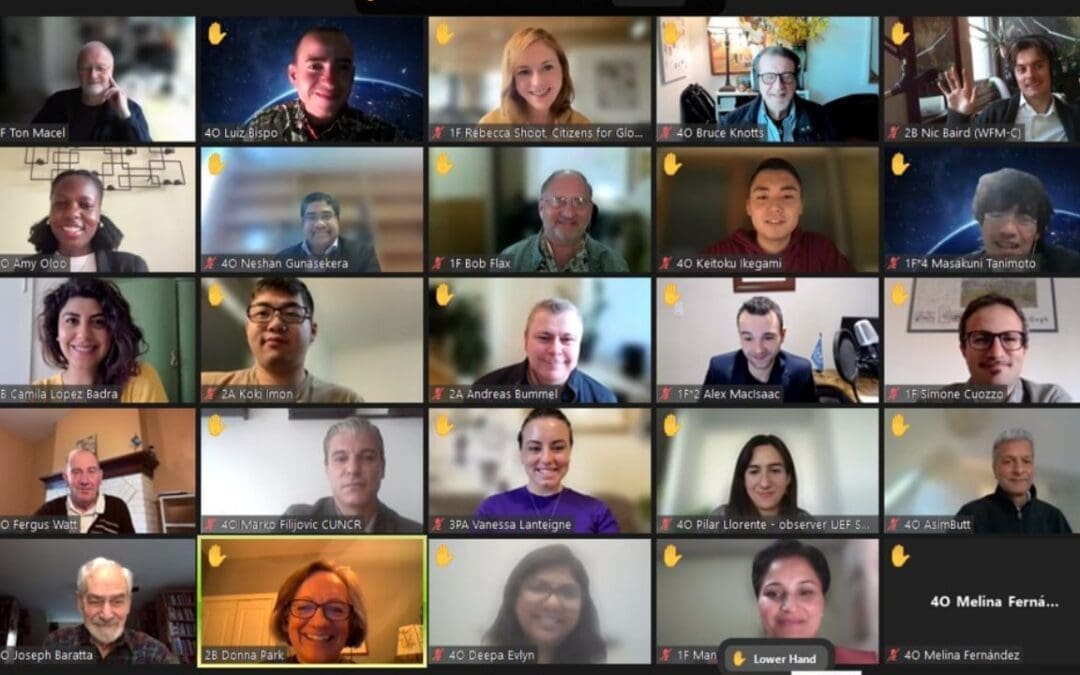
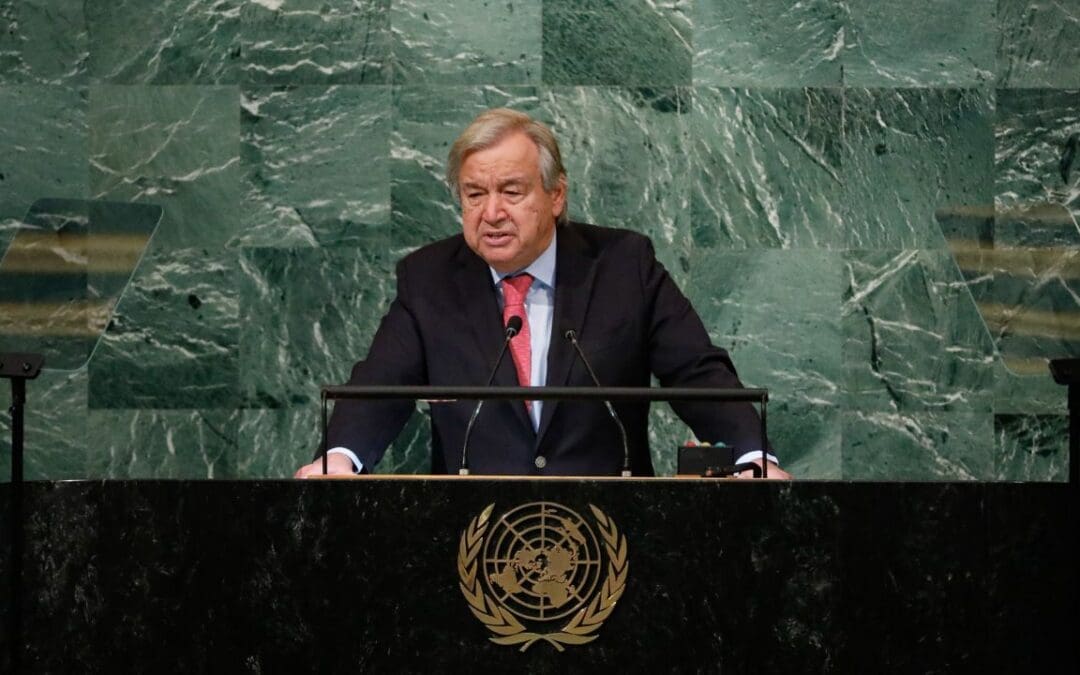
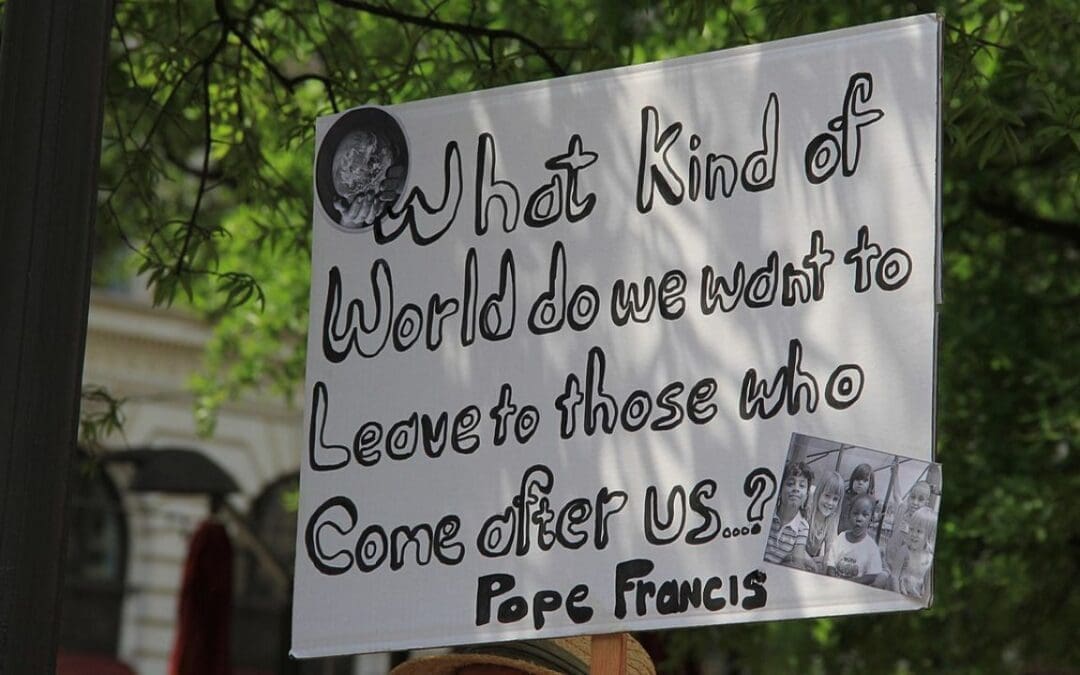

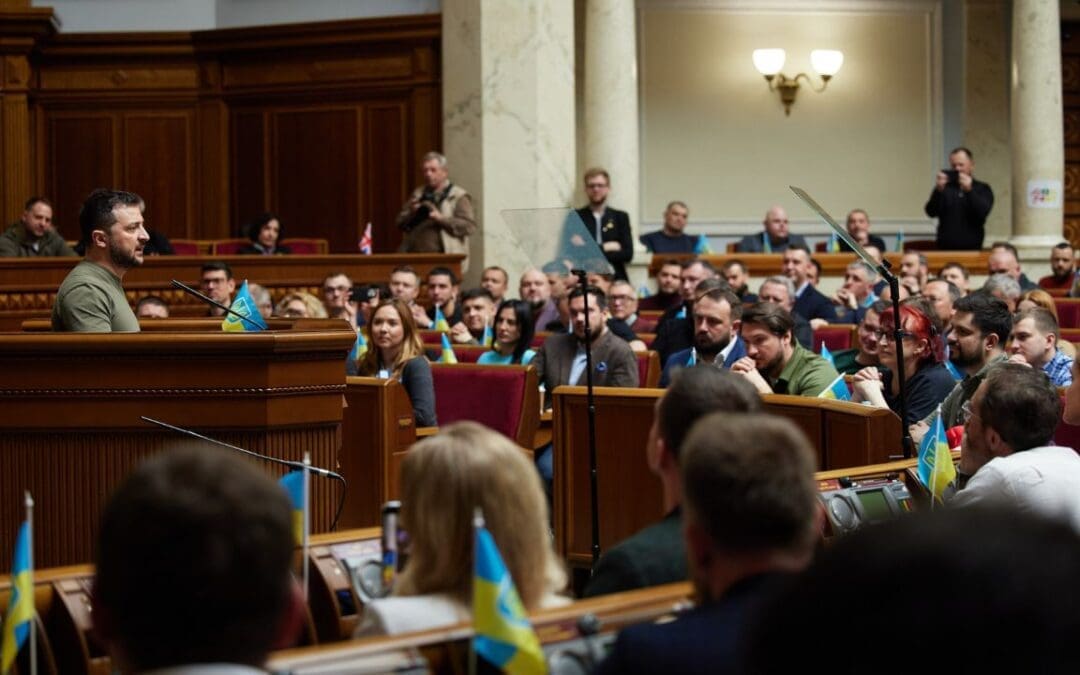
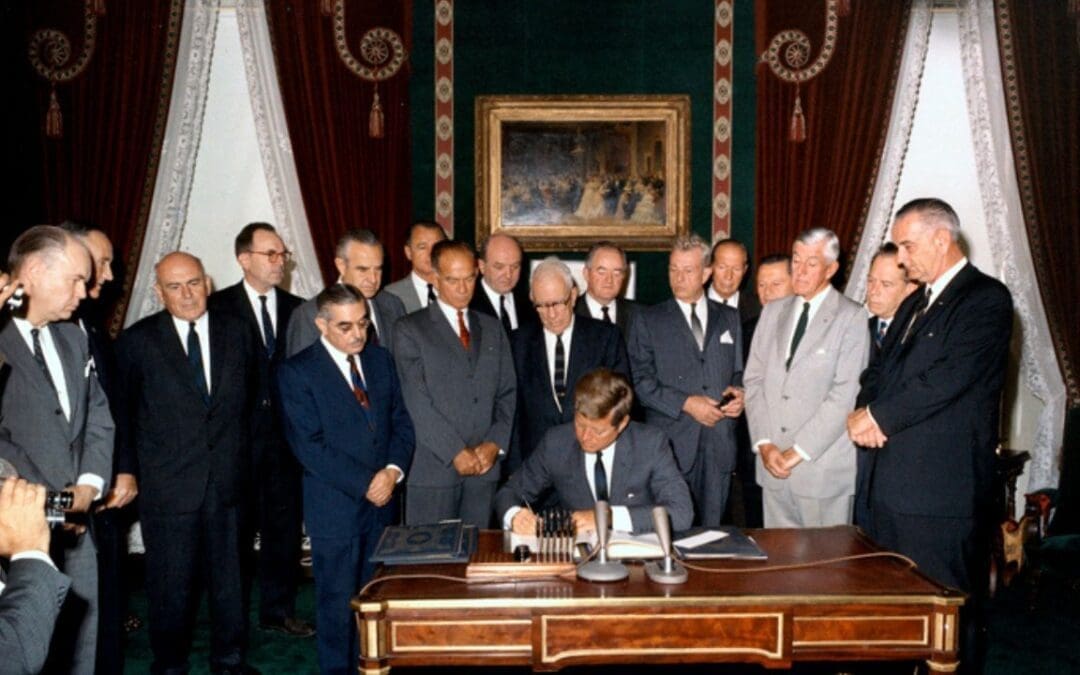
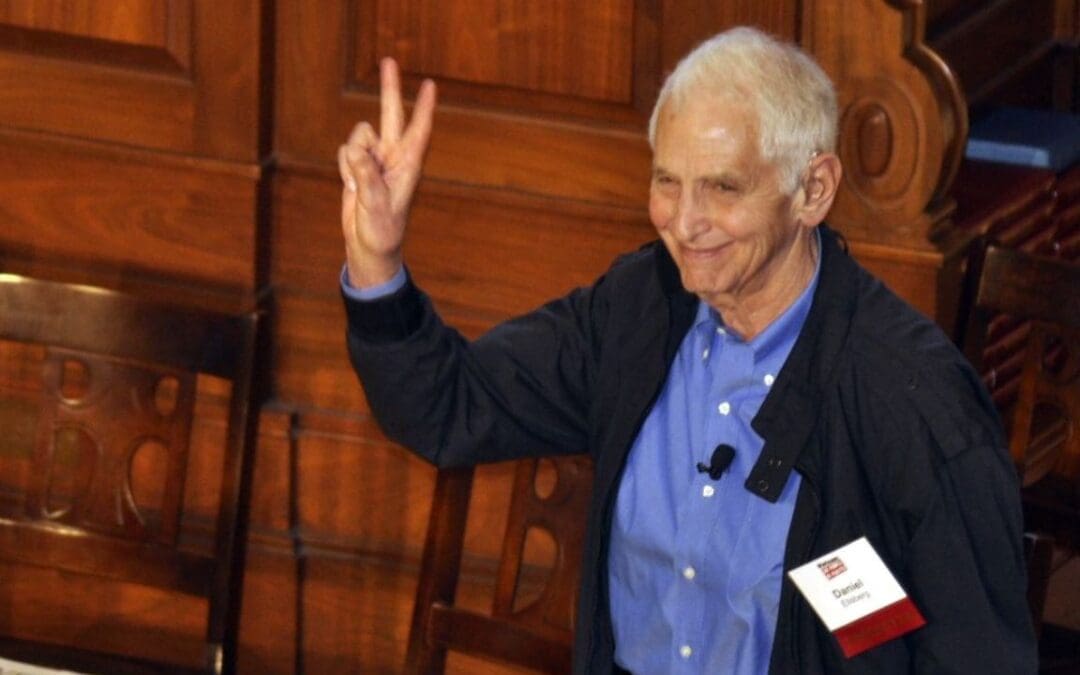
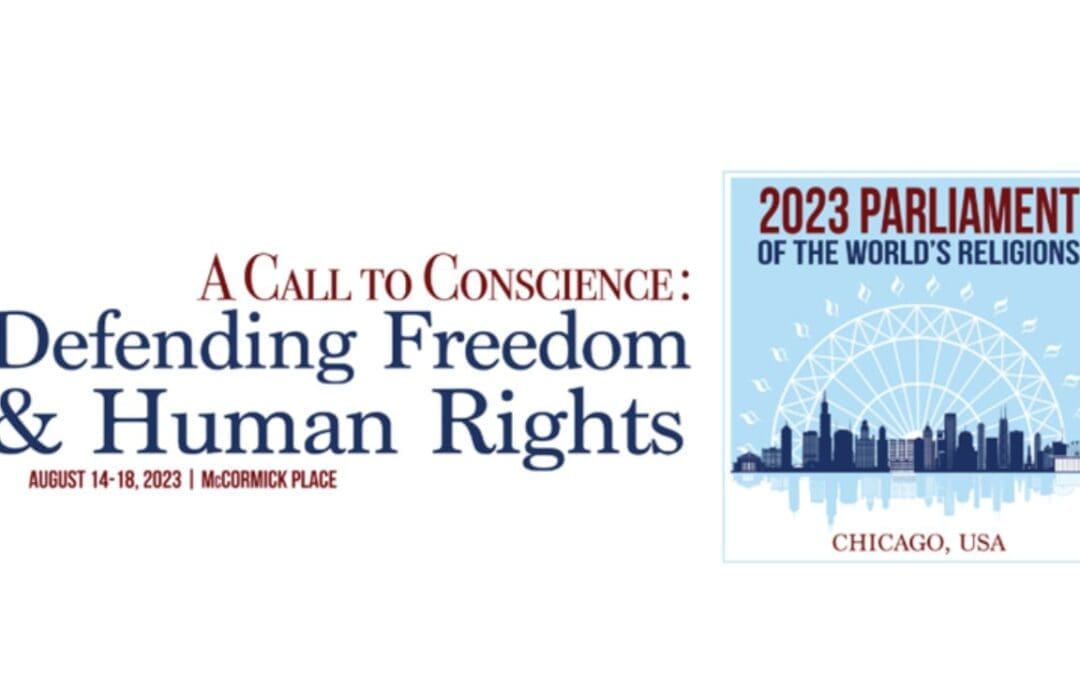
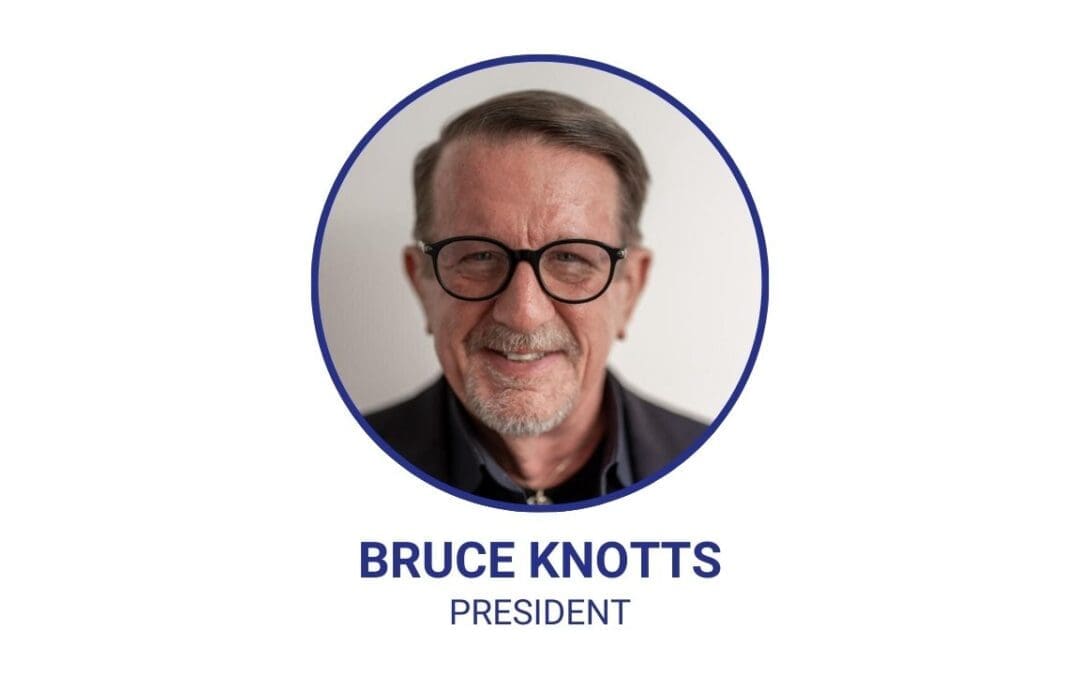
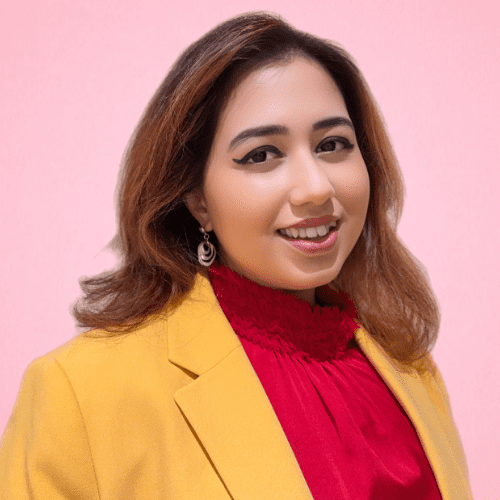
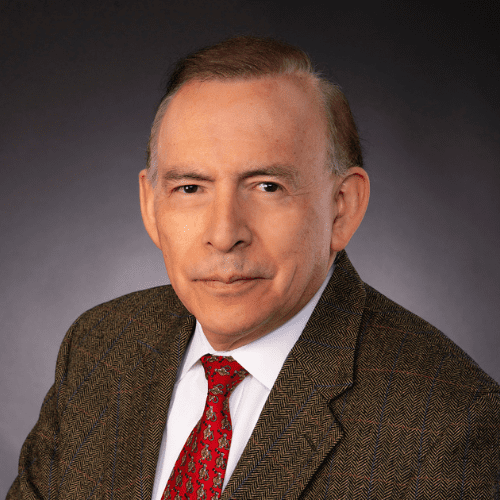

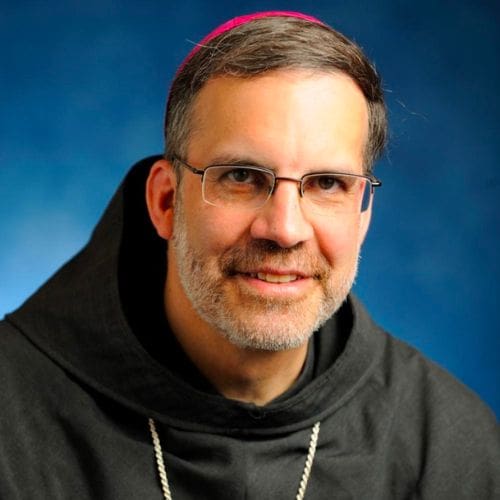
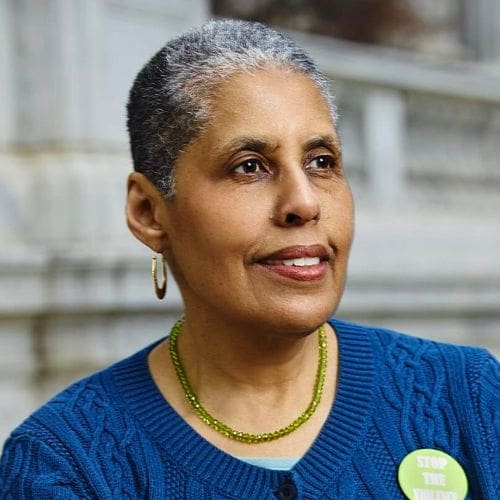
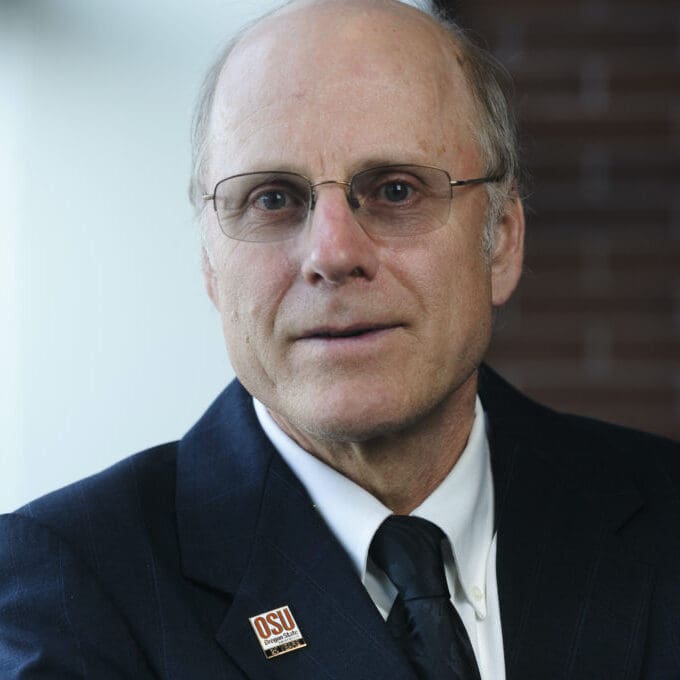
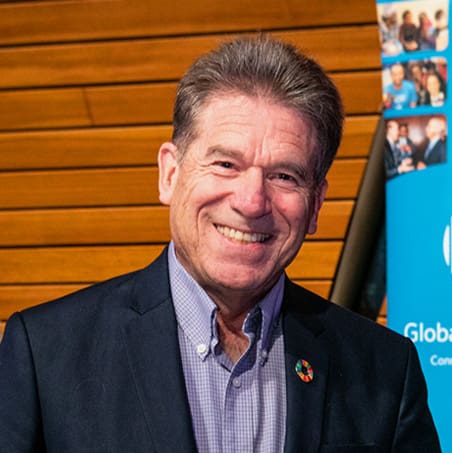
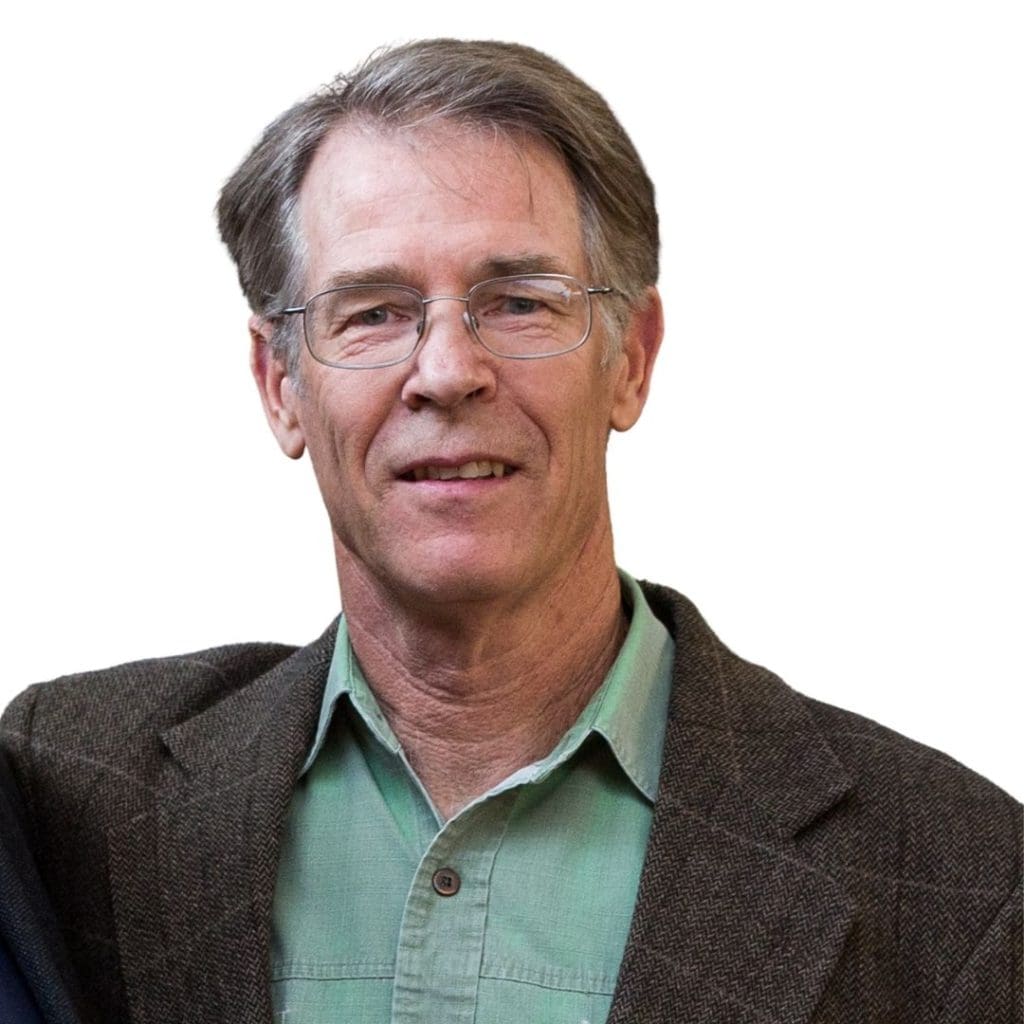
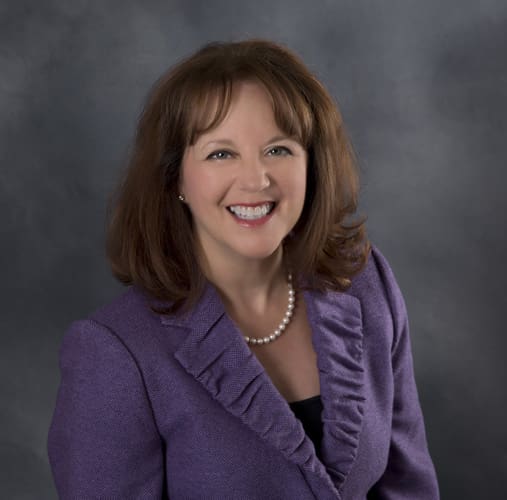
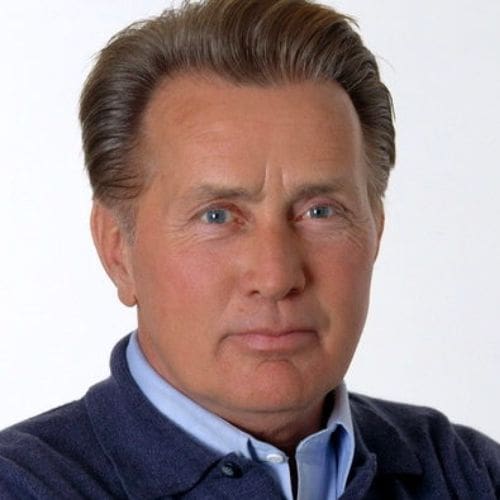
_(52372450639).jpg)

.jpg)
