
Originally published on the CGS blog on October 30, 2013.
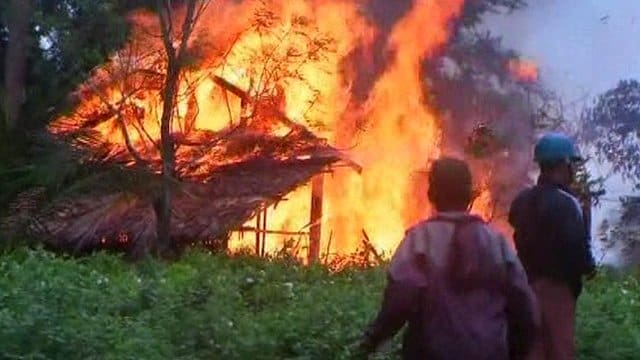
The dire situation in the Burmese state of Rakhine has been given wider attention in the international community and UN thanks to the work of UN Special Rapporteur Tomas Quintana and U.S. Ambassador Samantha Powers. Both have called for the international community to engage with Burma to stop the ethnic and religious violence against Muslims in the Burmese state of Rakhine (on the country’s west coast) and to help the country democratize.
An important step in the path to democracy would be for Burma to admit mishandling the Rakhine situation and to stop the violence in any way possible. One of the main reasons for the violence in Rakhine is a lack of economic opportunities, a factor that could be exacerbated by diplomatic or economic sanctions. The Burmese government also needs to stop the institutional discrimination against Rohingya, many of whom were forcibly displaced and live in terrible conditions in government refugee camps.
Burma cannot become a true democracy if it continues to allow such ethnic cleansing or violence. If the country democratizes short of addressing these issues, it will be a democracy on an unstable and bloody foundation. In encouraging Burma to finally embrace democracy, the international community must not tolerate continued human rights violations. The legitimacy of a democracy depends on its ability to represent and protect ALL peoples living within its borders, be they in the minority or majority, and where all groups are represented and all grievances able to be addressed.


